Best of Johannesburg
Johannesburg’s hidden history: Lesser-known sites worth exploring in 2026
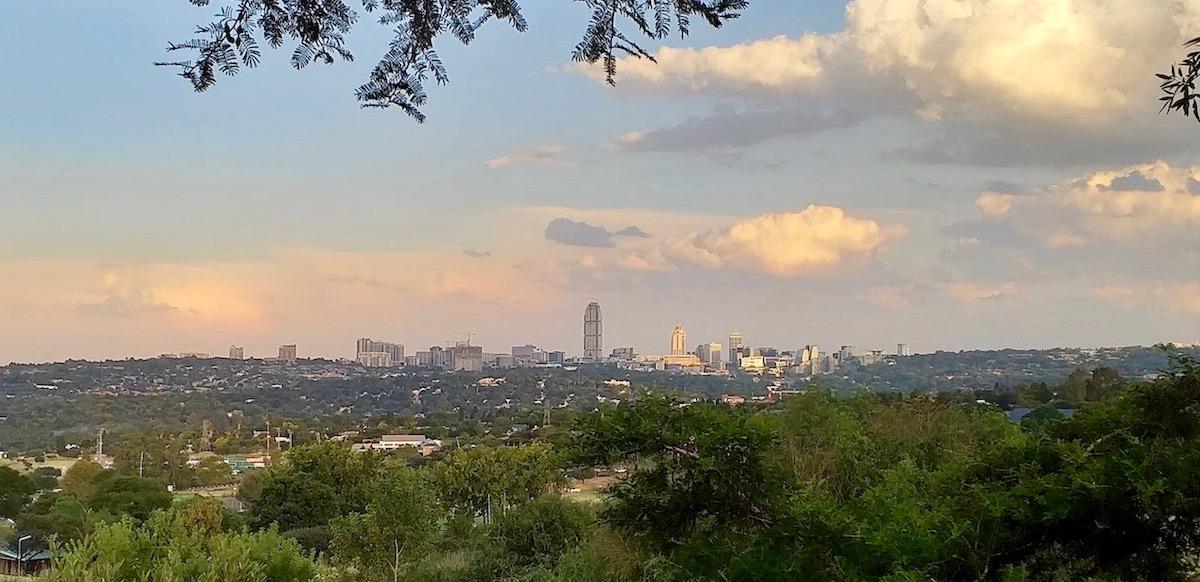
Johannesburg is turning 140 in 2026, and if you have lived here long enough, you know the city loves to reinvent itself. Glass towers rise where old buildings once stood, and new hotspots replace yesterday’s favourites. But just beneath that constant change sits something quieter and often overlooked.
Beyond the Apartheid Museum and Constitution Hill, there is another Johannesburg. One made up of farmhouses, forgotten tunnels, eccentric mansions, and streets that still carry the echoes of the gold rush.
If you slow down and look a little closer, the city begins to feel less like a fast-paced urban sprawl and more like a layered story waiting to be read.
Where Johannesburg really began
Long before Joburg became Africa’s economic powerhouse, it was farmland and scattered settlements. You can still see traces of that early life in places like the Bezuidenhout Farmhouse in Bezuidenhout Valley, a reminder of the city’s humble beginnings before gold changed everything.
Even more surprising is Hy Many House in Randpark Ridge. Believed to date back to the 1860s, it is often considered one of the oldest surviving brick structures in the city. Standing there today, it feels almost out of place, like a piece of history that refused to move on with the rest of Johannesburg.
Then there are the markers that quietly map out the birth of the city. The Randjeslaagte Beacon in Houghton, for example, marks one of the original boundaries of Johannesburg in 1886. It is not flashy, but it tells a foundational story.
Also read: This week in Johannesburg: The best of Sandton, Rosebank, and Soweto
The gold beneath your feet
Johannesburg exists because of gold, and some of that history still lies underground.
The old gold mine tunnels, including the preserved Ferreira Mine Stope in the CBD, offer a rare glimpse into the dangerous, chaotic beginnings of the city. These spaces are not always accessible, but when they are included in guided tours, they give a powerful sense of how Johannesburg was built, quite literally, from the ground up.
It is the kind of history you cannot fully grasp from a textbook. You feel it in the narrow spaces and the depth below the surface.
Mansions, eccentric lives, and a different kind of luxury
Johannesburg’s early wealth created a very different side of the city. One that still lingers in Parktown and the surrounding suburbs.
Northwards House, designed by Herbert Baker in 1904, is a standout. Once home to socialite Josie Dale Lace, it is famous for its grand ballroom and the unusual story of zebra-drawn carriages. It captures a time when Johannesburg’s elite lived with a kind of flamboyance that feels almost surreal today.
Nearby, The View, built in 1897 for Sir Thomas Cullinan, is another piece of that world. Its preserved interiors and hand-painted details speak to a period when wealth from diamonds and gold shaped entire neighbourhoods.
And then there is the Lindfield Victorian House Museum in Auckland Park. A living museum where tours are often led in period dress, offering a rare, intimate look at domestic life in early 20th-century Johannesburg.
Stories of struggle, resistance, and identity
Not all of Johannesburg’s history is about wealth. Some of its most important stories are rooted in resistance and survival.
Liliesleaf Farm in Rivonia stands as one of the most significant sites in South Africa’s liberation history. Once a secret meeting place for anti-apartheid leaders, it now serves as a powerful museum that tells the story of the struggle in deeply personal ways.
In Newtown, the Workers’ Museum brings another side of that story to life. Set in old municipal workers’ barracks, it reflects the harsh realities faced by migrant labourers who built the city under difficult conditions.
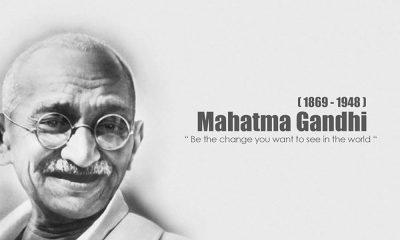
Then there is Gandhi Square in the city centre, where Mahatma Gandhi began shaping his legal career in South Africa. Not far away, Satyagraha House offers a more personal look at his time in Johannesburg and the philosophy of non-violence that would later influence the world.
Niche museums that tell big stories
Some of Johannesburg’s most fascinating spaces are also its most unexpected.
The Adler Museum of Medicine at Wits University houses tens of thousands of artefacts, documenting the evolution of health sciences in South Africa. It is the kind of place you do not think to visit, but once inside, you realise how much of our present is tied to these early developments.
The James Hall Museum of Transport in the southern suburbs is another quiet giant. As the largest transport museum in the country, it traces how people and goods moved through Johannesburg, from horse-drawn carriages to early motor vehicles and trams.
Even Kwa Mai Mai, often seen as a busy traditional market, holds deep historical roots. Known as a place of healing, it reflects African spiritual practices that have existed alongside the city’s rapid urban growth for decades.
The views that shaped the city
Some history is best understood from above.
Munro Drive in Houghton offers one of the most iconic viewpoints in Johannesburg. It is not just about the skyline. It is about seeing how the city spread, how suburbs formed, and how geography influenced everything from wealth distribution to infrastructure.
Similarly, Observatory Ridge, often considered the highest point in Johannesburg, gives insight into early surveying and the natural landscape that shaped the city’s expansion.
Why these places matter now
As Johannesburg celebrates 140 years in 2026, there is a growing conversation online about rediscovering the city beyond its usual attractions. Social media has played a big role, with more people sharing visits to these quieter, lesser-known spots.
There is something appealing about stepping away from the obvious and finding stories that feel more personal, more grounded.
These places remind you that Johannesburg was not built overnight. It was shaped by farmers, miners, migrants, activists, and dreamers. Each site holds a fragment of that story.
And maybe that is the real appeal. In a city that moves so fast, these hidden spaces invite you to pause, look back, and understand where it all began.
Also read: Johannesburg after dark: The best night photography spots for 2026
Follow Joburg ETC on Facebook, Twitter, TikT
For more News in Johannesburg, visit joburgetc.com
Featured Image: The Heritage Portal