Best of Johannesburg
The Essential Medical Tests South African Women Should Book Before 50
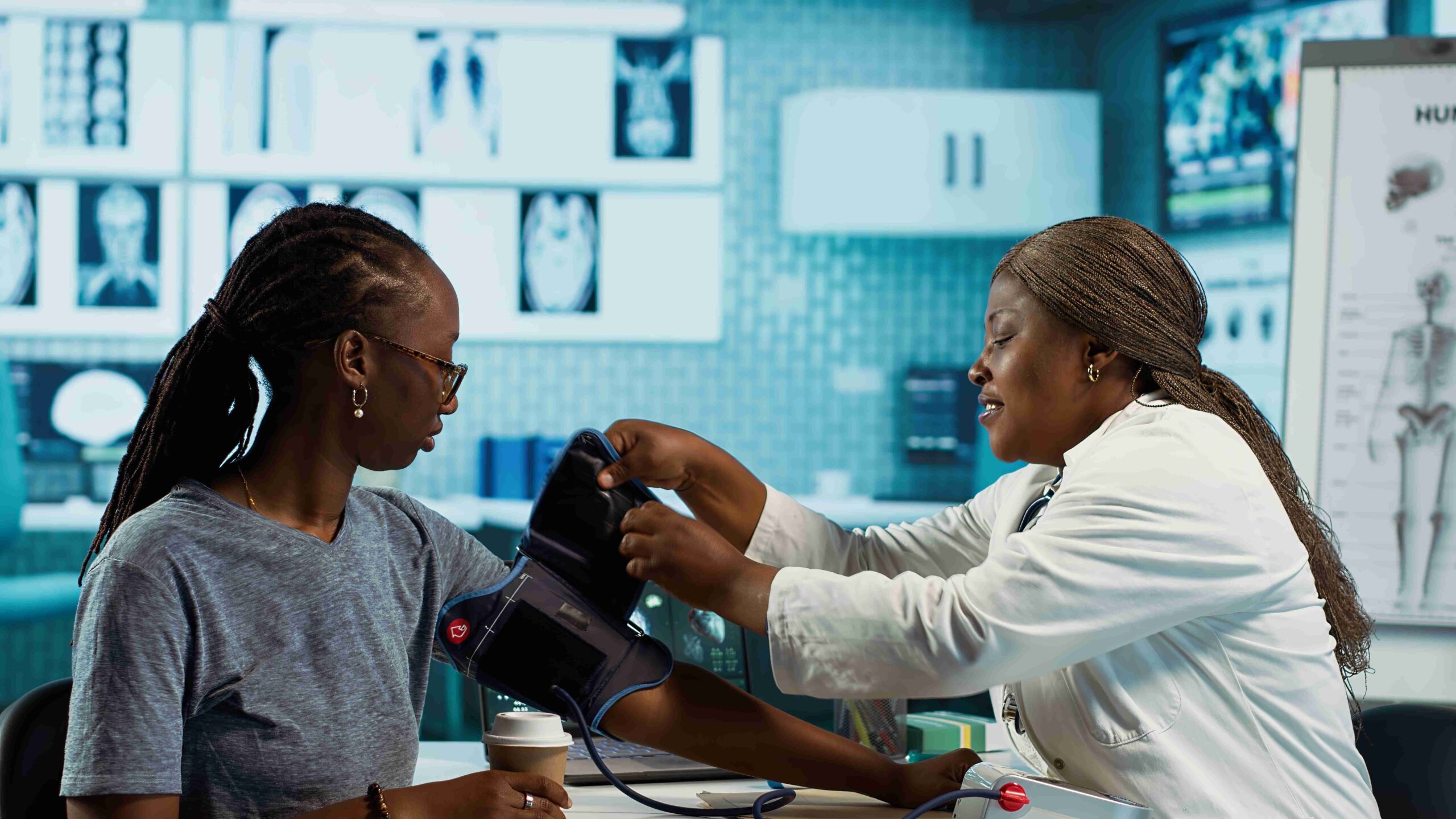
In Johannesburg, conversations around women’s health are shifting. More women are talking openly about preventative care, early detection, and taking control of their health long before something feels wrong. Clinics report a steady rise in routine screenings, especially among younger women who grew up hearing about cervical cancer, HIV, and lifestyle-related illnesses close to home.
By 2025, the message from doctors across South Africa is clear. Your age matters, but your personal risk factors matter even more. Still, there are baseline tests every woman should be booking at different life stages. Think of it less as a checklist and more as a way of future-proofing your body.
Your 20s: Building a health baseline that lasts
Your twenties often feel invincible. Long workdays, late nights, and skipping the doctor unless something hurts are part of the rhythm. This is also the decade where quiet health patterns start forming.
An annual general check-up is the foundation. Blood pressure, weight, and BMI readings create a baseline that doctors can track over time. Cervical cancer screening should begin at age 21 or when you become sexually active, with a Pap smear every three years if results are normal. In South Africa, this screening remains one of the most important tools in reducing cervical cancer deaths.
Sexual health screening matters too. Annual HIV testing is still strongly recommended for sexually active adults, alongside STI tests where relevant. Cholesterol testing in your twenties helps flag early heart risk, especially if there is a family history. Many doctors also encourage regular skin checks because our high UV exposure makes skin cancer far more common than people realise.
If you missed the HPV vaccine at school, your twenties are still a good time to complete it. It remains one of the most effective ways to prevent cervical cancer later in life.
Your 30s: When prevention becomes personal
By your thirties, health becomes less abstract. Hormones shift, stress levels rise, and many women juggle careers, families, or both. This is when personalised screening really starts to matter.
Pap smears continue every three years, but from age 30, many women can move to combined HPV and Pap testing, which allows longer gaps between screenings if results are clear. Monthly breast self-checks and an annual clinical breast exam should become routine.
Doctors often start blood sugar screening around age 35, particularly for women with risk factors like PCOS, previous gestational diabetes, or weight gain linked to desk-bound work. Thyroid tests are also commonly introduced in this decade, especially if fatigue, mood changes, or unexplained weight shifts appear.
Mental health screening is increasingly part of annual check-ups. Anxiety and burnout are common topics on Joburg social media feeds, and clinicians are paying closer attention to emotional well-being alongside physical health.
Your 40s: Proactive care takes centre stage
Your forties are about staying ahead rather than catching up. Breast cancer screening becomes a priority, with mammograms usually starting from age 40. Some women begin earlier, depending on family history.
Colorectal cancer screening enters the conversation around age 45. This can involve stool-based tests or a colonoscopy, depending on your doctor’s advice. Blood pressure, cholesterol, and glucose tests often become more frequent as cardiovascular risk rises with age.
Bone health also moves onto the radar. While bone density scans are traditionally done later, women approaching menopause with risk factors like smoking or low body weight are now encouraged to discuss earlier screening. Regular eye exams are advised, too, as conditions like glaucoma become more common.
Why this matters in Joburg
Johannesburg’s health landscape is unique. We live fast, work hard, and often delay care until something forces us to slow down. Public health campaigns and community clinics have helped normalise screening, but many women still only book appointments once symptoms show.
Social media has played a role in changing that. Women openly share their screening experiences, demystifying Pap smears, mammograms, and mental health check-ins. The result is a growing culture of prevention rather than panic.
Booking smarter in 2025
Most women can access screenings through private doctors or public health services, depending on their situation. Nonprofit organizations continue to play a crucial role in offering accessible cervical and breast cancer screening nationwide. The key takeaway from the 2025 guidelines is simple. Start earlier, personalise your care, and keep showing up even when you feel fine.
Your future self will thank you.
Also read: A Loved One Is Missing? Exactly What to Do in South Africa Right Now
Follow Joburg ETC on Facebook, Twitter, TikT
For more News in Johannesburg, visit joburgetc.com
Featured Image: Affinity Health