Best of Johannesburg
Hot Water, Half the Cost: Why Heat Pumps Are Taking Over SA Homes in 2025
The Hot Water Bill That Keeps Burning
Remember when the biggest household electricity guzzler was the lights, the TV, or the stove? These days, water heating eats up a very large share of a typical South African home’s electricity usage. Rising tariffs, frequent power cuts, and soaring Eskom bills have made traditional electric geysers more of a financial burden than a convenience.
Faced with steep costs and constant uncertainty, many households are now asking where the smarter alternative is.
Heat Pumps. The Clever Way to Get Hot Water
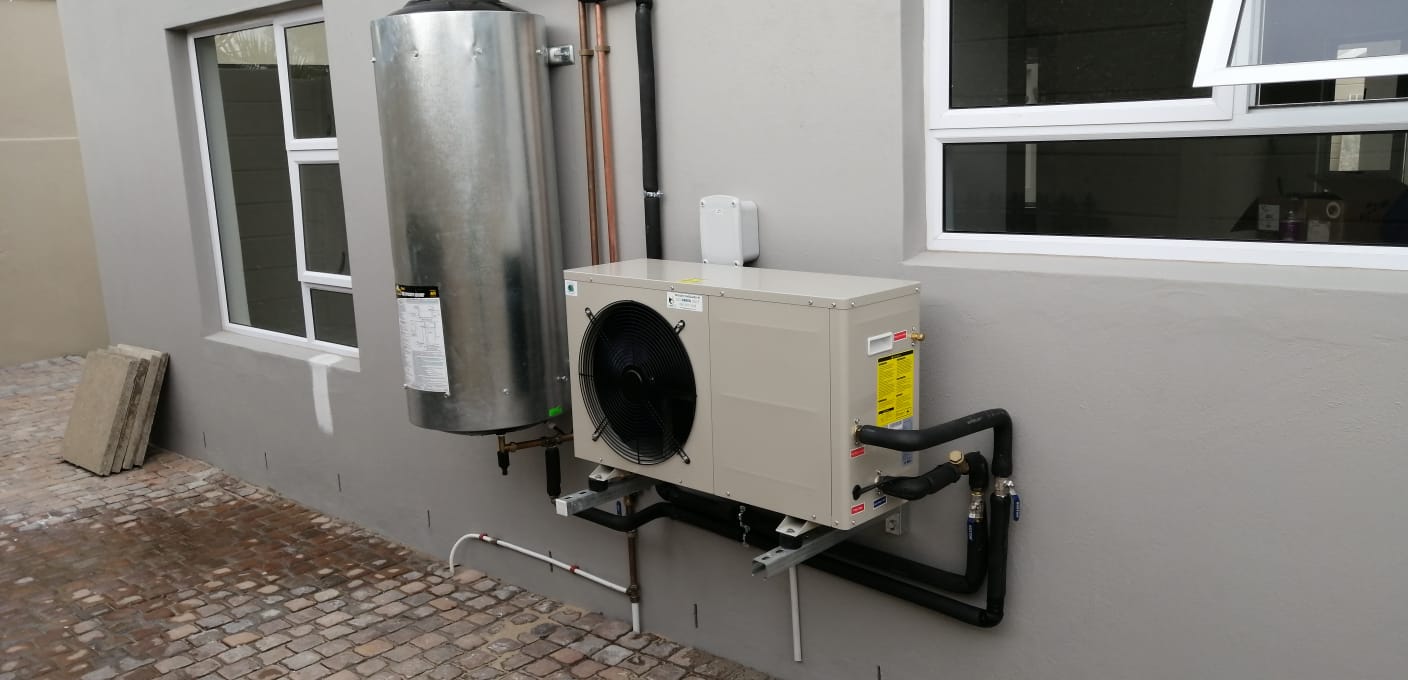
Heat pumps do something simple but clever. Instead of heating water by resistance like standard geysers do, they draw heat from the outside air and transfer it into the water. Think of it as a reverse air conditioner system. Efficient, cleaner, and far less demanding on the grid.
Because a heat pump uses much less electricity per litre of hot water, your savings can be significant. In many cases, households are seeing a reduction of about 60 to 70 percent in the electricity used for hot water.
That means your water heating bill could drop by hundreds of rand per month. Over a year, that is thousands of rand staying in your pocket.
Payback in Just a Few Years
Yes, a proper heat pump installation costs more upfront compared to a standard geyser. But with the kind of energy savings you get, most households recoup that investment within two to four years. From then on, it is essentially affordable hot water with minimal energy usage.
What is more, modern systems can run on relatively low wattage. Often, only a few hundred watts. That makes them particularly compatible with home backup solutions such as solar panels and inverters.
When load shedding hits, many heat pump homes still enjoy a stable supply of hot water. A welcome comfort when every basic need becomes a mission.
Anytime, Anywhere Hot Water
Unlike solar geysers that rely on direct sunlight and struggle when the winter clouds roll in, heat pumps get their heat from the surrounding air. That means they work regardless of weather, time of day, or season.
Even in Joburg winters when temperatures dip, modern units maintain reliable performance. Perfect for the Highveld and beyond.
Saving Money and Helping the Planet
Lower electricity use does more than help your wallet breathe. South Africa’s grid is still heavily coal-powered. By cutting household demand, heat pumps help ease pressure on national infrastructure and reduce carbon emissions.
Right now, energy security and climate awareness are part of everyday conversation. Making this switch is not just practical. It is part of a bigger shift toward more sustainable living in our homes.
Local building standards introduced for 2025 are also encouraging greener features, such as energy-efficient water heating. For anyone building or renovating, a heat pump is not only smart. It is increasingly the sensible choice.
Real-World Results. Cooler Bills, Consistent Hot Water
Recent installations of integrated heat pump systems have shown drastic savings on water heating bills. Even during power cuts. Some homes are running these systems successfully on lower wattage setups while still enjoying reliable hot water around the clock.
If you add a solar PV setup or a home inverter, the hot water keeps flowing even when the lights go off. No flipping switches. No cold showers. No surprise electrical surges.
What You Should Know Before You Switch
If you are considering a heat pump, keep these tips in mind.
• Proper installation matters. Always go with qualified installers to ensure safety and performance.
• Retrofitting can save money. Many heat pumps can connect to your existing geyser tank.
• Maintenance is simple but necessary. Keep an eye on filters and general airflow around the unit.
• Choose the right size. For example, a family of four may need around a 200- to 260-litre system. Larger households may need more.
A Smarter Future for Joburg and Beyond
In a city like Joburg, where power cuts and rising tariffs have become normal, switching to a heat pump is more than a home upgrade. It is a way to make everyday life a little easier.
It means warm morning showers even in Stage 6. Less strain on your pocket. And less strain on the country’s already challenged grid.
As more South Africans make the switch, heat pumps may well become one of the most important contributors to a more stable and sustainable energy future.
If you have been sitting on the fence about replacing your geyser, this might be your sign. Your comfort, your finances, and the planet will thank you for it.
Also read: South Africa Is Still Spending Millions on Digital Projects That Never Deliver
Follow Joburg ETC on Facebook, Twitter, TikT
For more News in Johannesburg, visit joburgetc.com
Featured Image: Go Green Guys