Business
Andre de Ruyter is back in South Africa and betting on renewable energy
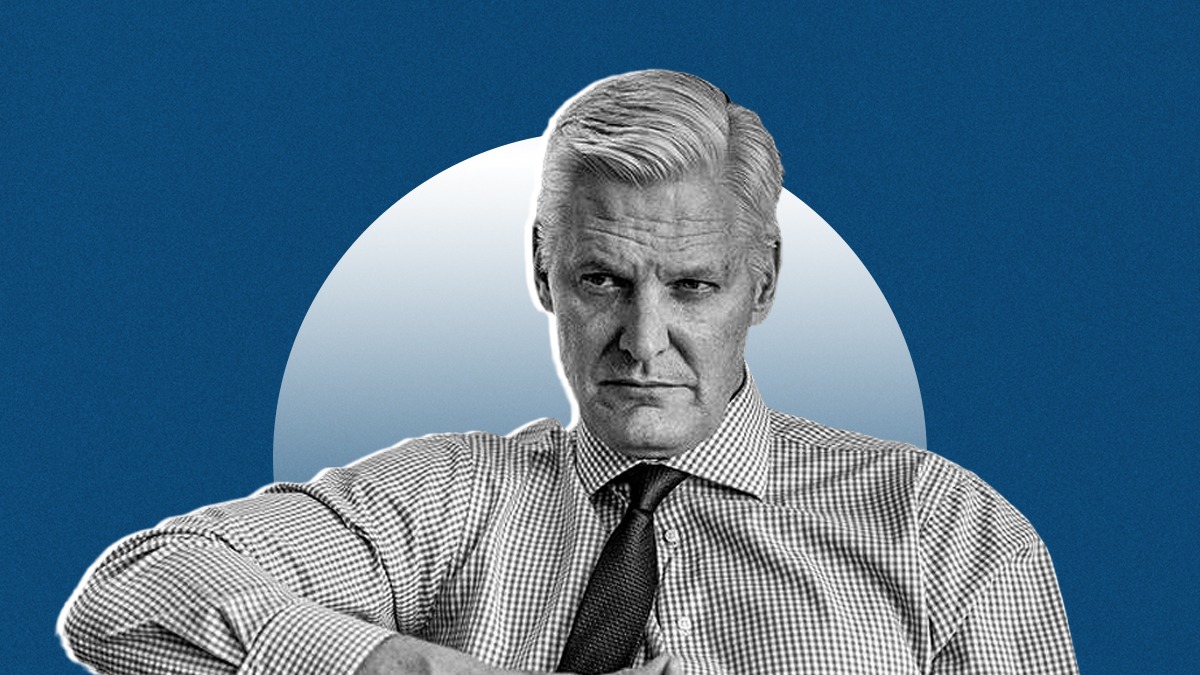
Andre de Ruyter is back in South Africa, but not with the fanfare or controversy that once followed his every move. Instead, the former Eskom CEO has slipped back into the country with a quieter purpose, working behind the scenes as a consultant in the renewable energy sector while continuing part-time academic work abroad.
For many South Africans, de Ruyter remains a deeply divisive figure. His tenure at Eskom ended amid explosive revelations, political tension, and genuine fears for his safety. Now, after time away, his return feels less like a comeback and more like a recalibration.
A return shaped by exhaustion and reflection
De Ruyter resigned from Eskom in December 2022 and formally exited in 2023 after an interview that laid bare the scale of corruption inside the utility. That moment turned him into a lightning rod. Parliamentary hearings followed, as did a book that detailed dysfunction at the heart of South Africa’s power crisis.
After months of intense scrutiny, he stepped away from public life. His next chapter unfolded far from home at Yale University’s Jackson School of Global Affairs, where he served as a senior fellow during the 2023 to 2024 academic year. Later, he also spent time teaching and engaging with academics at Oxford University.
In a late 2025 interview, de Ruyter described his time in the United States as a decompression period. He spoke warmly about Yale, calling it an intellectually rich environment that gave him space to learn, reflect, and recover from the pressure of leading Eskom during one of its darkest periods.
Why South Africa still feels like home
Despite having lived and worked in five countries, de Ruyter says the decision to return was driven by timing and belonging. His Yale contract had come to an end, but more importantly, South Africa remained the place where he and his family felt rooted.
His comments struck a chord with many South Africans who understand the tension between frustration and attachment. Even as the country battles rolling power cuts, governance failures, and economic strain, de Ruyter maintains that it is still the best place for him to live. It is a sentiment that resonates deeply in a nation where leaving often feels easier than staying.
Working on energy without Eskom or politics
Since returning, de Ruyter has been consulting for renewable energy companies, keeping his expertise within the energy sector but firmly outside government and Eskom. He has been clear that renewable technologies will be central to securing South Africa’s electricity future.
His path mirrors that of former Eskom COO Jan Oberholzer, who also moved into renewable energy consulting after leaving the utility and later became chair of Mulilo Energy. The shift reflects a broader trend of former Eskom executives finding influence in the private energy space, where progress often moves faster than in state structures.
De Ruyter now describes himself as an itinerant scholar who consults selectively and prefers to stay out of the public spotlight.
Still outspoken about South Africa’s future
Although he is keeping a lower profile, de Ruyter has not softened his views on South Africa’s direction. At the BizNews Investment Conference in September, he warned that the country’s potential will only be realised if confidence is restored and corruption is tackled decisively.
He has argued that economic growth must take priority, urging bold leadership, fiscal discipline, and a smaller cabinet. He has also called for changes to empowerment policy, suggesting a system that supports the poorest South Africans rather than politically connected elites.
His message remains blunt. Without delivery on promises, investor confidence will continue to erode, and South Africa risks deeper economic trouble.
For now, Andre de Ruyter’s return is less about redemption and more about contribution. Away from boardrooms and briefing rooms, he is choosing influence over visibility and energy solutions over endless debate.
Also read: Ramaphosa approves R100,000 salary increases for South Africa’s ministers
Follow Joburg ETC on Facebook, Twitter, TikT
For more News in Johannesburg, visit joburgetc.com
Source: Business Tech
Featured Image: Daily Investor