Business
BEE at a turning point as R100bn Transformation Fund signals major shift
For years, Black Economic Empowerment has shaped the way South African companies do business. From boardroom ownership structures to supplier development programmes, BEE has influenced contracts, partnerships, and access to government work.
Now, following the latest policy announcements and economic commentary, many are asking a bold question: Are we witnessing the beginning of the end of BEE as we know it?
Not the end of transformation itself. But perhaps the end of how it has traditionally been implemented.
A policy under review
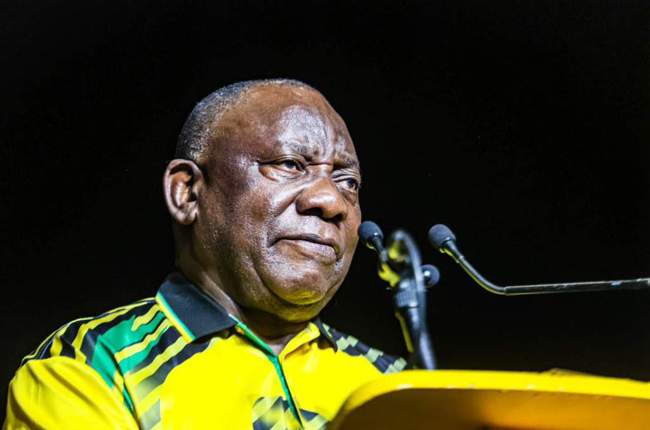
During the recent State of the Nation Address, President Cyril Ramaphosa confirmed that the government is reviewing the country’s broad-based BEE framework. The goal, he said, is to refine and strengthen it so that it better supports inclusive growth and meaningful transformation.
That announcement was followed by significant proposals from Parks Tau, Minister of Trade, Industry and Competition. At the start of February 2026, Tau outlined draft changes to the BEE Codes of Good Practice, focusing heavily on the creation of a new Transformation Fund.
This is where things get interesting.
The R100 billion Transformation Fund
The proposed Transformation Fund is expected to mobilise R100 billion. Instead of companies identifying and funding their own enterprise and supplier development beneficiaries, they would be able to contribute to a centralised fund.
In return, they would earn BEE scorecard points.
Under the current system, businesses must spend 3 percent of their net profit after tax on enterprise and supplier development initiatives. That requirement remains unchanged. What changes is how companies can fulfil it.
Rather than navigating complex beneficiary selection, partnerships, and compliance verification, businesses could contribute to the central fund. The fund would then invest in and finance small- and medium-sized Black-controlled enterprises in line with transformation objectives.
The proposal also increases the number of points available under the Enterprise and Supplier Development element from 46 to 53, including bonus points, for companies that contribute to the fund. Preferential procurement measurement would also shift, with contributions to the fund potentially earning more points than other activities.
For many in the corporate sector, this signals a more streamlined path to compliance.
Economic criticism gains ground
Economist Dawie Roodt has described these developments as the beginning of the end for BEE in its current form. Speaking after SONA, he argued that the review signals an implicit admission that the existing framework has not delivered the level of economic transformation intended.
Critics have long argued that BEE has increased compliance burdens, deterred investment, and contributed to sluggish economic growth. South Africa’s persistently high unemployment rate has often been part of that debate.
Supporters, on the other hand, maintain that structural inequality rooted in apartheid requires deliberate policy intervention and that transformation cannot simply be left to market forces.
What is different now is that the government appears willing to significantly alter how transformation is implemented.
A shift in philosophy?
The creation of a centralised fund suggests a move away from fragmented, company-by-company compliance toward pooled capital and coordinated investment.
For businesses, this could reduce administrative strain and create more certainty. For the government, it may allow for more strategic deployment of capital into Black-owned enterprises that meet national development priorities.
On social media and in business circles, reaction has been mixed. Some see the fund as a pragmatic evolution that could improve efficiency and investor confidence. Others are cautious, questioning how the fund will be governed, how beneficiaries will be selected, and how impact will be measured.
Not the end of transformation
It is important to be clear. The transformation policy is not being scrapped. The 3 percent spending requirement remains. Broad-based empowerment remains official policy. The language from the government is about refining and strengthening, not abandoning.
But if the Transformation Fund becomes the dominant mechanism for compliance, the practical reality of BEE will look very different from the version South Africans have known for nearly two decades.
Whether this marks a policy reset or simply an administrative adjustment will depend on how the fund is implemented and whether it delivers measurable economic impact.
For now, one thing is certain. South Africa’s transformation framework is entering a new chapter, and both business and civil society will be watching closely.
Follow Joburg ETC on Facebook, Twitter, TikT
For more News in Johannesburg, visit joburgetc.com
Source: Daily Investor
Featured Image: News24