Business
Cheap cars in South Africa could soon cost R40,000 more
The decision that could price thousands out of the market
For years, affordable cars from India and China have quietly kept South Africa moving. They have filled taxi ranks, first-job parking bays, and suburban driveways with models that cost less than a decent second-hand SUV. Now, one policy decision sitting on a government desk could change all of that almost overnight.
The Department of Trade, Industry and Competition is reviewing new measures to limit vehicle imports, arguing that the flood of foreign-built cars is weakening local manufacturing. At the centre of the debate is a possible increase in import duties that would hit the cheapest cars the hardest.
If implemented, the proposal could add roughly R40,000 to the price of entry-level vehicles. That single jump would push many new cars out of reach for ordinary buyers.
What government is considering
The International Trade Administration Commission has confirmed that one option on the table is a shift in tariff structures. Commissioner Ayabonga Cawe told Parliament that aligning South Africa’s tariffs with World Trade Organisation rules for most favoured nations could mean a 50 percent import duty on fully built passenger vehicles.
At present, South Africa applies a 25 percent import duty to most cars. Petrol and diesel vehicles from Europe enjoy a lower 18 percent rate under an existing trade agreement. Doubling the duty for other regions would land hardest on imports from China and India, which dominate the affordable end of the market.
Why cheap cars matter more than ever
As of early 2026, 19 of the 20 most affordable passenger cars sold locally come from India or China. The only exception is the Kia Picanto from South Korea. Models like the Renault Kwid, Toyota Vitz and Suzuki S-Presso all sit just under the R180,000 mark, making them realistic options for first-time buyers and families upgrading from older vehicles.
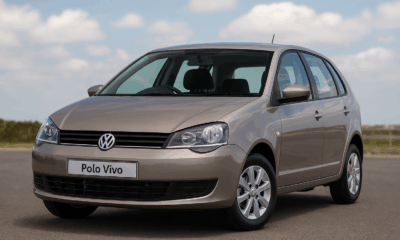
The cheapest locally built car, the Volkswagen Polo Vivo, now starts at R271,900. That places it far above the true budget segment and nearly R100,000 more than the most affordable imports.
This gap explains why imported brands have surged in popularity and why Suzuki overtook Volkswagen as South Africa’s top-selling passenger car brand in 2025.
How a 50 percent duty translates at the till
Import duties are not added to the final showroom price. They are applied to the vehicle’s price in its country of origin, excluding VAT. Even so, the knock-on effect is significant.
Using a conservative example of a car priced at R100,000 in India, the current tariff structure pushes its South African retail price to around R155,000. Under a 50 percent duty, that same car would land closer to R188,000, an increase of about 21 percent.
For cars already retailing just under R180,000, that percentage jump translates into roughly R40,000 more. Manufacturers are unlikely to absorb the cost, as profit margins on budget cars are already extremely thin.
Industry warnings and public reaction
The Motor Industry Staff Association has urged caution, warning that it is late in the game to introduce tariffs that threaten jobs supported by the sale of Chinese and Indian vehicles. According to the association, these brands injected competitiveness into the market and helped drive record new vehicle sales for three consecutive months at the end of 2025.
On social media, the reaction has been blunt. Buyers have questioned how first-time owners are expected to enter the market, while dealers warn that higher prices will push consumers back into risky second-hand purchases.
Is cheap imports really the problem?
Local manufacturing struggles are often blamed on low-cost imports, but the reality is more complicated. South African carmakers have faced rising costs driven by failing rail infrastructure, congested ports, and the need to invest heavily in solar power and backup energy to survive load shedding.
Electricity price hikes have also pushed up costs across the supply chain, from assembly plants to steel suppliers. These pressures have fed directly into vehicle pricing.
The Volkswagen Polo Vivo tells the story clearly. In 2010, it sold for R101,500. Adjusted purely for inflation, it should cost around R218,000 in 2026. Instead, it sits far higher, leaving room for imported rivals to dominate the affordable segment.
What this could mean for buyers
If the tariff change goes ahead, the impact will stretch beyond budget cars. Value-focused Chinese brands competing in the R300,000 to R500,000 range would also be hit, reducing competition and pushing prices upward across the board.
In a country where car ownership often determines access to work and opportunity, the stakes are high. A decision intended to protect local manufacturing could end up shrinking the market and locking thousands out of buying new altogether.
For now, the review continues. But for anyone planning to buy a cheap car in South Africa, the clock may already be ticking.
Follow Joburg ETC on Facebook, Twitter, TikT
For more News in Johannesburg, visit joburgetc.com
Source: MyBroadband
Featured Image: BusinessTech