Business
China and US Slash Tariffs in Major Trade War Ceasefire
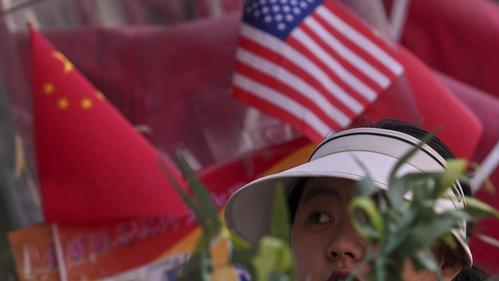
Global markets breathed a sigh of relief on Wednesday as the United States and China agreed to slash punitive tariffs on each other’s goods, signaling a 90-day truce in a years-long trade war that has disrupted international commerce and strained supply chains.
The deal was struck following pivotal negotiations in Geneva over the weekend, where trade envoys from both nations hammered out a temporary resolution aimed at resetting relations between the world’s two largest economies.
As part of the agreement, the United States will reduce its tariffs on Chinese imports to 30%, down from highs that reached as much as 245% on some goods. In turn, China will slash its retaliatory tariffs to 10%, rolling back measures that had spiked by over 100 percentage points.
Trump Hails “Very Strong” Blueprint
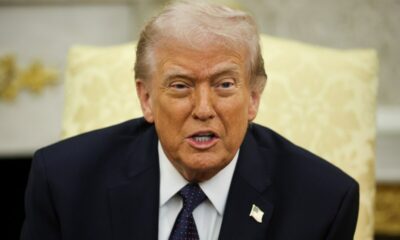
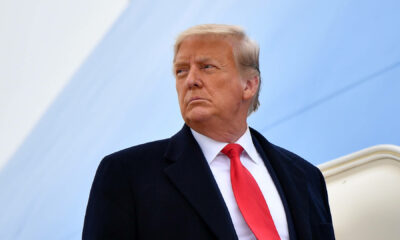
Speaking aboard Air Force One on his way to the Gulf, US President Donald Trump described the agreement as a “very, very strong” foundation for a broader trade deal. He emphasized the potential benefits for American businesses, saying the most exciting aspect of the deal was “the opening up of China to US business.”
Though details remain vague, Trump suggested that this agreement could be a turning point for bilateral economic ties—long strained by issues including market access, forced technology transfers, and drug-related export disputes.
Lingering Tensions
Despite the tariff rollback, serious tensions remain. One of the sticking points is the US’s additional 20% levy related to allegations that China is facilitating the export of chemicals used in fentanyl production. Beijing has denied the accusations and warned Washington to “stop smearing and shifting blame.”
Chinese President Xi Jinping used a concurrent summit with Latin American leaders to project a more stable, globalist image. “There are no winners in tariff wars,” Xi said, calling for fair trade practices.
Markets Rally—but Warnings Persist
News of the tariff reductions sent stock markets higher, reflecting investor optimism that the worst of the trade disruption may be over—for now. However, analysts remain cautious.
“Further tariff reductions will be difficult, and the risk of renewed escalation persists,” said Yue Su, Principal Economist at the Economist Intelligence Unit.
China’s economy, already reeling from a prolonged property slump and weak consumer demand, stands to benefit from easing tensions. In the US, manufacturers reliant on Chinese inputs hope for some breathing room, even as the longer-term picture remains uncertain.
Next 90 Days Crucial
This temporary ceasefire gives both nations a window to negotiate a more permanent trade framework. But the clock is ticking. Without a lasting agreement, tariffs could be reimposed, reviving the volatility that has already cost billions in lost trade and investment.
As negotiations continue behind closed doors, businesses and consumers across the globe will be watching closely—hoping this truce marks the beginning of a more stable chapter in global trade.
{Source: IOL}
Follow Joburg ETC on Facebook, Twitter , TikTok and Instagram
For more News in Johannesburg, visit joburgetc.com