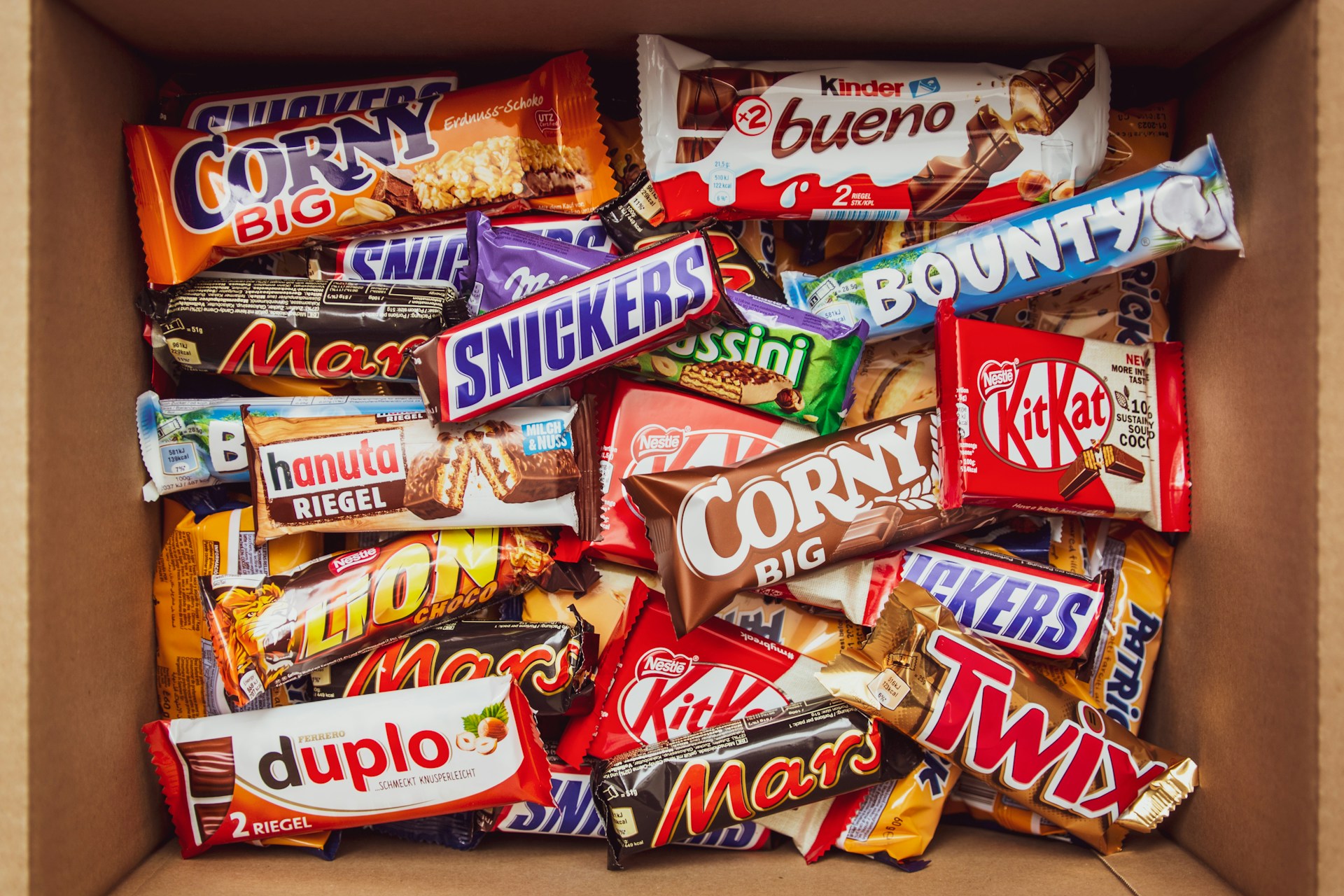
South Africans with a sweet tooth finally have a reason to smile. After two years of wild swings, global cocoa prices are cooling off, creating a rare moment of relief for both chocolate makers and the shoppers who carried the brunt of last year’s price hikes.
But while the numbers look better on paper, experts say the story behind the cocoa market is far from simple.
The Price Drop Everyone Has Been Waiting For
In late 2024, cocoa prices nearly hit an eye-watering 12,000 dollars per ton, sending shockwaves through the global chocolate industry. By December 2025, prices had fallen to around 5,000 dollars per ton. For an ingredient that underpins everything from Easter eggs to artisan slabs, a drop of more than 50 percent in a single year is enormous.
Economist Simon Lacoume of Coface says the correction was overdue.
“After two years of tension, the current correction is bringing cocoa prices back to more rational levels,” Lacoume explained. But he was quick to warn that the sector is still standing on shaky ground. Ageing plantations, limited investment, and the fact that most of the world’s cocoa comes from one region make the market extremely fragile.
Why Prices Fell So Quickly
The sudden cooldown is largely linked to improved harvest forecasts in Côte d’Ivoire, the world’s top cocoa producer. Speculative trading that drove last year’s spike has also settled down. But even after the dramatic drop, cocoa prices remain double the long-term average between 2012 and 2022.
In other words: chocolate may feel a little lighter on the wallet soon, but it won’t be returning to old prices just yet.
What This Means For South Africa’s Chocolate Aisle
Local manufacturers were hammered by input costs last year, forcing many to raise prices on even basic chocolate bars. With cocoa costs easing, the festive season could bring some relief. Retailers may have more room to offer promotions, and speciality chocolatiers might finally catch their breath.
Still, the outlook is not guaranteed. The supply chain remains vulnerable to the very shocks that caused the crisis in the first place. El Niño conditions and the swollen shoot virus devastated West African plantations last season. Those threats have eased, but not disappeared.
South African consumers, who felt the pinch in 2024 when prices spiked, responded strongly on social media to the cooling trend. Many joked about “finally buying chocolate without taking a deep breath first,” while others questioned whether retailers would pass the savings on. The general sentiment was hopeful but cautious, reflecting a public that has become all too familiar with price volatility.
Cocoa’s Global Growing Pains
West Africa still produces roughly 70 percent of the world’s cocoa when the whole region is counted. This concentration means that any disruption, whether political, environmental, or economic, impacts chocolate lovers globally.
Meanwhile, demand is rising fast. In Asia, consumption is booming. Premium and ethical chocolate categories are growing at pace, with more consumers choosing organic, low-sugar, or sustainably sourced treats.
Côte d’Ivoire and Ghana are also pushing to process more cocoa locally instead of sending raw beans abroad. This shift could reshape the value chain over time, but Europe still dominates global processing thanks to giant hubs in Germany and the Netherlands.
Just four companies control most of the world’s grinding capacity, and another small group controls global retail confectionery. This imbalance makes it incredibly difficult for new players, including African processors, to compete.
Ecuador Wants A Seat At The Table
There is a new contender shaking up the cocoa map. Ecuador, already a respected producer of high-flavour beans, aims to surpass Ghana by 2027, targeting 650,000 tons annually. If successful, this could diversify global supply and reduce overreliance on West Africa.
At the same time, new EU traceability rules and updated farm-gate prices in Ghana and Côte d’Ivoire are slowly pushing the industry towards greater transparency and sustainability. These changes may influence how chocolate is priced and produced in the coming years.
The Bottom Line For South Africa
For now, the cocoa price drop is a welcome festive-season gift. Chocolate treats may become a little more affordable, and manufacturers have some breathing room to rebuild margins.
But the bigger story is one of uncertainty. The cocoa industry is still vulnerable, production remains heavily concentrated, and global demand is only increasing.
For South Africans, it means enjoying the moment while preparing for future price swings. Chocolate might taste a little sweeter this December, but its long-term cost remains as unpredictable as ever.
{Source:Business Tech}
Follow Joburg ETC on Facebook, Twitter , TikTok and Instagram
For more News in Johannesburg, visit joburgetc.com