Business
Creative performers in South Africa could soon gain employee status
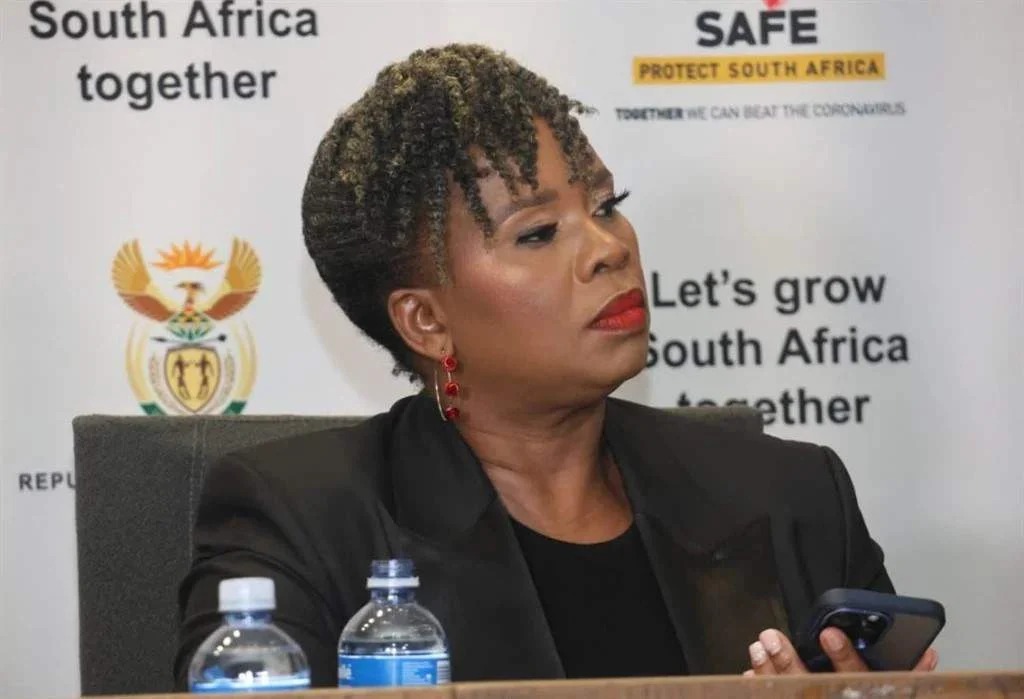
For years, many South African performers have lived job to job. One month, you are booked for a shoot or a stage run. The next, you are chasing invoices, juggling gigs, and hoping the phone rings again. That reality may soon change.
The Department of Employment and Labour has proposed a major shift that could reshape how creative performers are treated at work. On 23 January, the department announced its intention to reclassify creative performers as formal employees under the National Minimum Wage Act. If finalised, this would bring thousands of actors, dancers, voice artists, models, musicians, and other performers into the same labour framework as traditional employees.
This is not just a technical adjustment. It is a move that could fundamentally alter job security across South Africa’s creative economy.
Why the government wants to step in now
At the heart of the proposal is a long-standing problem. Most performers are currently treated as independent contractors. That status often excludes them from basic protections like regulated working hours, paid leave, or compensation if they are injured on set.
According to the Department of Employment and Labour, this has left many workers in advertising, artistic, and cultural sectors economically vulnerable. Short-term contracts, unpredictable income, and limited bargaining power have become the norm, even as the creative sector continues to generate significant cultural and commercial value.
Labour Minister Nomakhosazana Meth said the new proposal follows extensive feedback received after an earlier attempt to reform the industry. In 2019, the department proposed classifying film and television workers as formal employees. That move aimed to give cast and crew access to annual leave, sick leave, maternity benefits, and minimum wage protection.
The current proposal goes further by expanding those protections beyond film and television to include performers across a much wider range of creative industries.
What would actually change for performers
If the proposal is finalised, performers would no longer be treated as self-employed freelancers when it comes to basic labour rights. Instead, they would fall under several key labour laws.
Under the Basic Conditions of Employment Act, performers would gain clear protections around working hours, rest periods, and overtime. Employers would be required to issue written contracts, keep proper records, and provide formal payslips. Performers would also become entitled to annual leave, sick leave, and maternity leave, as well as notice periods and severance pay when contracts end.
The National Minimum Wage Act would guarantee that performers cannot be paid below the legal wage floor, which is currently being updated for 2026. This could have a significant impact on industries where rates vary widely and late payments are common.
The proposal also brings performers under the Compensation for Occupational Injuries and Diseases Act. This means injuries sustained during rehearsals, performances, or shoots would qualify for compensation, something many freelancers currently lack.
For longer engagements, the Labour Relations Act would offer added job security. Fixed-term contracts extending beyond 24 months would trigger additional protections, reducing the risk of endless rolling contracts without stability.
How the creative sector is reacting
Reaction across the industry has been mixed but intense. Many performers and unions have welcomed the proposal, calling it long overdue recognition of creative labour as real work deserving real protection. On social media, performers have shared personal stories of unpaid invoices, unsafe working conditions, and the pressure to accept poor terms simply to stay employed.
Others, particularly smaller production houses and agencies, have raised concerns about increased costs and administrative burdens. There are fears that tighter regulation could reduce opportunities, especially for emerging artists or small-scale productions.
Still, supporters argue that fairness and sustainability must come first. Without basic protections, many talented performers leave the industry entirely, weakening South Africa’s cultural output over time.
What happens next
At this stage, nothing is final. The announcement is a notice of intention, not a completed law. Minister Meth has invited performers, employers, and the public to submit written comments or objections within 30 days of 23 January 2026.
That consultation process will shape whether the proposal is amended, delayed, or implemented largely as planned. If adopted, it would mark one of the most significant labour reforms the creative sector has seen in decades.
For now, performers across South Africa are watching closely. For many, this proposal represents something rare in the industry. The possibility of stability in a world built on gigs, contracts, and uncertainty.
Also read: JSE hits record high as metal prices surge and the rand strengthens
Follow Joburg ETC on Facebook, Twitter, TikT
For more News in Johannesburg, visit joburgetc.com
Source: Business Tech
Featured Image: News24