Business
South Africans embrace digital wallets despite growing fears of AI scams
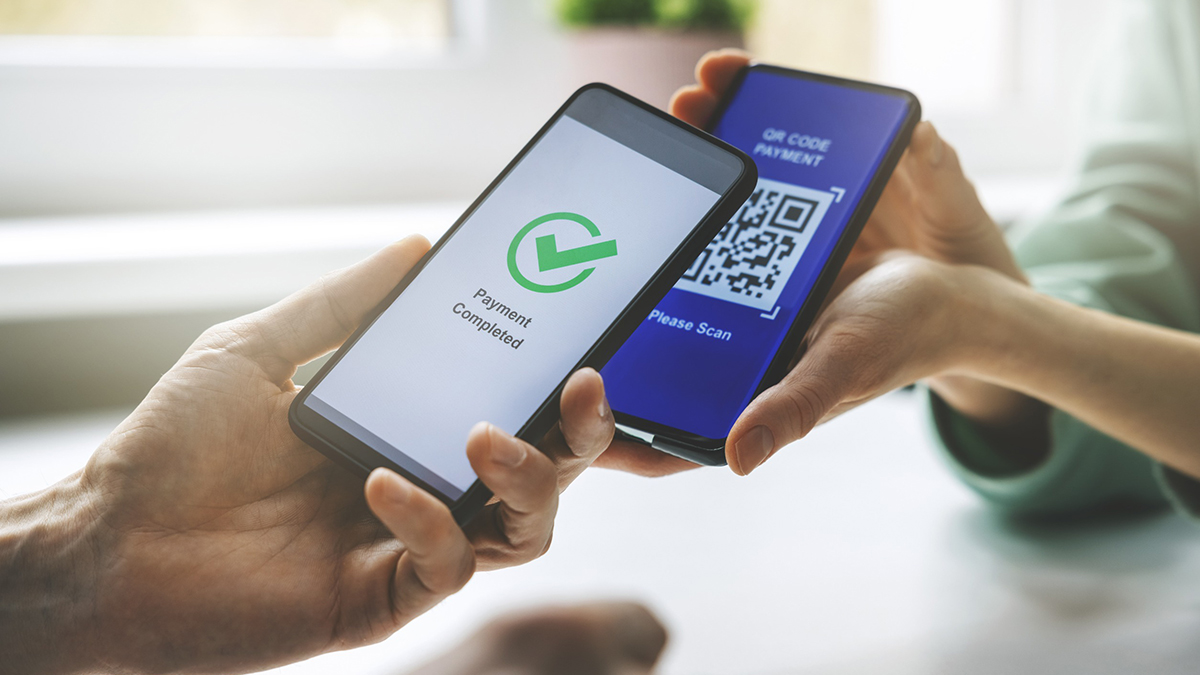
Paying for coffee with a tap of your phone or unlocking a banking app with a fingerprint once felt like something out of a sci-fi film. Today, it is quickly becoming the norm across South Africa.
A new consumer survey suggests that locals are increasingly comfortable with technology-driven payment methods such as digital wallets and biometric authentication. Yet the rise of artificial intelligence in finance has also introduced a new layer of concern. South Africans may be embracing convenience, but many are keeping a cautious eye on security.
The shift towards faster digital payments
For many consumers, speed is the biggest draw.
A survey conducted among 1,000 South Africans found that nearly four in ten people believe digital wallets are the fastest way to pay. Instead of pulling out a bank card or cash, many shoppers now reach for their phones or smart devices.
Digital wallets allow users to store card details on their phones and complete payments with a tap or quick scan. The technology has grown rapidly in South Africa as smartphone usage and mobile banking continue to expand.
Biometric verification is also gaining traction. About 66 percent of consumers say they approve of payments that use fingerprints or facial recognition to confirm transactions.
This trend reflects a broader shift in how people interact with money. Convenience matters, but so does the feeling that a payment is secure and controlled by the user.
AI enters the shopping experience
Artificial intelligence is also beginning to influence how South Africans shop.
According to the survey, around 63 percent of consumers have already used AI tools to help with shopping-related tasks. These can include product recommendations, price comparisons, or digital assistants that guide users through online purchases.
In many cases, the technology promises to make buying decisions quicker and easier. But the growing role of AI in finance and commerce is also raising questions about privacy and fraud.
Trust, but verify
Even as digital payments become more common, security remains front of mind.
Many consumers believe banks and financial institutions should take the lead in protecting users from emerging threats. About 76 percent say banks carry the main responsibility for safeguarding customers against fraud, while 71 percent point to payment networks as key protectors.
At the same time, people recognise their own role. Roughly 67 percent believe consumers themselves must stay alert to potential scams and security risks.
The survey suggests South Africans are already taking action. Nearly half of respondents say they have enabled two-factor authentication on their accounts, while about 40 percent regularly change their passwords to improve security.
AI fears are real, but not overwhelming
Artificial intelligence has become a double-edged sword in the payments space. While it helps streamline online shopping and digital banking, it has also been linked to new types of scams.
More than four in ten consumers believe AI-generated payment scams can be detected. This indicates a level of awareness among the public about how fraud might evolve as technology advances.
Still, many South Africans remain cautious about how AI-powered tools use personal information, especially when it comes to financial data.
People still want human help
Despite the surge in digital tools, one thing has not changed. When something goes wrong with money, people still want to speak to another human.
Almost two-thirds of consumers say they prefer speaking to a customer care agent rather than interacting with AI systems when dealing with banking issues.
This suggests that while technology is transforming the payments landscape, trust in human support remains a vital part of the experience.
A balancing act between innovation and security
South Africa’s payment culture is clearly evolving. From biometric logins to digital wallets, technology is making transactions quicker and more seamless than ever before.
Yet the survey highlights a careful balance. Consumers want convenience, but they also expect strong safeguards and clear accountability from financial institutions.
For now, it seems South Africans are willing to embrace the future of payments, provided their money and personal information remain protected.
Follow Joburg ETC on Facebook, Twitter, TikT
For more News in Johannesburg, visit joburgetc.com
Source: sundayworld.co.za
Featured Image: ITWeb