Business
Eskom’s legal challenge could stall South Africa’s electricity reform
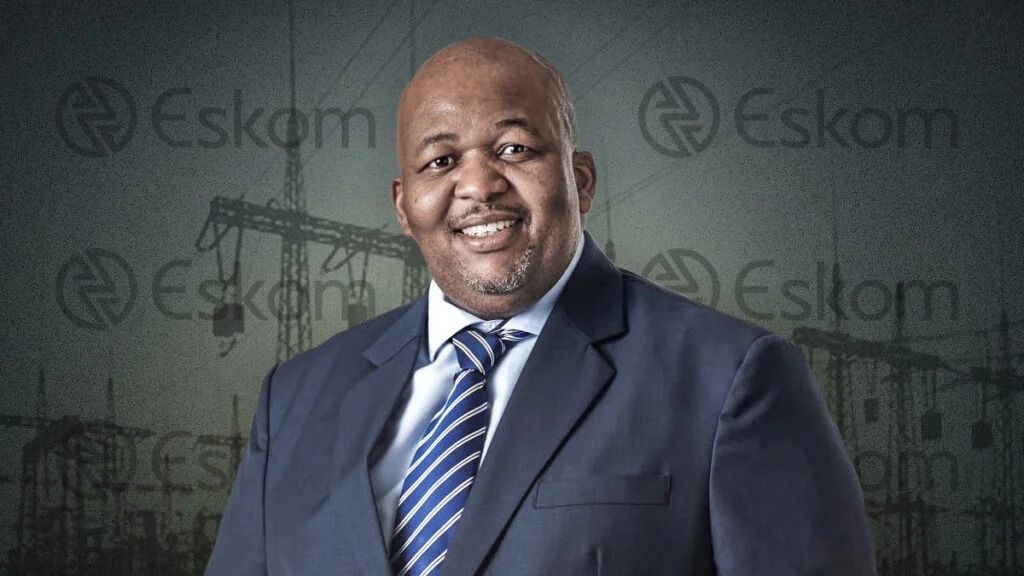
Eskom, court battles, and the fight over South Africa’s power future
South Africans are no strangers to electricity drama. From load shedding schedules that change by the hour to heated debates about who should control the grid, power remains one of the most emotional issues in the country. Now, a legal fight involving Eskom, NERSA, and new electricity traders is stirring fresh concern that progress towards a competitive electricity market could be stalled for years.
At the heart of the issue is a High Court review application that Eskom has launched over the granting of new electricity trading licences. While officials have publicly spoken about reform and competition, court records suggest a more complicated reality unfolding behind the scenes.
Why these licences mattered
In 2024 and 2025, the National Energy Regulator of South Africa granted electricity trading licences to five companies. This was not a small administrative step. It formed part of the Electricity Regulation Amendment Act of 2024, which aims to reshape South Africa’s electricity sector by moving away from Eskom’s long-standing vertically integrated monopoly.
The idea was simple in theory. Allow more traders into the market, encourage competition, improve wheeling arrangements, and open the door for generators and buyers to trade power more freely. For businesses and energy investors, it signalled a shift towards a modern electricity market that could reduce pressure on the national grid.
Eskom’s legal objection
Eskom Distribution objected to NERSA’s decision and took the matter to the High Court. According to energy expert Chris Yellend, the utility’s review application is based on both technical and legal arguments. These include concerns about how the licences were processed and whether the regulator followed proper procedures.
This move quickly drew political attention. Electricity Minister Kgosientsho Ramokgopa publicly criticised Eskom’s decision to litigate, warning that it could damage confidence in the regulatory system and undermine NERSA’s fast-tracking of electricity trading rules.
When Eskom presented its financial results, CEO Dan Marokane said the review application had been placed on hold. This was welcomed by parts of the market and seen as a sign that Eskom was listening to calls for cooperation.
The stay that never really happened
Optimism faded when court documents revealed that the case had not been formally stayed. A directive issued by the Gauteng High Court in October 2025 confirmed that Eskom had continued with the review application.
Eskom responded by saying it supports electricity market reform and welcomes new competitors. However, it admitted that the legal process was still active. According to the utility, its intention was to create space for NERSA to run consultations and public hearings on new trading rules.
Eskom argued that there is no legal mechanism to simply pause a case by agreement and that it faced a choice. Either abandon the review entirely or continue participating in procedural steps to protect its legal position. The situation became more complicated when NOA Group Trading declined to wait for NERSA’s consultation process and proceeded with the matter.
Subsidies, rules, and a deeper fear
Marokane has been clear about Eskom’s underlying concern. He argues that granting trading licences without updated and enforceable rules allows certain customers to avoid contributing to billions of rands in electricity subsidies. Until new trading rules are finalised, Eskom believes all players should operate under the existing framework.
From Eskom’s perspective, moving too quickly risks confusion around obligations, subsidies, and consumer protection. From the perspective of new traders and investors, the ongoing court case creates uncertainty that makes it difficult to secure bank funding, sign contracts with generators, or sell power to customers.
Speaking with two voices
Chris Yellend has questioned Eskom’s explanation that external parties are responsible for the continuation of the case. He argues that the litigation effectively freezes the new trading market and could delay South Africa’s transition to competition for years, especially given how slowly complex cases move through local courts.
His criticism goes beyond legal technicalities. Yellend has said Eskom appears to be sending one message to politicians, the public, and the media, while pursuing a different strategy in court. For many South Africans who already feel trapped between power cuts and policy promises, this perceived disconnect cuts deep.
Why it matters to ordinary South Africans
This is not just a fight between lawyers and regulators. A competitive electricity market is widely seen as a key part of ending load shedding and stabilising prices in the long term. Delays mean fewer alternatives, slower investment, and continued reliance on a strained system.
On social media, reactions have ranged from frustration to cynicism. Many users say the legal wrangling feels like yet another example of reform being announced with fanfare, only to be bogged down by institutional resistance and bureaucracy.
As the case continues, the bigger question remains unanswered. Can South Africa truly reform its electricity market while its biggest player is both championing change and challenging it in court? For now, the uncertainty continues, and so does the wait for a power system that works for everyone.
Follow Joburg ETC on Facebook, Twitter, TikT
For more News in Johannesburg, visit joburgetc.com
Source: Business Tech
Featured Image: Daily Investor