Business
FNB Brings eWallet to WhatsApp in Push to Expand Digital Banking
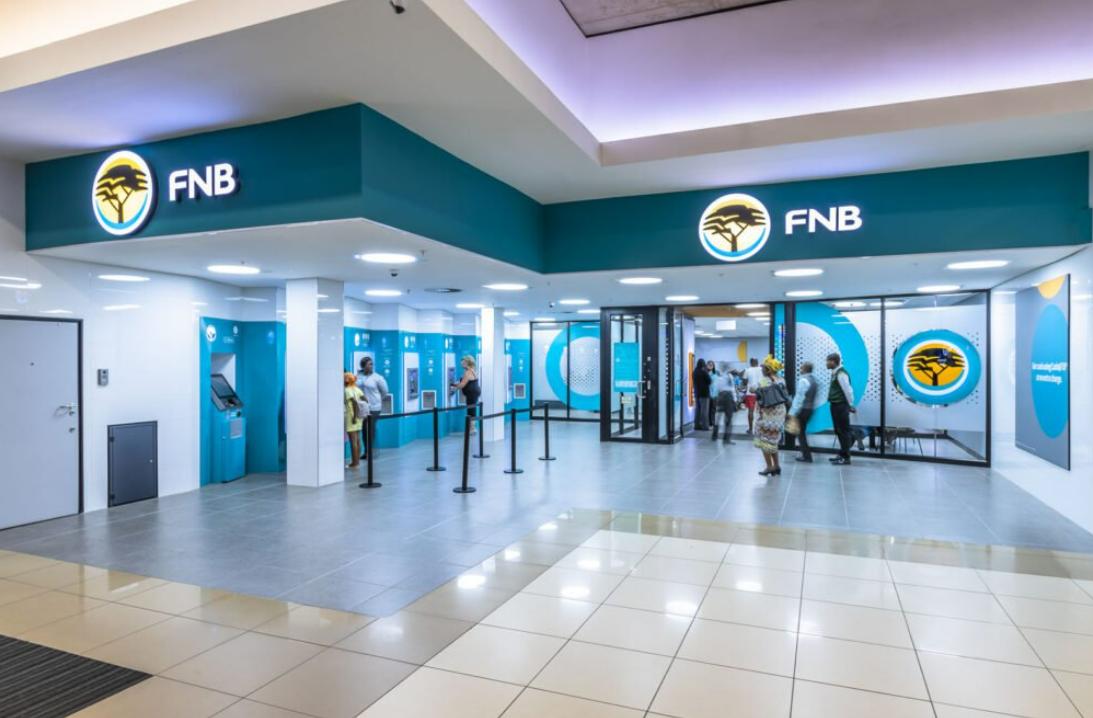
Sending money in South Africa has long been tied to simple mobile tools. For years, FNB’s eWallet has been one of the most familiar names in that space, especially for people who do not have traditional bank accounts. Now the bank is taking another step into everyday digital life by bringing the service to WhatsApp.
The move forms part of a broader revamp of the long-running platform, which has quietly become a lifeline for millions of South Africans who rely on fast, simple money transfers.
Why WhatsApp Makes Sense
According to FNB, the decision to introduce eWallet functionality on WhatsApp came down to one simple reality. Most of its users are already there.
Hema Morar, FNB’s eWallet executive, says more than 90% of eWallet customers use WhatsApp regularly. That made the messaging platform a natural place to expand the service.
Through the new channel, users can interact with their eWallet using a secure PIN after registering. The bank is also keeping its USSD option available, ensuring people with basic mobile phones can still access the service.
The goal is to create something that sits somewhere between a mobile wallet and a traditional bank account. Simple enough for first-time users, but powerful enough to handle everyday financial tasks.
A Tool For South Africa’s Informal Economy
The eWallet system has long been popular among workers and small traders who operate outside the formal banking system.
Think seasonal farm workers, domestic workers, street vendors, construction labourers or informal handymen. Many of these individuals struggle to open bank accounts because they cannot provide standard documentation such as proof of address.
In that context, eWallet has become a kind of bridge into the financial system.
Morar says that over the service’s 17-year history, it has often served as a starting point. Some users begin by receiving money through the wallet, then gradually move towards more formal banking products.
The Remittance Reality
One of the biggest uses of eWallet in South Africa remains sending money from cities to families in rural areas.
Parents working in Johannesburg, Cape Town or Durban often transfer funds home to relatives in provinces such as the Eastern Cape or Limpopo. These small but regular payments form a critical financial support system across the country.
However, FNB has noticed a challenge. Many recipients withdraw the money immediately instead of keeping it digitally.
To encourage more digital use, the bank has expanded what users can do inside the wallet.
Customers can now send money between eWallets, transfer funds to bank accounts via EFT, and use fast payment rails such as PayShap.
They can also purchase airtime or electricity directly through the wallet.
Small Credit Advances Now Available
Another new feature being introduced is a credit advance system.
Depending on their transaction history, users may qualify for advances ranging from R50 to R500. The amount offered is personalised and tied to behaviour on the platform.
In simple terms, responsible payment activity builds a digital track record. Over time, that record can unlock higher advances.
The idea mirrors a broader trend in fintech, where lenders use transaction data rather than traditional credit records to assess risk.
Built-In Limits For Safety
To comply with South Africa’s Financial Intelligence Centre Act regulations, eWallet accounts still operate within certain limits.
Transactions are capped at R3 000 and accounts cannot hold more than R25 000 at any given time.
These safeguards are intended to balance accessibility with anti-money laundering rules.
A Competitive Digital Banking Race
FNB’s latest update arrives at a time when competition for South Africa’s underbanked population is intensifying.
Mobile operators such as MTN are pushing their MoMo platform, while newer banking players like GoTyme Bank are targeting customers with low-cost digital accounts.
For established banks, the informal and entry-level market has become a major battleground.
By integrating eWallet with WhatsApp, FNB is effectively bringing banking services into the messaging app many South Africans already use daily.
For someone sending money home, paying a helper or managing small business transactions, the change could mean fewer steps between conversation and payment.
{Source:Tech Central}
Follow Joburg ETC on Facebook, Twitter , TikTok and Instagram
For more News in Johannesburg, visit joburgetc.com