Business
Why South Africans Are Being Warned Against Illegal Loans
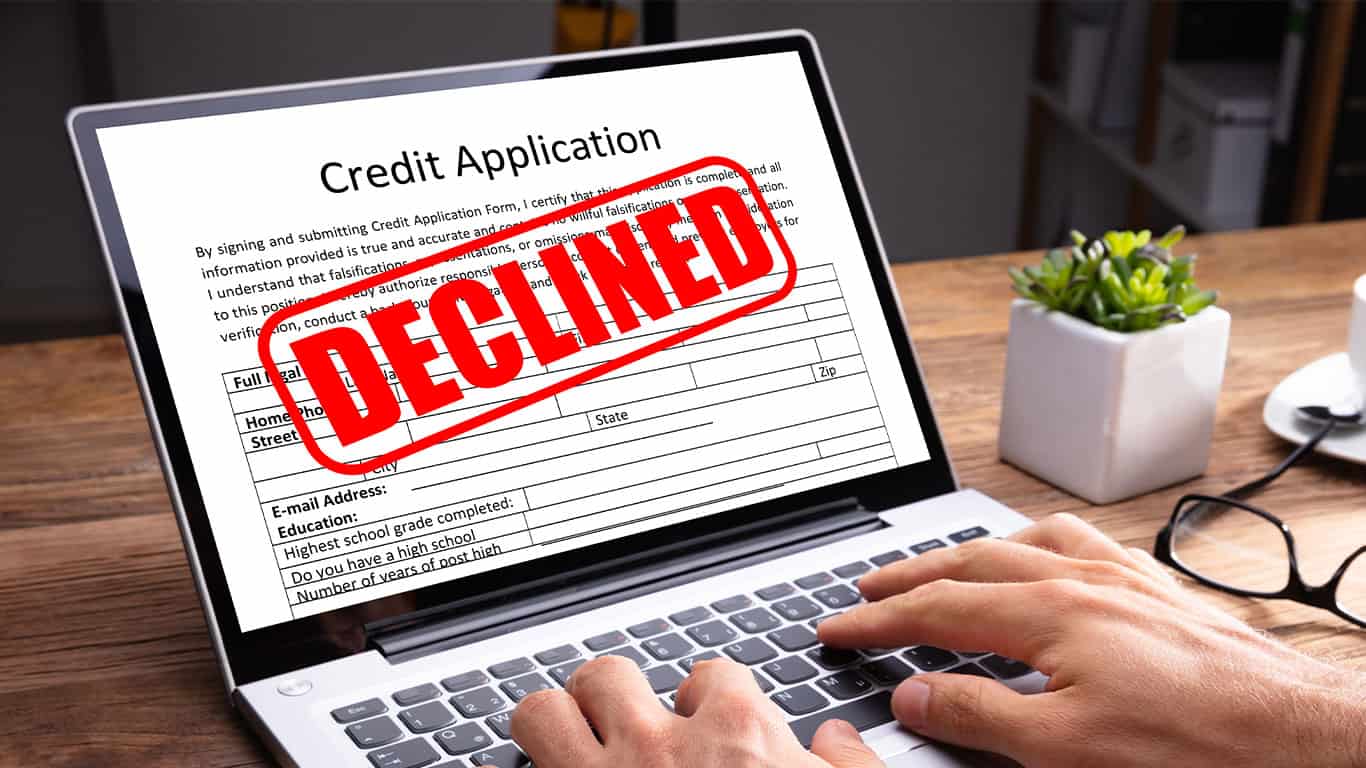
For many South Africans, the weeks after the festive season are a financial hangover. January school fees, transport costs, groceries, and rising debt repayments all collide at once. It is often during this pressure cooker moment that desperate choices get made. And according to the Credit Association of South Africa, those choices are increasingly pushing people into the hands of illegal lenders.
CASA has raised the alarm over a growing number of consumers taking loans from credit providers who are not registered with the National Credit Regulator. These loans may seem like quick fixes, but they often come with devastating consequences.
The hidden cost of quick cash
CASA chief executive Leonie van Pletzen has warned that illegal lenders frequently charge extreme interest rates, in some cases reaching 100 percent per month. That means a small loan can spiral into an unpayable debt within weeks.
Even more worrying is how some of these lenders operate. There have been repeated reports of identity documents and bank cards being taken and held as collateral. Once that happens, borrowers are effectively locked out of the formal financial system and trapped in a cycle they cannot escape.
This is not a fringe issue. CASA represents South Africa’s largest nonbanking credit providers and says illegal lending has become one of its biggest concerns.
Why people are turning to illegal lenders
The uncomfortable truth is that many households are under real financial strain. Van Pletzen has acknowledged that consumers often turn to illegal lenders because they feel shut out of formal credit or are already behind on repayments.
But disappearing from your legal credit provider, she says, only makes things worse. Missing payments damages credit records and pushes people further away from regulated options that could actually help.
Her advice is simple but critical. Speak to your credit provider. Regulated lenders are required to work with consumers, and many are willing to restructure payments or make alternative arrangements.
Credit is not the enemy
There is still a strong stigma around debt in South Africa, but Van Pletzen argues that this mindset needs to change. Credit itself is not something to be ashamed of. Used correctly, it can support households, smooth out expenses, and even build a positive credit profile.
The key is planning. Credit should not only solve today’s emergency but also make sense for tomorrow. Choosing a registered provider means access to guidance, legal protections, and realistic repayment terms.
A changing credit landscape
This warning comes at a time when access to credit in South Africa is expanding rapidly. Banks still dominate the market, holding nearly four-fifths of total credit issued. In the third quarter of 2025 alone, banks issued R122.7 billion in new credit.
However, non-bank lenders are growing fast. Retailers have recorded the strongest growth, with credit issued by stores increasing by 24 percent year on year. This reflects the rising popularity of in-store credit, particularly for clothing, furniture, and household goods.
Other alternative lenders are also gaining ground. Non-bank vehicle financiers, for example, recorded strong growth during the same period.
Large retail groups such as Shoprite and Pepkor have even begun expanding into banking and financial services, blurring the lines between retail and traditional finance.
The line that should never be crossed
With more credit options on the market, the temptation to take shortcuts is real. But CASA’s warning is clear. If a lender is not registered with the National Credit Regulator, walk away.
No emergency, no matter how urgent, is worth surrendering your ID, your bank card, or your financial future. In a country already battling household debt, illegal loans are turning short-term stress into long-term harm.
Also read: Treasury’s 20% Online Gambling Tax Tests South Africa’s Democracy
Follow Joburg ETC on Facebook, Twitter, TikT
For more News in Johannesburg, visit joburgetc.com
Source: Daily Investor
Featured Image: Debt.com