Business
Libstar’s turnaround takes shape as raw milk sales drive 2025 recovery
For years, Libstar has quietly sat behind some of South Africa’s most familiar pantry staples. From Lancewood cheese to Cape Herb and Spice seasonings, its products are part of everyday life in many homes. But behind the scenes, the company has been working through a tough period.
Now, the latest financial results suggest that turnaround is no longer just a plan on paper. It is starting to show up where it matters most, in the numbers.
A recovery that finally looks real
Libstar’s performance for the year ending December 2025 paints a very different picture from the one seen just a year earlier. Revenue climbed to R12.33 billion, marking an 8.2% increase, while losses were almost entirely wiped out.
In fact, the company reported a near break-even loss of just R223,000. That is a dramatic improvement compared to 2024, when losses were far more significant.
Even more telling is the return to positive earnings. Libstar moved from a loss per share in 2024 to earnings of 13.3 cents per share in 2025. For a business that had been under pressure, this shift signals a genuine change in direction.
The unexpected hero: raw milk
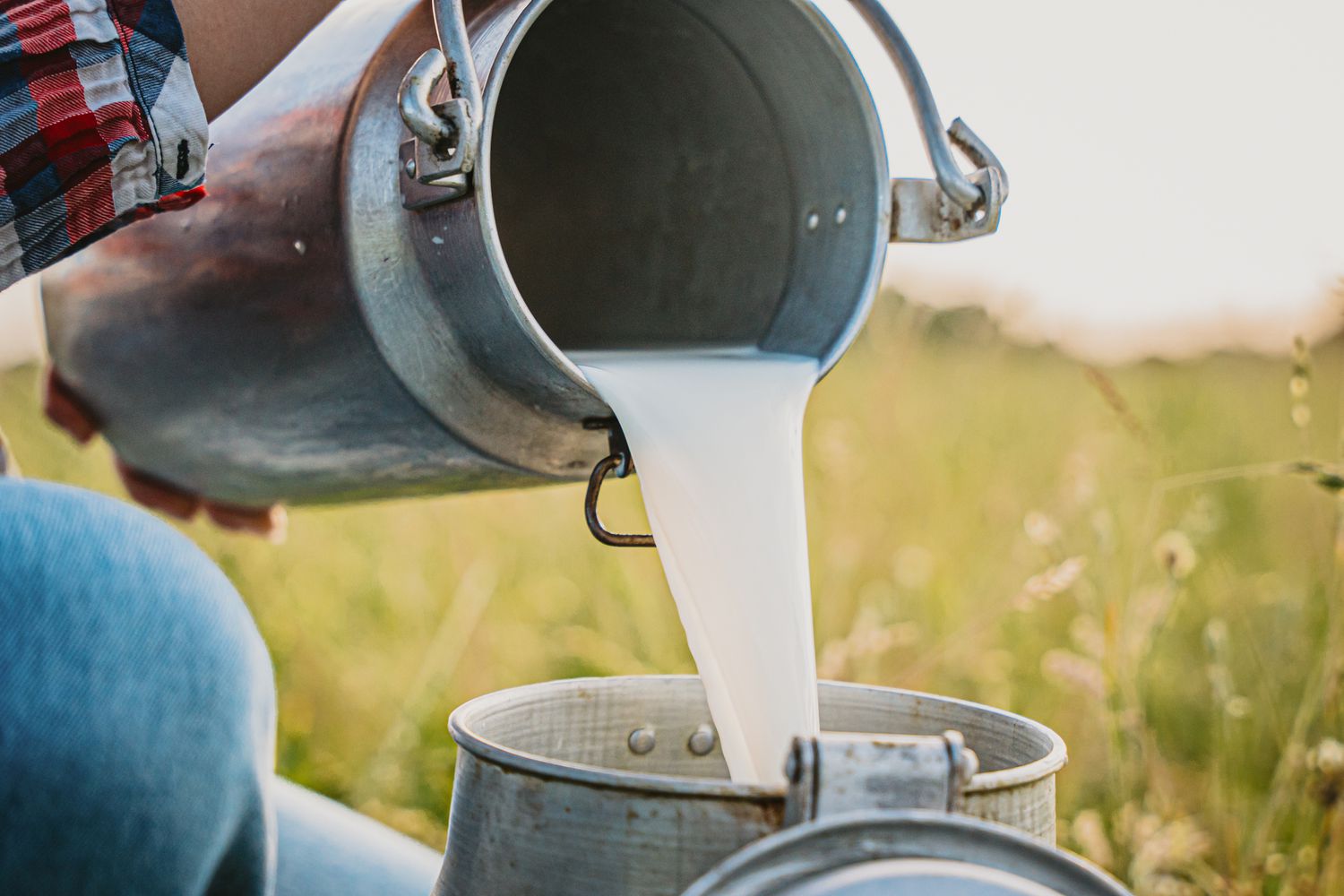
One of the most interesting drivers behind this recovery is not a flashy new product or a major acquisition. It is something far simpler. Raw milk.
Libstar reported a notable increase in sales volumes, up 10.6% overall. A large portion of that growth came from the sale of unprocessed raw milk to industrial customers, which alone contributed an 8.6% lift in group volumes.
In a country where dairy prices and supply chains are often under scrutiny, this move has quietly paid off. It reflects a more flexible approach to the market, where even basic commodities can become strategic revenue drivers when handled correctly.
A leaner, sharper business model
The turnaround did not happen overnight. Back in 2023, Libstar introduced a three-year strategy focused on simplifying its operations and improving profitability.
Part of that plan involved cutting down complexity. The company reduced its structure from five categories to two main ones: ambient and perishable products. Within these sit seven more focused sub-categories.
This shift was supported by targeted closures, business integrations, and the sale of underperforming assets. One example is the closure of its Chamonix Springwater business, which also created a lower base for comparison, making 2025 growth appear stronger.
The result is a company that looks more disciplined, both in how it spends and how it grows.
Stronger performance across the board
Both of Libstar’s core divisions showed steady improvement.
Ambient products, which include pantry staples and longer shelf-life goods, delivered solid revenue growth and slightly improved margins. Meanwhile, the perishable side of the business, which covers dairy and fresh products, saw even stronger gains in both revenue and profitability.
At a group level, returns on invested capital also improved, climbing from 8.6% to 10.9%. That kind of movement is often seen as a key signal that a company’s strategy is starting to work.
What this means for South Africa’s food sector
Libstar’s recovery comes at a time when South African consumers are under pressure, with food prices and living costs still a major concern.
There has been growing public conversation online about affordability and value, especially when it comes to everyday grocery items. In that context, a more efficient food producer is not just good news for investors. It has ripple effects across the supply chain, from farmers to retailers and ultimately shoppers.
What stands out here is not just the financial turnaround but also how it was achieved. Instead of chasing quick wins, Libstar focused on simplifying its business, improving margins, and making better use of what it already produces.
A cautious but confident next chapter
The company has signalled confidence in its improved position by declaring a dividend of 28 cents per share. That is often seen as a sign that management believes the recovery is sustainable, not just a once-off result.
While challenges in the food sector are far from over, Libstar’s latest results suggest it has found a more stable footing.
For a business built on everyday essentials, the lesson is clear. Sometimes, the biggest turnaround does not come from reinventing the wheel. It comes from getting the basics right, even if that means going back to something as simple as milk.
Follow Joburg ETC on Facebook, Twitter, TikT
For more News in Johannesburg, visit joburgetc.com
Source: Daily Investor
Featured Image: Health