Business
Why lightning is destroying South Africa’s home solar systems
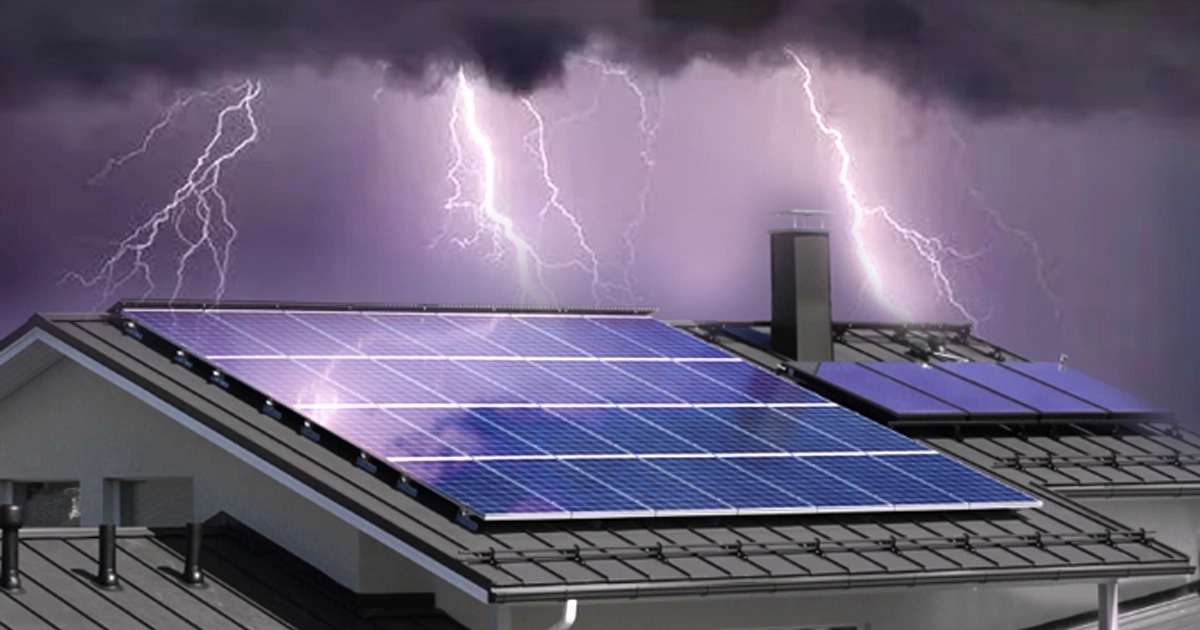
The invisible force frying South Africa’s home solar systems
On a summer afternoon in Joburg, the sky goes charcoal grey, the air feels heavy, and then it starts. Thunder cracks so loudly it rattles windows. For many South African households who invested in solar to escape load shedding, this moment now brings a different kind of anxiety. Not Eskom outages, but lightning.
South Africa is one of the most lightning-prone countries in the world. According to the South African Weather Service, roughly 25 million lightning strikes hit the country every year. That intensity is not just dramatic. It is deadly and destructive.
Between 200 and 300 people are killed by lightning annually in South Africa. That is about 6.3 deaths per million people, far above the global average. Rural communities suffer the most, especially where there are few lightning-safe structures.
And increasingly, our solar-powered homes are caught in the firing line.
When storms turn lethal
The risk became chillingly real earlier this year. On 3 January 2026, SAWS recorded an exceptionally powerful lightning storm near Majaneng, a rural village close to Hammanskraal. Over just 10 hours, 1,830 lightning strikes hit within a 20-kilometre radius.
Forty people were struck. Two people attending a community event at a sports field lost their lives.
It was an extreme example, but not an isolated one. Gauteng, KwaZulu-Natal, Mpumalanga, the Free State, and Limpopo all experience frequent summer thunderstorms. With rising temperatures linked to climate change, these storms are becoming more intense and more frequent.
That spells trouble not only for people but also for infrastructure.
Why solar systems are so vulnerable
Lightning does not need to hit your roof directly to cause damage. Electrical systems are especially sensitive because they rely on copper cabling, which conducts energy extremely well.
In a conventional home, the advice during a severe storm is simple. Unplug appliances. But solar systems do not work like kettles or TVs. Inverters and batteries are hardwired into the home’s distribution board, making them impossible to disconnect quickly.
A nearby strike can send massive electrical surges through wiring. These surges can overwhelm inverters, destroy batteries, and wipe out expensive equipment in seconds.
This is why so many homeowners report solar systems failing immediately after big storms, even when there is no visible damage.
Why surge protection is not a silver bullet
Most reputable solar installers fit surge protection devices in distribution boards. These are designed to handle typical lightning-induced surges, which can reach around 25,000 amps.
The problem is scale. A direct lightning strike can deliver up to 100,000 amps.
Protection strong enough to handle that level of force is costly and not always practical for residential homes. Lightning masts or rods can act as a preferred strike point, but they come with their own issues. They are expensive, require ongoing maintenance, and are not allowed or welcomed in all neighbourhoods or estates.
Local regulations also require specialised Class 1 surge protection when lightning masts are installed, adding to the cost.
In short, there is no guaranteed physical shield against a direct lightning strike.
Insurance is your real safety net
This is where many homeowners get caught out.
Insurers generally agree that lightning damage is unavoidable, but they expect reasonable precautions. A properly installed system, certified by a professional electrician, is essential. A valid electrical Certificate of Compliance is usually nonnegotiable.
Naked Insurance has explained that when claims are assessed, insurers look at whether the system was safely installed, correctly maintained, and compliant with regulations. Evidence of lightning damage can help speed up claims, as insurers often need to distinguish between storm damage, power surges, equipment failure, or workmanship issues.
Some insurers require surge protection devices in the main distribution board as a condition of cover, or they may offer lower excesses if these are installed.
One costly mistake many households make
A surprisingly common error is assuming solar systems are automatically covered.
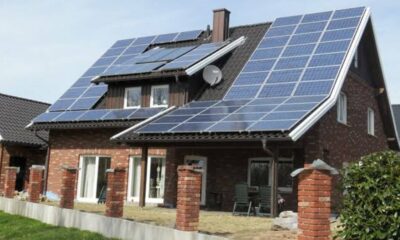
Integrated systems, including panels, inverters, batteries, and even solar geysers wired into the home, are treated as permanent fixtures. That means they fall under building insurance, not contents insurance.
If you install solar and do not inform your insurer, you may be underinsured without realising it. Insurers recommend notifying them about solar installations just as you would for a new extension or major renovation.
Portable systems are different. Standalone inverters, movable batteries, and generators that can be unplugged usually fall under home contents insurance.
For sectional title properties, things get even trickier. Buildings are insured through a body corporate, so homeowners should confirm that the insured value has been increased to explicitly include alternative energy equipment installed in their unit.
Living with the risk
On social media, South Africans often joke that the country has mastered surviving chaos. Load shedding, water outages, and now lightning destroying solar systems. But behind the humour is real frustration. Solar was meant to be an escape from instability, not another risk to manage.
The uncomfortable truth is that lightning is an unstoppable force. Beyond proper certification, sensible surge protection, and adequate insurance, there is very little households can do.
As storms grow stronger and solar adoption continues to rise, the real protection may not come from hardware at all, but from understanding the risk and making sure that when the sky does strike, your finances do not take the hit too.
Follow Joburg ETC on Facebook, Twitter, TikT
For more News in Johannesburg, visit joburgetc.com
Source: MyBroadband
Featured Image: Fenice Energy