Business
Maduro’s Capture: What It Means for Global Oil Prices and Economic Stability
A distant arrest with global consequences
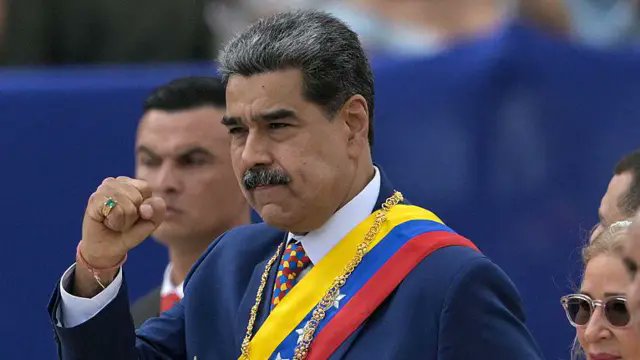
The reported capture of Venezuelan President Nicolás Maduro by US forces over the weekend may have happened thousands of kilometres away, but the aftershocks are being felt far beyond Caracas. From oil traders in London to policymakers in Pretoria, the question is the same: what does this mean for an already fragile global economy?
While Washington has framed the operation as a targeted intervention, analysts warn that the real impact may lie in how markets, governments and investors respond, particularly when it comes to energy.
Why Venezuela still matters to oil markets
Venezuela holds the world’s largest proven oil reserves, even though years of sanctions, mismanagement and underinvestment have slashed production by nearly 70% since its late-1990s peak. On paper, its current export volumes are small. In reality, its oil still carries enormous symbolic and strategic weight.
According to UKZN political economist Dr Sakhile Hadebe, markets don’t just react to supply they react to fear.
“Oil prices are shaped by expectations and risk perception,” he explains. “Any military disruption to infrastructure, ports or export routes injects uncertainty, and uncertainty drives volatility.”
In other words, prices can spike even if no barrels are immediately lost.
The inflation domino effect
Higher oil prices don’t stay at the petrol pump. They ripple through transport, food production and manufacturing hitting inflation-sensitive economies hardest. For many Global South countries still battling post-pandemic debt and tight financial conditions, even a modest price shock could deepen economic strain.
Hadebe warns that decisions taken in Washington could end up exporting economic pain to countries least able to absorb it.
Legal echoes and a shifting world order
Unisa international law professor André Thomashausen compares Maduro’s arrest to the 1990 US capture of Panamanian leader Manuel Noriega an intervention later ruled unlawful by the International Court of Justice, but long after the damage was done.
This time, Thomashausen notes, the muted response from powers like China, Russia and India may signal a reluctant acceptance of a new, uneasy multipolar order one where smaller states must tread carefully.
Not everyone expects an oil shock
Some analysts urge caution. UKZN’s Zakhele Ndlovu points out that Venezuela currently accounts for less than 2% of global oil exports, suggesting prices may remain stable in the short term.
However, he warns the regional impact in South America could still be destabilising especially as US action sends a signal to other governments viewed as hostile.
Why South Africa could feel it hardest
The African Energy Chamber has stressed that Venezuela’s future now hinges on institutional stability following the appointment of Acting President Delcy Rodríguez. With the right governance, Venezuela’s oil wealth could still be transformative.
But UKZN analyst Siyabonga Ntombela offers a sobering local perspective. He argues that South Africa’s strained relations with Western powers could leave it exposed.
“If the US controls access to the world’s largest oil reserves, it can use pricing as leverage,” he warns. “Countries seen as disloyal may pay a premium.”
Whether oil prices surge or not, Maduro’s capture marks a dangerous moment for global economic stability. It reminds the world that energy, politics and power remain tightly intertwined and that decisions made in one capital can quietly reshape lives across the globe, including right here at home.
{Source: IOL}
Follow Joburg ETC on Facebook, Twitter , TikTok and Instagram
For more News in Johannesburg, visit joburgetc.com