Business
Middle East tensions put South Africa’s fragile economic recovery at risk
There is a quiet unease building in South Africa’s business circles, and it has very little to do with anything happening locally. Instead, all eyes have turned thousands of kilometres away to the Middle East, where escalating conflict is starting to hit much closer to home than many expected.
According to the South African Chamber of Commerce and Industry, the fallout is already being felt. What may seem like a distant geopolitical crisis is now feeding directly into the country’s economic reality, threatening a recovery that was only just beginning to gain traction.
When global conflict hits local pockets
At the centre of the concern is oil. Brent crude prices have surged past the $110 mark, with spikes even higher as uncertainty grows around key shipping routes. The Strait of Hormuz, a narrow but critical passage that carries a significant portion of the world’s oil supply, has become a focal point of tension.
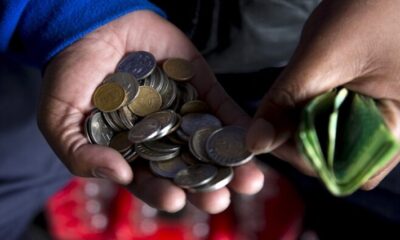
For South Africans, this translates into something very familiar: higher fuel prices. And as history has shown, when fuel rises, everything else follows. Transport costs climb, food prices creep up, and inflation begins to bite harder.
Business leaders are warning that this chain reaction could quickly undo the fragile gains the country has made since the pandemic years. It is not just about petrol at the pump. It is about the cost of living across the board.
Supply chains under strain again
There is also growing concern around global shipping. Disruptions in key trade routes are forcing companies to reroute vessels, pushing up freight costs and insurance premiums.
For a country like South Africa, which depends heavily on imports such as fuel and exports to global markets, these disruptions carry serious consequences. Delays at sea can mean delayed goods, rising prices, and pressure on already strained supply chains.
This is not unfamiliar territory. South Africans have seen similar knock-on effects during previous global crises. The difference now is timing. The economy is still trying to find its footing.
A fragile recovery meets global uncertainty
South Africa’s economic position remains delicate. Growth has been slow, public finances are under pressure, and businesses have been navigating a mix of local challenges from infrastructure constraints to energy instability.
Now, external shocks are adding another layer of complexity.
Higher oil prices feed directly into inflation. In turn, inflation keeps interest rates elevated. For households, this means more expensive debt and less disposable income. For businesses, it means tighter margins and more cautious investment decisions.
There is also the broader issue of confidence. Markets tend to react quickly to uncertainty, and emerging economies like South Africa are often hit hardest when global sentiment turns negative.
Why emerging markets feel it first
One of the key concerns raised by business leaders is how vulnerable emerging markets are to global shocks. Countries like South Africa rely heavily on imported energy and are more exposed to capital outflows when investors become risk-averse.
When uncertainty rises globally, money tends to move towards safer economies. That shift can weaken local currencies and increase the cost of imports, adding even more pressure.
It is a cycle that can be difficult to break once it starts.
Calls for diplomacy and a stronger local stance
Beyond the economic warnings, there has also been a clear call for restraint on the global stage. Business leaders are urging all parties involved in the conflict to prioritise diplomacy over escalation.
There is also a push for South Africa to play a more active role internationally. With a history of diplomatic engagement in global conflicts, there is a belief that the country could contribute to efforts aimed at de-escalation and dialogue.
It is not just about politics. It is about protecting economic stability at home.
The bigger picture
What makes this moment particularly significant is how interconnected everything has become. A conflict in one region can ripple through global markets within hours, affecting countries far removed from the immediate situation.
For South Africa, the message from the business sector is clear. The recovery is still fragile, and external shocks like this could easily tip the balance in the wrong direction.
In everyday terms, it means South Africans may once again need to brace for rising costs and renewed uncertainty.
And as conversations unfold both in boardrooms and online, there is a shared sentiment emerging. People are watching closely, aware that what happens next on the global stage could shape the local economy in the months ahead.
Follow Joburg ETC on Facebook, Twitter, TikT
For more News in Johannesburg, visit joburgetc.com
Source: IOL
Featured Image: LaRoss Consulting