Business
Markets tumble as Middle East tensions and inflation fears rattle investors
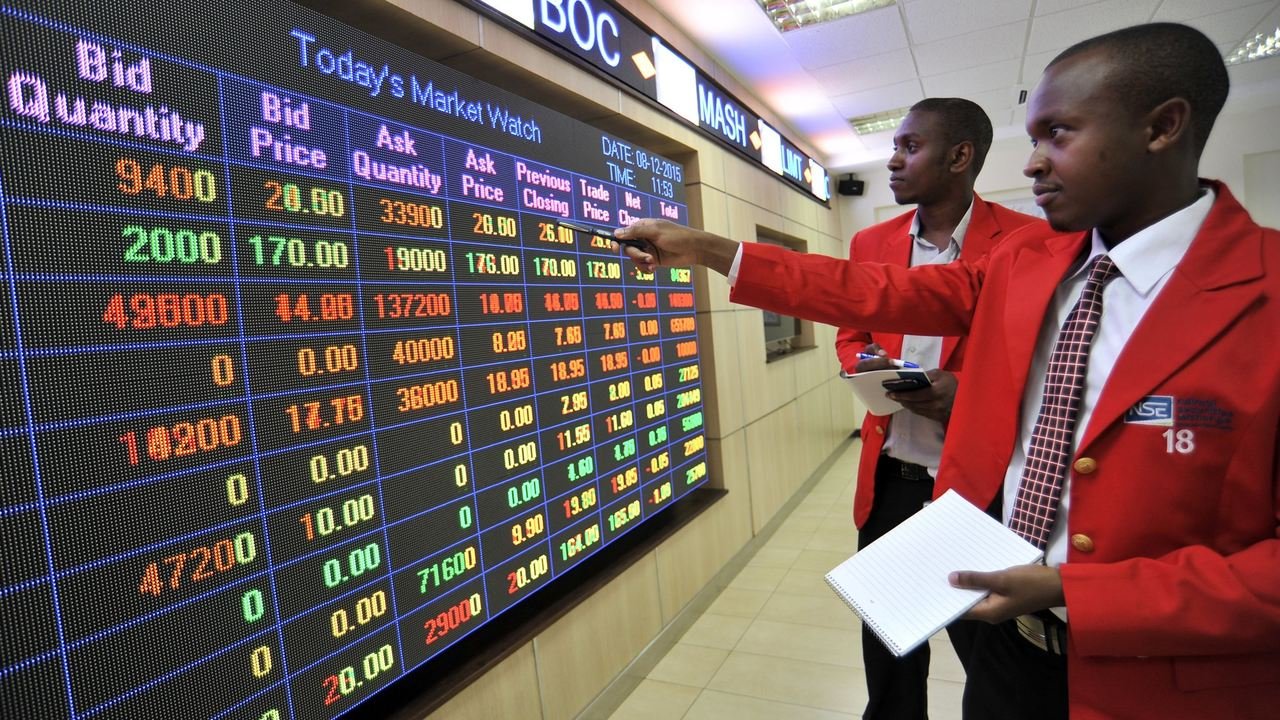
Markets tumble as Middle East tensions and inflation fears rattle investors
Global markets are on edge as escalating tensions in the Middle East collide with mounting inflation concerns, leaving investors around the world bracing for turbulence.
The ripple effects are already visible. The MSCI Asia Pacific Index plunged over 5%, marking one of the steepest declines since last year’s “Liberation Day” market shock. Analysts point to a perfect storm of factors: soaring crude prices, geopolitical uncertainty, and inflation data in China exceeding expectations.
Oil spikes and inflation fears
Crude oil surged past $115 per barrel, a 24% jump in recent days, sparking worries about rising costs for consumers and businesses alike. “This sharp rise in oil costs is stoking inflationary fears around the globe and further exacerbating an already precarious economic outlook,” said Bianca Botes, Director at Citadel Global.
The commodities market is feeling the pressure as well. Gold dipped 1.5% to £5,082 per ounce, while the US dollar strengthened, with the US Dollar Index climbing 0.63%, approaching the psychologically significant 100 mark. Investors are seeking safety in dollars, pulling away from riskier assets and emerging market currencies.
Emerging markets under pressure
South Africa is already feeling the strain. The rand opened at R16.83 to the US dollar, R19.42 against the euro, and R22.42 to the pound. Analysts warn that currencies in emerging markets are particularly vulnerable to shocks stemming from global conflicts.
“Emerging market currencies are typically more sensitive to global shocks of this nature,” Botes explained, highlighting that the ripple effects from the Middle East are far-reaching, touching not only equity markets but also exchange rates and commodity prices worldwide.
Public and investor reactions
Investors are reacting with caution, with many selling risk assets to shelter from potential losses. Social media chatter reflects a mix of anxiety and concern. One South African trader tweeted:
“Rand is bleeding again. Oil above $115 and no relief in sight. Time to brace for a rough week.”
Meanwhile, international investors are reassessing portfolios, balancing the need to hedge against inflation while keeping exposure to growth markets in Asia.
For the week ahead, market watchers say the focus will remain on the geopolitical landscape, oil price movements, and global inflation trends. Any new developments in the Middle East could amplify volatility further, particularly in Asia and emerging markets like South Africa.
Botes added, “This is not just a short-term blip. The current combination of political instability, rising oil prices, and inflation concerns is creating a highly precarious environment for investors.”
For traders, businesses, and everyday consumers, the consequences could extend beyond the stock market, affecting transport costs, energy bills, and the broader cost of living.
As tensions persist and oil prices continue to climb, one thing is clear: investors, currencies, and commodities markets will remain on a knife-edge, watching every development in the Middle East and recalibrating strategies accordingly.
{Source: IOL}
Follow Joburg ETC on Facebook, Twitter , TikTok and Instagram
For more News in Johannesburg, visit joburgetc.com