
Business
The R84 billion “New York of Africa” that never arrived in Modderfontein
When Modderfontein was meant to change everything
A decade ago, Modderfontein was spoken about in the same breath as Manhattan. Glossy renders promised a bold future city on the East Rand, one that would rival global hubs and redefine how Johannesburg expanded. Locals were told to expect a skyline, smart technology, green living, and tens of thousands of jobs. It was confidently branded the New York of Africa.
Today, that vision exists mostly in archived images and faded headlines.
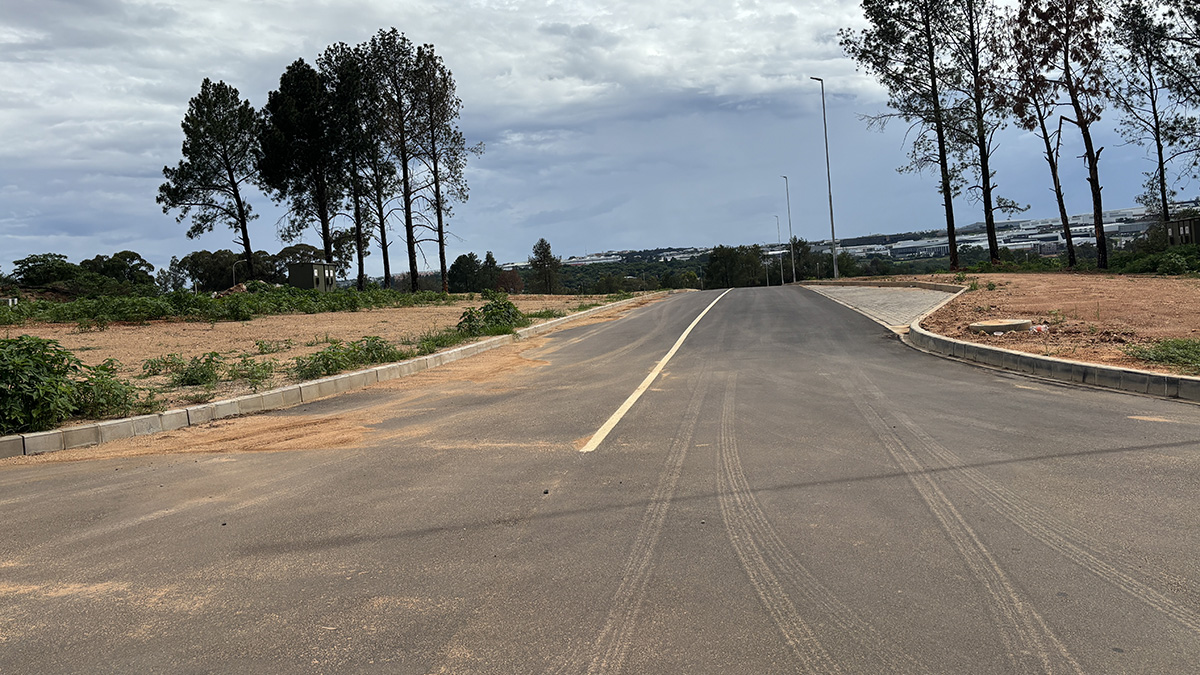
What stands on the land now tells a very different story. It is not a failure exactly, but it is certainly not the city that South Africans were sold.
The promise of a megacity that never arrived
In 2014, Chinese developer Zendai Developments unveiled plans for an R84 billion smart city on land it had bought from chemical giant AECI the year before. The proposal was enormous in scale. It included thousands of homes, a central business district, hotels, shopping centres, hospitals, schools, offices, sports facilities, and even an African cultural theme park.
Technology sat at the heart of the pitch. The city would be digitally connected, environmentally conscious, and designed around living in harmony with nature. Zendai said it would create tens of thousands of permanent jobs and reposition Gauteng as a global investment destination.
Ground was broken in 2015. A small number of residential units and basic infrastructure marked the first step. Then momentum stalled.
Why the dream unravelled
Behind the scenes, the project was already struggling. Funding became a major obstacle as Zendai failed to secure the investment needed to sustain a development of that size. At the same time, tensions grew with the City of Johannesburg, which required the inclusion of 5,000 affordable housing units. Zendai refused, and negotiations faltered.
Later in 2015, company founder Dai Zhikang sold his shares to China Orient Asset Management Company, a state-owned entity that became the controlling shareholder. Those close to the project said Zhikang had simply run out of money.
The new leadership acknowledged that the plan, as envisioned, could not continue. The scale was reduced, then quietly abandoned. By mid-2015, the land was put up for sale.
From global ambition to local reality
By 2017, South African developer M and T Development had taken control of the Modderfontein site as part of a broader deal that included multiple Zendai assets. The price was a fraction of the original dream, but the direction was clear. The futuristic megacity was out. A more conventional suburb was in.
That shift is visible on the ground today.
Instead of skyscrapers and cultural districts, Modderfontein now features residential complexes, office parks, warehouses, and newly built roads. The infrastructure is solid, the streets are in good condition, and construction continues across several pockets of the area.
On a typical Sunday afternoon, there is movement. Cars come and go. Some complexes are already home to residents. Logistics companies, hardware suppliers, and car parts businesses operate out of nearby warehousing space. Billboards advertise units to rent or buy, signalling steady commercial interest rather than bold global ambition.
How South Africans reacted
Online reaction to the transformation has been mixed. Some see it as another example of overpromising and underdelivering in South Africa’s development landscape. Others argue that a functioning suburb with jobs, roads, and occupied buildings is better than an empty monument to failed ambition.
There is also a growing sense that the Modderfontein story reflects a broader lesson. Grand visions do not survive without funding, cooperation with local government, and realistic planning around housing needs. In a city grappling with inequality and infrastructure pressure, the refusal to include affordable housing remains a sticking point for many observers.
What Modderfontein represents now
Modderfontein did not become the New York of Africa. But it did become something else. A practical, working development that fits more comfortably into Johannesburg’s existing urban fabric.
It is quieter. More modest. Less headline-grabbing.
And perhaps that is the real story. In a city known for big ideas and bigger contradictions, Modderfontein stands as a reminder that sustainable progress often looks far less glamorous than the brochures promised.
Follow Joburg ETC on Facebook, Twitter, TikT
For more News in Johannesburg, visit joburgetc.com
Source: MyBroadband
Featured Image: BusinessTech


