Business
Motsoaledi says NHI shift will not force anyone off private medical aid
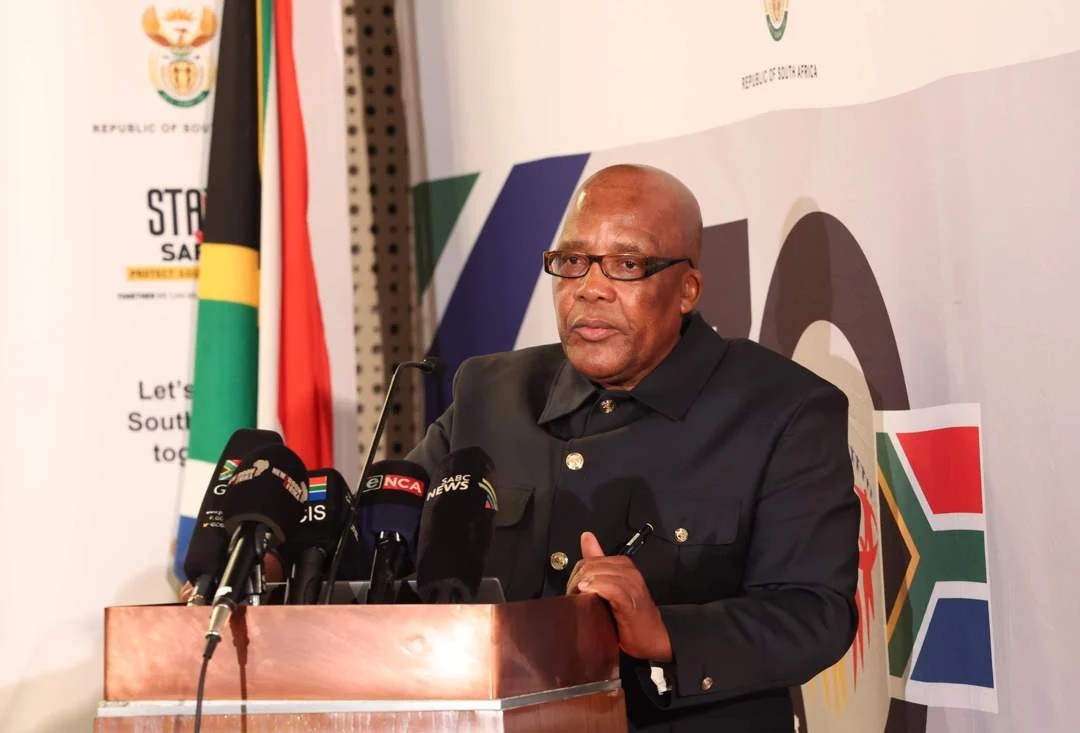
When health budgets and middle-class fears collided this week, Pretoria found itself back at the centre of a charged national debate. The issue at hand is whether scrapping medical-aid tax credits under the newly enacted National Health Insurance Act, 2023 (NHI), would force tens of thousands of South Africans off their private medical schemes. According to Aaron Motsoaledi, that will not happen.
From rebate to redistribution
In a formal reply in Parliament, Motsoaledi addressed growing concerns among medical-aid members and the healthcare industry. He noted that the NHI does not contain any clause compelling people to abandon their existing medical schemes. Tax credits for medical aid simply would be phased out. That in itself does not equal a forced withdrawal from private healthcare. Families and individuals will still be free to choose private or public providers just as before.
Under the plan, some R33 billion now funnelled into medical-aid tax credits could be redirected towards strengthening the public healthcare system. Proponents argue this reallocation might substantially improve services for the majority who rely on public clinics and hospitals, roughly 84–86 percent of the population, while private care continues to serve a minority, estimated at 14–16 percent.
Why many are uneasy
Still, voices from medical-aid funds and middle-class South Africans reliant on these schemes warn that the move may make private healthcare unaffordable. Critics argue that without tax credits, the cost barrier could push lower-income scheme members out, even if not legally forced. Last month, the Board of Healthcare Funders (BHF) cautioned that removing tax credits would hit lower-earning medical-aid members hardest.
The tension stems from South Africa’s longstanding dual-track health system. Private facilities tend to offer shorter waiting times and more resources but come at a premium, while public facilities, accessed by the bulk of the population, remain under-resourced and overstretched. NHI aims to unify access and funding, yet critics worry about funding models and long-term sustainability.
What this could mean for you
If you are currently on private medical aid, there is no immediate obligation to cancel. What might change is the cost, depending on your income bracket and which tax subsidies you currently rely on. But if the reallocated funds indeed bolster public healthcare capacity, then the quality and accessibility of state care could improve for millions who usually have limited options.
For many Joburg households, the outcome may rest on whether public sector reforms deliver on their promise. The hope is that the extra funding doesn’t just widen beds but upgrades infrastructure, reduces wait times, and lifts quality.
Reform of South Africa’s health system is long overdue. This week’s announcement may not look like a dramatic change for those on private aid, but if handled well, it could mark a turning point in making universal quality care a reality for a country long divided by access.
Also read: New VAT Rules Could Push South Africa’s Private School Fees Even Higher
Follow Joburg ETC on Facebook, Twitter, TikT
For more News in Johannesburg, visit joburgetc.com
Source: IOL
Featured Image: News24