Business
Retail giants Pep and Shoprite move into banking, taking on Capitec
South Africa’s banking sector could soon face an unexpected shake-up, not from traditional financial institutions but from the aisles of clothing and grocery stores.
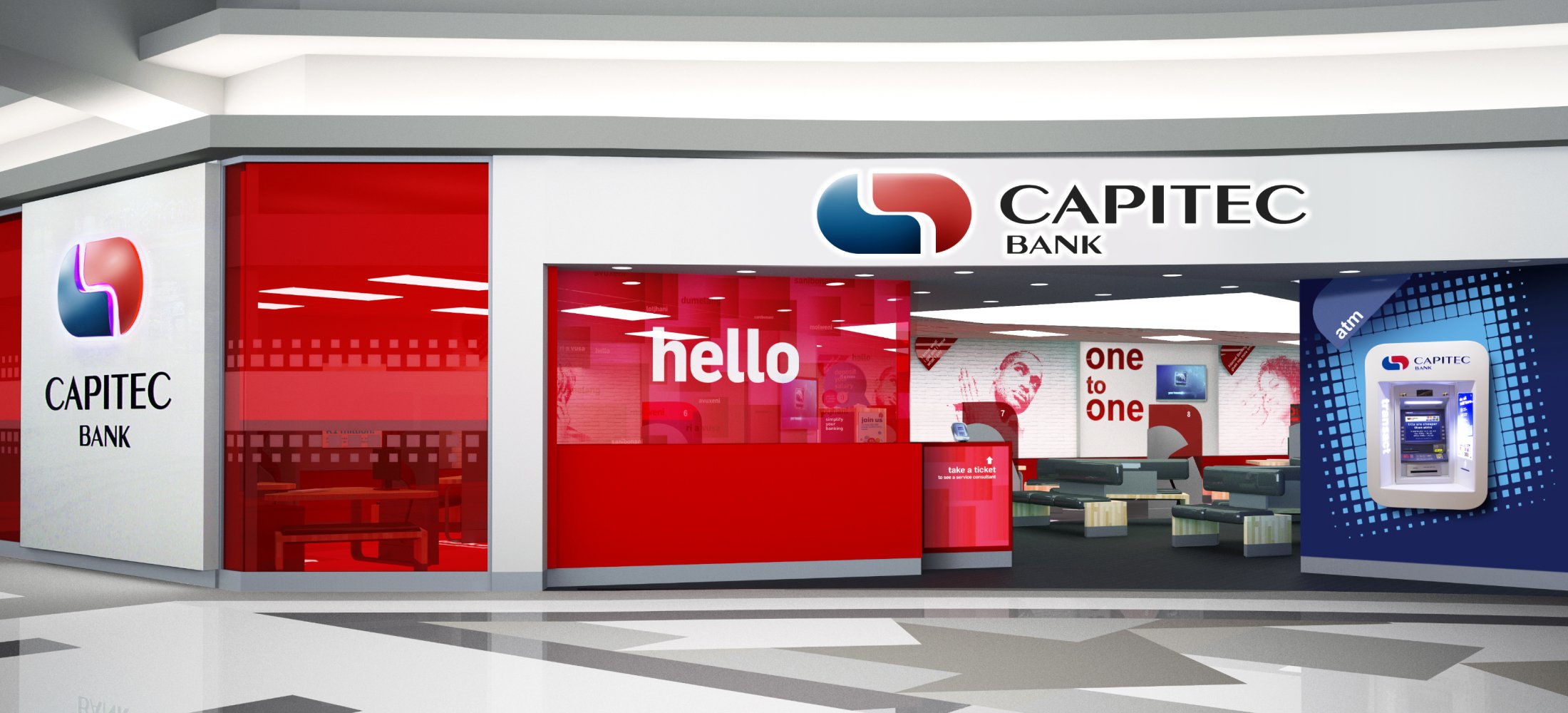
Two of the country’s most recognisable retail names, Pepkor and Shoprite, are steadily moving into financial services. Their ambitions could place them on a direct collision course with Capitec, currently the country’s largest bank by customer numbers.
For millions of South Africans who already pay bills, send money, or buy prepaid services at retail counters, the idea of banking through familiar stores may not feel like such a leap.
Pepkor’s banking ambitions take shape
Pepkor, known for brands such as Pep and Ackermans, is quietly preparing for what could become one of the most ambitious retail banking launches in South Africa.
The company has already received approval from the Prudential Authority to start a banking business. It is now recruiting a banking chief to lead the rollout of what is expected to be called Pep Bank.
If the plan moves ahead as expected, transactional banking services will be introduced across more than 2,500 outlets nationwide. That footprint alone would instantly give the new venture a presence far larger than many traditional banks.
To put that into perspective, Capitec currently operates around 860 branches. Pepkor’s wider retail network spans roughly 6,000 stores across its brands, meaning the potential expansion of its banking services could reach deep into communities across the country.
The retailer has also acquired fintech software company Cloudbadger to power the underlying technology. The platform is expected to support deposits, payments, savings accounts, and loans.
Reports suggest Pep Bank could focus on zero-fee banking services, although the final structure has not been confirmed. Pepkor has also been in discussions with Investec about a possible partnership linked to the venture.
Shoprite’s growing financial ecosystem
Pepkor is not alone in testing the banking waters.
Shoprite has been gradually building its own financial services ecosystem for several years. The group introduced its Money Market transactional account in 2020 with limited functionality.
At first, the retailer appeared cautious about positioning itself as a future bank. More recently, however, its tone has shifted.
Shoprite believes that banking could eventually contribute half of its profits within the next decade.
That confidence is partly driven by rapid growth in its Money Market account. Following a recent upgrade to the platform, the number of users reportedly climbed from four million to six million within just a few months.
Shoprite Group CEO Pieter Engelbrecht has indicated that the product focuses strongly on lower-income households, particularly people receiving social grants.
This is a segment where Capitec currently holds a dominant position. By mid 2025, about 7.6 million social grant recipients were using Capitec accounts. That represents around 40 percent of all grant beneficiaries.
Shoprite may attempt to lure some of these customers with lower banking fees. Because banking would be a secondary revenue stream for the retailer, it could offer competitive pricing that traditional banks may struggle to match.
Comparisons between the Shoprite Money Market account and Capitec’s savings account have already shown that Shoprite’s transactional charges are generally lower.
Why retailers may have an advantage
Retailers like Pep and Shoprite have something that many banks spend years trying to build: everyday trust and visibility.
Their stores sit inside communities where customers already shop for essentials. That proximity means financial services can be offered in places people visit regularly, whether to buy groceries, clothes, or prepaid electricity.
Both retailers also hold valuable consumer spending data, which can help shape financial products tailored to their customers’ habits.
Another potential advantage lies in loyalty programmes and rewards. Integrating banking services with existing retail incentives could create powerful customer retention tools.
For shoppers who already use store accounts or money transfer counters, switching to a store-based bank might feel like a natural extension of services they already trust.
Fintech and telecoms join the race
The pressure on traditional banks is not coming from retailers alone.
South Africa’s major mobile networks are also expanding their financial services ambitions. Both Vodacom and MTN have been investing heavily in mobile money platforms.
MTN’s MoMo service already offers digital payment tools and companion cards through Mastercard. The company has also expressed interest in pursuing a full banking licence.
Meanwhile, regulatory changes could make it easier for these new players to compete.
The South African Reserve Bank is preparing to open parts of the country’s payments system to non-banking entities. One part of this plan involves allowing fintech companies direct access to PayShap through the clearinghouse PayInc.
Lower barriers to entry could make it easier for retailers, telecom operators, and fintech startups to launch competitive financial services.
A new era of banking competition
For decades, banking in South Africa was largely dominated by a handful of established institutions. That landscape may be shifting.
Retailers with thousands of storefronts, millions of loyal customers, and deep insights into consumer spending are stepping into the financial arena. Mobile networks with massive user bases are doing the same.
Whether Pep Bank becomes a major challenger or Shoprite transforms its financial services into a full bank remains to be seen. What is clear is that the definition of a “bank” is changing.
For everyday South Africans, the next banking option might not come from a traditional branch at all. It might come from the same store where they buy groceries or school uniforms.
Follow Joburg ETC on Facebook, Twitter, TikT
For more News in Johannesburg, visit joburgetc.com
Source: MyBroadband
Featured Image: Capitec Bank