Business
Petrol price relief fades as global oil tensions squeeze February cuts
South African motorists started the year with cautious optimism. January brought a stronger rand, easing inflation pressure, and early forecasts hinted at petrol price cuts that could finally feel meaningful. Then the global oil market shifted, fast and hard, and that optimism has taken a knock.
As February approaches, the expected fuel price relief is still coming, but it is now far more modest than what was on the table just weeks ago.
Why petrol price cuts suddenly shrank
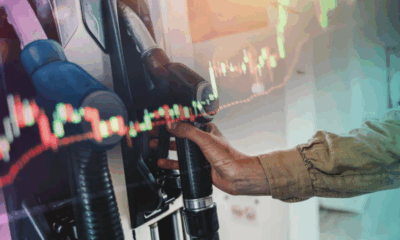
The main culprit is not local. It is oil, and specifically a sharp jump in international prices driven by rising geopolitical tension in the Middle East. Brent crude has climbed more than 13 percent since the start of January, catching markets off guard at a time when many expected oil prices to soften.
The surge is tied to fears of possible military action by the United States against Iran. Traders are increasingly nervous about what any escalation could mean for oil supply, particularly if Iran responds by disrupting shipping routes in the Persian Gulf.
That concern matters far beyond the region. More than 20 million barrels of oil and petroleum products pass through the Strait of Hormuz every single day. It is one of the most critical choke points in global energy supply, and even the threat of disruption is enough to push prices higher.
The numbers motorists need to know
South Africa’s Central Energy Fund, which tracks international oil prices alongside the rand-dollar exchange rate, now projects smaller fuel price cuts for February.
Current estimates point to the following decreases:
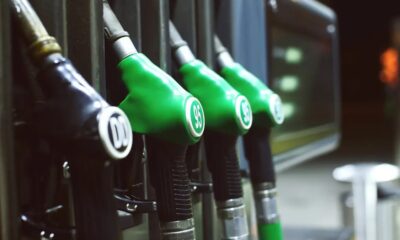
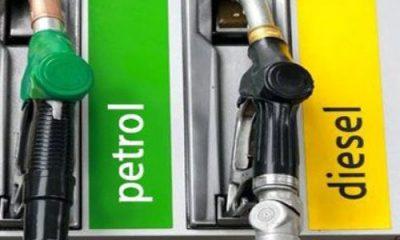
Petrol 93 is expected to drop by 64 cents per litre
Petrol 95 by 66 cents per litre
Diesel 0.05 percent sulphur by 53 cents per litre
Diesel 0.005 percent sulphur by 60 cents per litre
These reductions will still offer some breathing room, especially for households juggling transport costs with food and electricity bills. But they are a far cry from the early January outlook, which suggested petrol could fall by more than R1 per litre and diesel by close to R2.
Why a stronger rand could not save the day
Normally, a firmer rand would soften the blow of rising oil prices. And the rand has had a good run. It has strengthened below R16 to the US dollar for the first time since 2022, helped by global uncertainty and a surge in precious metals prices.
Gold, in particular, has been on a tear, lifting South Africa’s trade balance and giving the currency extra support. On social media, some South Africans even joked that the rand was doing its part, only for oil to spoil the party.
Unfortunately, the oil price jump has simply been too steep. Even with the rand starting 2026 on the front foot, it has not been enough to offset higher crude costs feeding into local fuel prices.

Image 1: Daily Investor
A wider global squeeze on oil supply
Beyond Middle East tensions, oil markets are also reacting to stricter enforcement against so-called shadow fleets. These fleets are used by sanctioned countries like Iran, Russia, and Venezuela to move oil across the globe. Efforts by the United States to clamp down on these operations have added another layer of uncertainty to supply chains.
The result is oil heading for its biggest monthly gain since 2002. This comes despite expectations of a significant surplus in 2026, which had previously been seen as a reason for prices to fall. For now, fear is beating forecasts.
What this means for everyday South Africans
For commuters, delivery drivers, small businesses, and families planning school runs, the message is mixed. There is still relief coming at the pumps in February, just not the kind that reshapes a monthly budget.
The episode is also a reminder of how exposed South Africa remains to global energy shocks. Local factors matter, but international politics and shipping routes can still undo good news overnight.
As things stand, motorists will take what they can get. A cut is a cut. But the days of dreaming about dramatic fuel price drops, at least for now, appear to be on pause.
Follow Joburg ETC on Facebook, Twitter, TikT
For more News in Johannesburg, visit joburgetc.com
Source: Daily Investor
Featured Image: News24