Business
South Africa’s Quiet Comeback: Confidence Is Rising and the Economy Is Strengthening
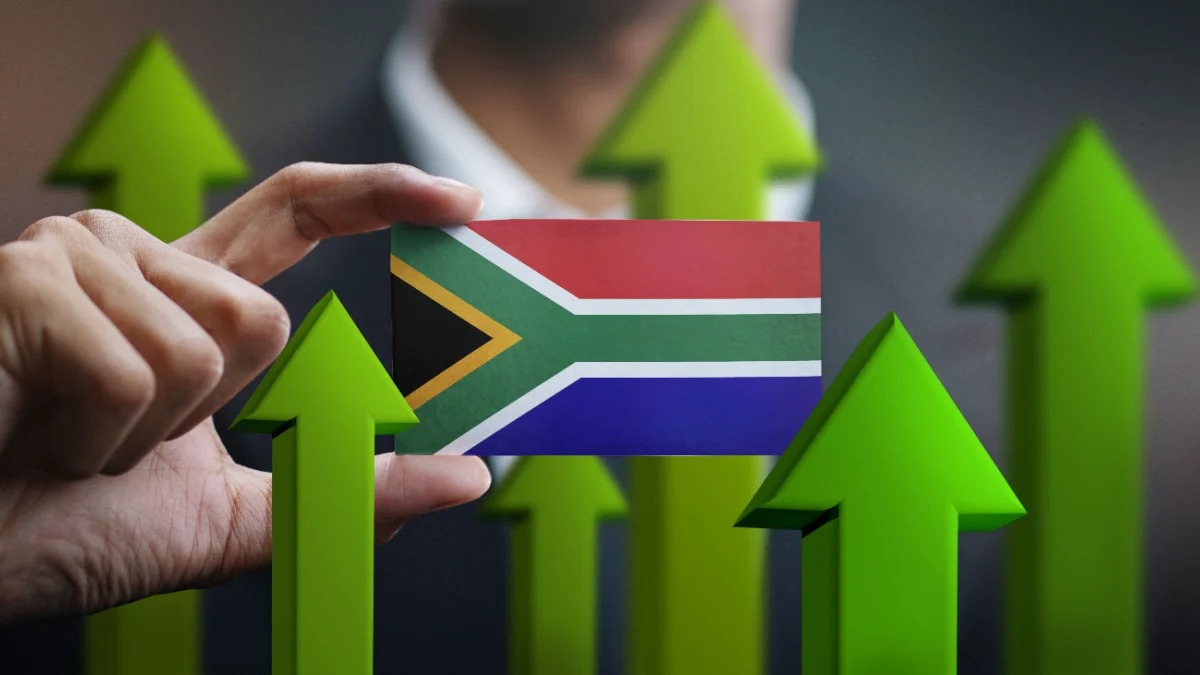
Why confidence is slowly returning to the economy in 2025
It has been a tough ride for South Africans. Load shedding scars linger, inflation has eaten into wallets, and many households are still cautious about spending. Yet beneath the caution is something slowly shifting. New data suggests that South Africa’s economic pulse is getting stronger, even if the improvements are not always visible on the surface.
The latest PayInc Economic Index reveals that the value of electronic payments across South Africa has held steady despite earlier challenges. After six months of consecutive gains, the index paused at 103.1 in November. No drop. No backward slide. Still higher than this time last year and almost double the economic pace recorded in 2024.
The number of transactions tells a similar story. South Africans swiped and tapped 179.9 million times in November. That is a slight dip from the record posted in October, yet still 8 percent more activity than a year ago. More shopping. More online buying. More movement of money. A sign that households and businesses are not frozen in fear.
Confidence is coming back
Independent economist Elize Kruger believes these improvements are no fluke. She points to several major turning points in 2025 that have helped rebuild belief in the future. South Africa is off the grey list. There has been a long-awaited credit rating upgrade. Reforms are being implemented in government budgets. For the first time in a long while, the narrative is starting to feel hopeful.
Confidence is critical because it influences how people choose to act. When businesses believe the worst is behind them, they begin to hire again and invest again. When households feel inflation easing and interest rates softening, they reconsider those big long-term purchases like cars or property. Kruger says these shifts do not deliver instant fireworks, yet the groundwork for healthier growth is being laid.
And that can already be seen in several confidence indicators. Business confidence rose to 44 in the fourth quarter of 2025. Building confidence reached a ten-year high. Vehicle dealers are the most optimistic they have been since 2021. Retail and wholesale sentiment both improved. Even consumer confidence nudged upward from minus 13 to minus 9. Still cautious but less pessimistic.
Reality check: challenges remain
Recovery never comes in a straight line. Some indicators are still signalling trouble. Manufacturing is one of the biggest concerns. Purchasing Managers’ Index readings in November slipped further into contraction territory as local factories struggled with weak demand, tariff pressures, and logistical obstacles.
So while the direction is positive, the climb is far from over.
Why this matters for everyday South Africans
Confidence can feel like a distant economic term, yet it shows up in daily life. More job opportunities open when businesses invest. Homeownership becomes possible when interest rates improve. Consumer spending strengthens local shops and suppliers.
If optimism continues to build through 2026, the ripple effect could reach more households. As Kruger puts it, belief is often the most affordable and powerful economic stimulus.
South Africa is not celebrating a boom just yet. But there is momentum. There is resilience. And importantly, there is movement in the right direction.
The comeback may be quiet, though it is happening.
Also read: What the 2026 Minimum Wage Increase Means for Millions of South Africans
Follow Joburg ETC on Facebook, Twitter, TikT
For more News in Johannesburg, visit joburgetc.com
Source: Business Tech
Featured Image: Daily Investor