Business
Inside the R370 million cost of South Africa’s national shutdown
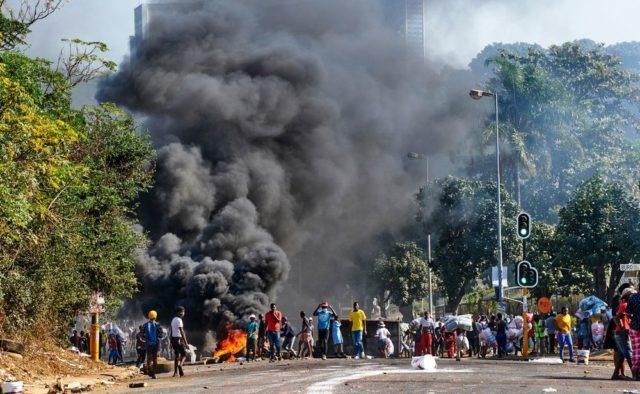
The price of a protest that never arrived
When South Africans woke up on 20 March 2023, many braced for chaos. Roads were expected to close, businesses feared disruption, and the word “shutdown” hung heavily in the air. Almost three years later, a hard number has finally been attached to that anxiety. The attempted national shutdown cost the country R370 million in extra policing operations.
This figure came to light through a parliamentary question, shedding new detail on just how much preparation went into stopping the country from grinding to a halt. While the protest itself largely fizzled out, the bill for preventing it did not.
Where the R370 million actually went
According to the police ministry, the South African Police Service spent R368.1 million directly linked to the shutdown operation. The bulk of this had nothing to do with equipment or crowd control gear. It came down to people and time.
More than R306 million was paid out in overtime. Officers were deployed far from their usual stations, worked extended hours, and qualified for additional benefits. Meals accounted for R51 million, while travel and subsistence costs came in at R10.5 million. A small portion covered miscellaneous operational payments.
In simple terms, keeping thousands of officers on standby across the country for a single day comes at a steep price.
Why police were mobilised so heavily
Acting Minister of Police Firoz Cachalia defended the scale of the operation, saying it was a proactive move to protect citizens and uphold the rule of law. With threats circulating about blocking major roads and targeting businesses, the state opted to prepare for the worst rather than react too late.
Police were tasked with walking a fine line. Protesters had a constitutional right to demonstrate, but everyone else still needed to get to work, school, and hospitals without fear. In that balancing act, authorities chose visible force and early intervention.
What the shutdown was really about
The shutdown was led by the Economic Freedom Fighters and supported by Saftu and a handful of smaller political parties. Public messaging framed it as a stand against everything wrong in South Africa. In reality, two issues dominated the moment.
Load shedding had reached painful levels, disrupting daily life and hammering the economy. At the same time, the Phala Phala scandal continued to cast a shadow over President Cyril Ramaphosa, with calls growing for his resignation. Protesters demanded reliable electricity and political accountability.
Notably absent were some of the country’s most influential structures. Cosatu, taxi associations, and major political parties stayed away, and that absence proved decisive. Without critical mass, the shutdown struggled to gain momentum.
What actually happened on the day
Despite dire predictions, most regions reported minimal disruption. Police confiscated thousands of tyres intended for burning, and officers moved swiftly against anyone who crossed the line.
More than 550 people were arrested nationwide for offences ranging from public violence and intimidation to damage to infrastructure and attempted looting. Gauteng recorded the highest number of arrests, followed by the Northern Cape, Eastern Cape, and Free State.
Official reports later described the protest action as largely peaceful, and for many South Africans, the day passed with little more than tension and heavy police presence.
The long view from 2026
With hindsight, the shutdown feels like a moment that promised upheaval but delivered a bill instead. Load shedding has eased significantly since then, although electricity pricing and ageing local infrastructure remain unresolved pressure points. The Phala Phala matter, meanwhile, still lingers with no clear political resolution.
The R370 million cost raises uncomfortable questions. Was it money well spent to preserve stability, or an expensive insurance policy against a threat that never fully materialised. Either way, it is a reminder that even protests that fall flat can leave a lasting dent in the public purse.
Also read: South Africa considers regulating podcasts as digital media laws evolve
Follow Joburg ETC on Facebook, Twitter, TikT
For more News in Johannesburg, visit joburgetc.com
Source: Business Tech
Featured Image: BusinessTech