Business
Ramaphosa approves R100,000 salary increases for South Africa’s ministers
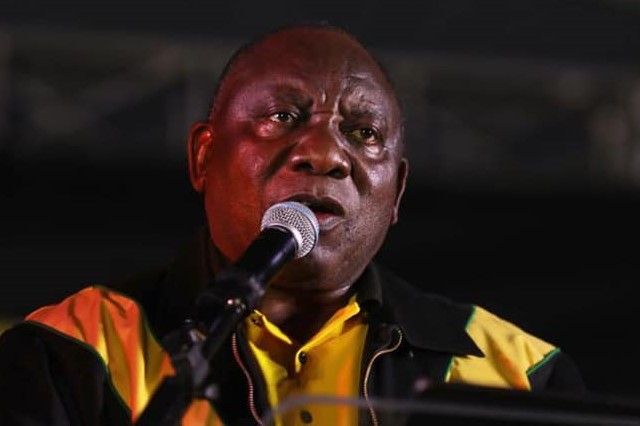
President Cyril Ramaphosa has officially approved a new round of salary increases for South Africa’s top politicians, and the numbers are already stirring strong reactions across the country.
From ministers and MPs to provincial premiers, the approved adjustments mean pay rises of tens of thousands of rand at a time when many South Africans are still feeling the pinch of rising living costs, electricity tariffs, and service delivery challenges.
What was approved and who benefits
The increases kick in at 3.8 percent for members of the National Executive and Parliament. This applies to ministers, deputy ministers, and Members of Parliament. Provincial legislatures received a slightly higher increase of 4.1 percent.
For ministers, the adjustment translates into an annual salary of just under R2.8 million, an increase of just over R100,000. Deputy ministers will now earn about R2.29 million a year, while MPs see their pay rise to around R1.32 million.
At provincial level, premiers will earn about R2.63 million annually, with Members of Provincial Legislatures earning just over R1.28 million.
Why the increase went ahead
The decision follows recommendations from the Independent Commission for the Remuneration of Public Office Bearers, which assessed inflation trends and broader economic conditions. Inflation slowed notably over the past year, dropping from earlier projections of 4.5 percent to around 3.5 percent by year-end.
The commission argued that a realistic inflation range for the 2025 to 2026 financial year sits between 3.5 and 4.5 percent. The approved increases fall within this band and remain above inflation, although they are lower than the 5.5 percent wage hike agreed for public servants from April 2025.
A sensitive moment for public trust
While technically justified, the timing has sparked debate. On social media, many South Africans have questioned how political leaders can justify above-inflation increases when unemployment remains high and households are cutting back on essentials.
The phrase “millionaire ministers” has trended in online discussions, with critics pointing to persistent service delivery issues and strained municipal budgets. Others have defended the decision, arguing that political salaries should remain competitive to attract experienced leaders and reduce corruption risks.
The president’s own pay still undecided
Interestingly, while Ramaphosa signs off on increases for ministers and MPs, his own salary is not automatically approved. That decision rests with Parliament.
The commission has recommended a 4.1 percent increase for the president, which would raise his salary from about R3.35 million to roughly R3.5 million per year, but MPs will have the final say.
The bigger budget picture
Despite public concern, government data shows that the wage bill has been shrinking as a share of overall spending. It has fallen from nearly 36 percent of consolidated expenditure a decade ago to just over 32 percent in recent years, with projections showing a further decline by 2027.
Even so, it remains one of the state’s largest expenses, which is why every increase attracts scrutiny.
As South Africa heads deeper into a challenging economic cycle, the approval of these salary hikes highlights the growing tension between fiscal management, political accountability, and public perception. Whether this decision helps or harms trust in leadership may depend on what citizens see delivered in return.
Also read: Inside the R370 million cost of South Africa’s national shutdown
Follow Joburg ETC on Facebook, Twitter, TikT
For more News in Johannesburg, visit joburgetc.com
Source: Business Tech
Featured Image: African Insider