Ramaphosa pins SA’s recovery hopes on record R1 trillion infrastructure drive
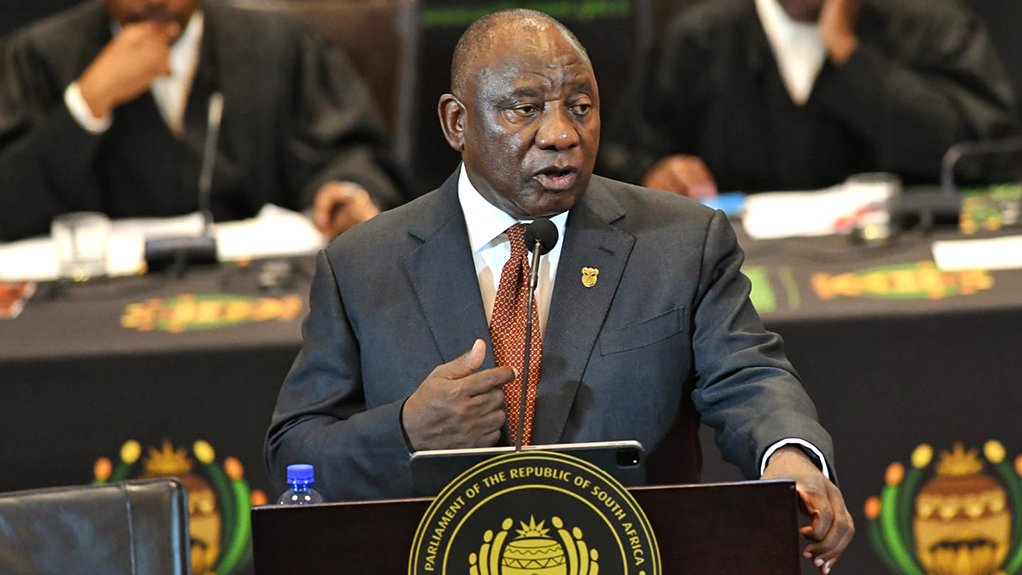
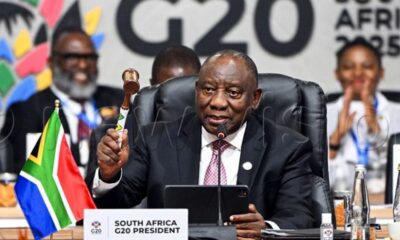
If you listened closely to President Cyril Ramaphosa during his 2026 State of the Nation Address in Cape Town, one number stood out above the rest: R1 trillion.
It’s the largest public infrastructure commitment in South Africa’s history, and according to the president, it’s not just about pouring concrete or laying railway lines. It’s about rebuilding confidence in an economy that has stumbled through years of low growth, rolling blackouts and missed opportunities.
This time, Ramaphosa says, government is betting big.
More than bricks and mortar
The R1 trillion infrastructure investment, driven under the Government of National Unity (GNU), is being framed as a turning point. The president described it as a “transformative” push to reverse declining fixed investment and break out of stagnant growth.
The money will flow into energy, water systems, transport networks and digital infrastructure, the backbone sectors that determine whether businesses thrive or fail.
Through the Infrastructure Fund and updated public-private partnership (PPP) regulations, government hopes to crowd in private capital rather than shoulder the burden alone. The idea is simple: reduce risk for investors, streamline approvals and get projects moving faster.
In a country where half-built projects and stalled tenders have become symbols of dysfunction, that promise carries weight.
The bond that turned heads
Perhaps the clearest sign of renewed optimism was the launch of South Africa’s first infrastructure bond. According to Ramaphosa, it was more than twice oversubscribed, meaning demand from investors exceeded the amount on offer.
For a nation that was greylisted by the global financial watchdog just a few years ago, that’s no small feat. South Africa’s removal from the Financial Action Task Force greylist helped steady nerves in global markets. Add to that a stronger rand and improved sentiment on the Johannesburg Stock Exchange, and government sees proof that confidence is returning.
The rand has recently touched levels last seen in mid-2022. While part of that strength is linked to a weaker US dollar, domestic reforms have also played a role.
Four consecutive quarters of GDP growth and two primary budget surpluses have given Treasury breathing room. Inflation is at its lowest in two decades, and interest rates are edging down. Ramaphosa called this moment a “unique window of opportunity”.
The question is whether South Africa can seize it.
Energy and logistics in the spotlight
The infrastructure blitz places energy and logistics front and centre.
With load shedding officially declared over, attention has shifted to finalising reforms at Eskom, including the creation of an independent transmission entity. The long-term aim is to stabilise electricity supply while opening space for more private generation.
On the logistics front, government is leaning into partnerships. Private rail operators are being introduced, and a concession agreement has been concluded for the Durban Pier 2 Container Terminal, one of the busiest gateways on the continent.
Ramaphosa made it clear: the state will retain ownership of strategic assets, but private sector expertise and capital are now seen as essential to restoring South Africa’s ports and rail network to global standards.
For exporters who’ve battled delays and bottlenecks, that shift could be game-changing.
Corruption: the elephant in the room
No infrastructure speech in South Africa is complete without confronting corruption. Ramaphosa acknowledged the “cancer” of graft, particularly in procurement processes that have delayed or derailed critical projects.
To speed up disputes that hold up development, government plans to establish specialised commercial courts with dedicated judges and court rolls. The aim is to resolve tender-related cases quickly so projects don’t sit idle for years.
New regulations under the Public Procurement Act are also expected by mid-2026, tightening the rules around how public contracts are awarded.
On social media, reaction to the trillion-rand pledge has been mixed. Some South Africans see a bold reset, especially under the GNU, which many hoped would stabilise policy direction. Others remain sceptical, arguing that announcements have often outpaced implementation.
It’s a fair concern. South Africa has announced ambitious infrastructure drives before, only to see them slowed by red tape, corruption or political infighting.
A gamble on growth
Ramaphosa’s message was clear: infrastructure is the lever that can lift growth, reduce inequality and address historic injustices.
Better rail and ports mean faster exports. Reliable power means factories can operate without interruption. Upgraded water systems mean fewer service delivery protests. Digital expansion means new industries and jobs.
In short, infrastructure is the skeleton of a functioning economy.
The R1 trillion commitment is not just a spending plan, it’s a wager that South Africa can rebuild itself through partnership, discipline and smarter funding models.
Whether this becomes the decade of cranes on skylines and trains running on time or another chapter of unrealised ambition, will depend on execution.
For now, the president has placed his bet.