Business
The rand steadies as global investor confidence begins to turn
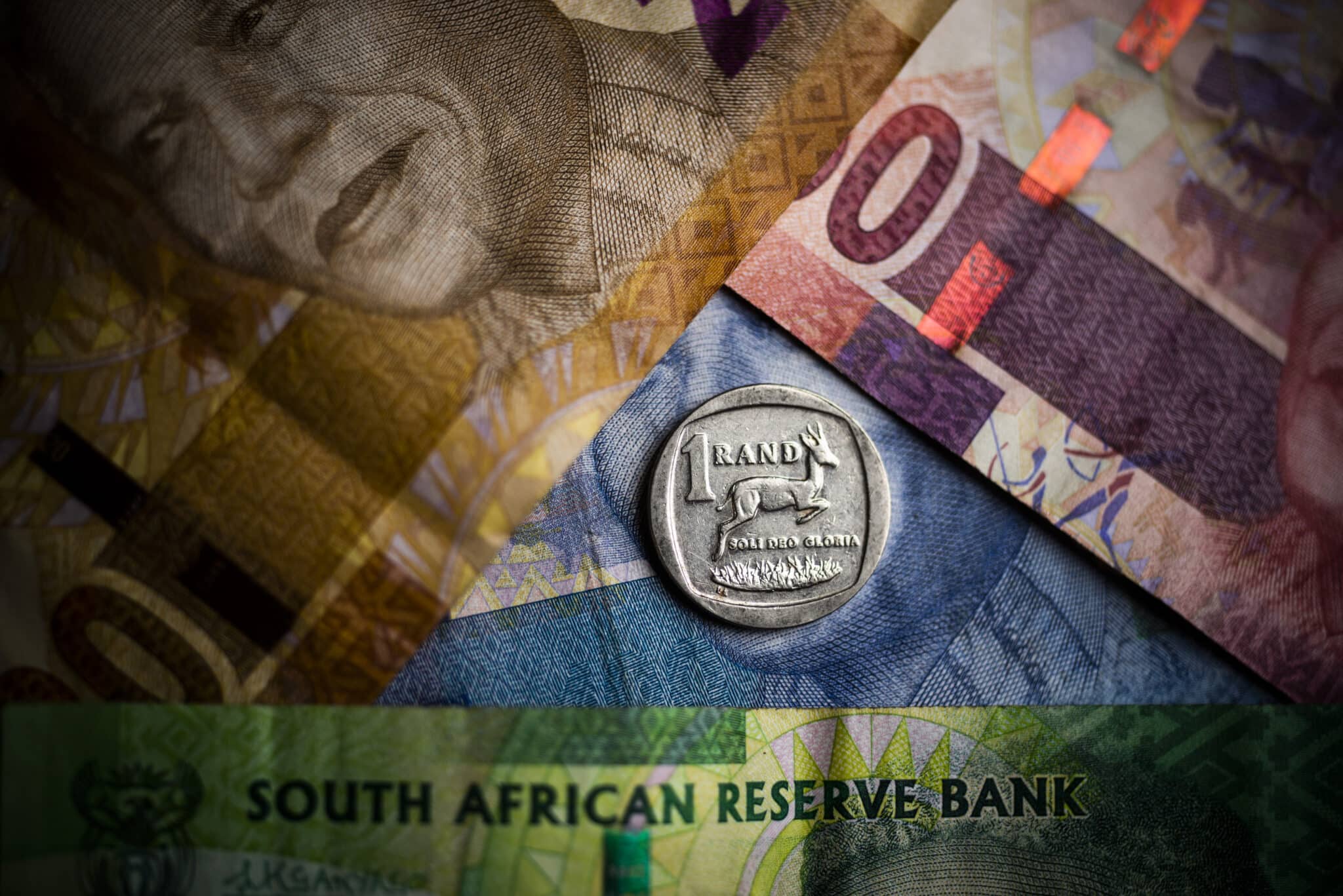
For anyone who tracks the rand daily, the last few years have felt like riding a taxi through peak-hour traffic. Sudden jolts, nervous glances at global headlines, and the constant question of what might break next. Early 2026, however, is offering a rare moment of calm.
After a long stretch of global uncertainty, the South African rand has begun to show signs of steadier ground. It is not a dramatic comeback story but rather a subtle shift that reflects changing moods in international markets and a growing belief that South Africa’s economic direction is improving.
A mixed performance that tells a bigger story
On the surface, the rand’s recent performance looks uneven. Over 2025, it weakened slightly against the euro and the pound. At the same time, it strengthened against the US dollar, gaining around 2.5 percent year on year. This happened alongside a softer dollar, which lost ground globally as expectations built around further US interest rate cuts.
According to Investec chief economist Annabel Bishop, this mix of gains and losses reflects a currency that is no longer in free fall but still sensitive to global forces. The rand’s move towards roughly R16.53 to the dollar, from levels above R19 previously, has become a talking point among traders and everyday South Africans alike.
On local finance Twitter and WhatsApp groups, the reaction has been cautious optimism. Not quite a celebration, but a sense that the worst volatility may have eased for now.
Why investors are feeling calmer about South Africa
One of the clearest signals of improved confidence lies in South Africa’s risk profile. The country’s credit default swap rate has dropped sharply over the past year, falling to around 135 basis points from nearly 200. In simple terms, investors now see South Africa as less risky than they did a year ago.
Bond markets are echoing that message. The benchmark ten-year government bond yield has eased to about 8.36 percent, a notable improvement from the almost 11 percent levels seen at the start of 2023. Lower yields usually point to stronger trust in a country’s ability to manage its finances.
For ordinary South Africans, this matters more than it sounds. Improved confidence can translate into lower borrowing costs over time, more stable prices, and a better environment for investment and job creation.
Global mood swings are lifting local currencies
The rand is also benefitting from a broader change in global investor sentiment. Towards the end of 2025, international markets turned more positive, especially in the United States. Indicators such as the S&P Global Investment Manager Index showed a sharp rise in risk appetite, reaching its strongest level since late 2024.
When investors feel more comfortable taking risks, they tend to move money into emerging markets like South Africa. That inflow supports the rand and helps smooth out extreme currency swings.
Modest growth, but a longer-term plan
At home, South Africa’s economy is still growing slowly. GDP expanded by just 0.5 percent quarter on quarter in the third quarter of 2025. On its own, that number does not inspire excitement. What has changed is the longer-term outlook.
The second phase of Operation Vulindlela is widely expected to unlock growth by tackling energy, logistics, and regulatory bottlenecks. Projections suggest economic growth could reach around 3 percent by 2030 if reforms stay on track.
Lower inflation has also opened the door to reduced interest rates, creating a more supportive environment for households and businesses.
Trade politics remain the wildcard
Not everything is settled. Global trade dynamics continue to pose risks, particularly as the US Supreme Court considers the future of tariffs introduced under emergency economic powers. Any shift in US trade policy could ripple through global markets and affect emerging market currencies, including the rand.
For now, though, the balance has tipped slightly in South Africa’s favour.
A cautious calm, not a victory lap
The rand’s recent stability is less about triumph and more about breathing space. It reflects improving global confidence, a softer dollar, and signs that South Africa’s reform story is starting to convince investors again.
For South Africans watching prices, petrol costs, and interest rates, this steadier currency offers something valuable. A little less uncertainty, and a reminder that confidence, once lost, can slowly be rebuilt.
Also read: The Killer in Your Glass: Inside South Africa’s R25 Billion Illicit Alcohol Industry
Follow Joburg ETC on Facebook, Twitter, TikT
For more News in Johannesburg, visit joburgetc.com
Source: IOL
Featured Image: CNBC Africa