Business
The rand’s three-year high is finally easing South Africa’s cost of living
A rare moment of relief after a tough festive season
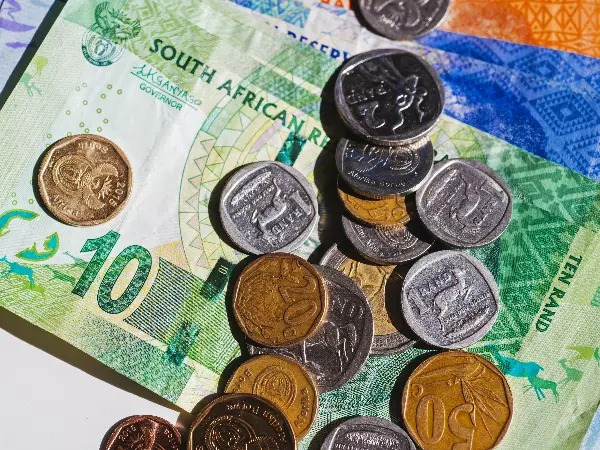
January usually arrives with debit orders, school fees, and a financial hangover. This year, though, many South Africans are noticing something different. The rand has quietly staged one of its strongest recoveries in over a decade, and the effects are already filtering into everyday life.
By mid-January, the local currency was trading around R16.42 to the US dollar. That is territory not seen in more than three years, and it marks a sharp turnaround from the wild swings that became normal during the pandemic and subsequent global shocks.
For households watching every rand and cent, this recovery matters far beyond currency charts.
Why the rand is suddenly holding its ground
The rand has gained about 14 percent so far this year, making it its best annual performance since 2009. Currency analysts say this strength is not accidental. Record precious metal prices have supported South Africa’s export earnings, while global investors appear more comfortable taking risks again.
Andre Cilliers from TreasuryONE has pointed out that the currency has remained resilient despite ongoing geopolitical tensions abroad. At the same time, Investec chief economist Annabel Bishop notes that the rand is showing strength in its own right, not just because the US dollar has softened.
There is also a geopolitical angle. With rising conflict concentrated in the northern hemisphere, some investors are reassessing countries like South Africa, which is geographically removed from many flashpoints. That shift has helped reframe how risk is priced in local markets.
Fuel prices finally moving in the right direction
For most people, the rand’s comeback becomes real at the petrol station. Earlier this month, the Department of Mineral and Petroleum Resources confirmed a broad fuel price reduction, driven by a stronger rand and lower Brent crude prices.
Petrol users saw meaningful relief, with 93 and 95 unleaded dropping by more than 60 cents per litre. Diesel users benefited even more, with wholesale prices falling by well over a rand per litre depending on sulphur content.
Social media reaction has been telling. Motorists are cautiously optimistic, sharing photos of fuel price boards and joking that it feels like a throwback to earlier years when monthly hikes were not guaranteed. There is relief, but also realism, shaped by years of volatility.
Inflation pressure starts to ease
Cheaper fuel does not just help drivers. It feeds into transport costs, food prices, and the broader inflation picture. Johann Els from PSG Financial Services has highlighted the stronger rand as one of several factors supporting lower inflation, alongside softer interest rates and improved consumer spending.
This shift is important because inflation has been one of the biggest pressures on South African households over the past few years. Even small improvements can change how far a salary stretches by month end.
What this means for interest rates and your bond
There is growing optimism that interest rate relief could follow. According to Annabel Bishop, the South African Reserve Bank may cut rates twice this year.
Markets are already fully pricing in one 0.25 percentage point cut, expected around March. A second cut of the same size later in the year is only partially priced in, which has actually helped keep investor sentiment towards the rand positive.
South Africa has already reduced interest rates by 1.50 percentage points since September 2024. The prime lending rate currently sits at 10.5 percent, still high, but moving in a more hopeful direction for homeowners and borrowers.
A cautious but welcome turning point
No one is pretending that a stronger rand solves all of South Africa’s economic challenges. Jobs, service delivery, and long-term growth remain pressing issues. But this moment does matter.
For now, the rand’s three-year high is offering something rare. A sense of pause. A bit of breathing room. And for many households easing into a new year, that alone feels like a small win worth noticing.
Follow Joburg ETC on Facebook, Twitter, TikT
For more News in Johannesburg, visit joburgetc.com
Source: IOL
Featured Image: IG