Business
Rand slips past R16 as US rate uncertainty shakes markets
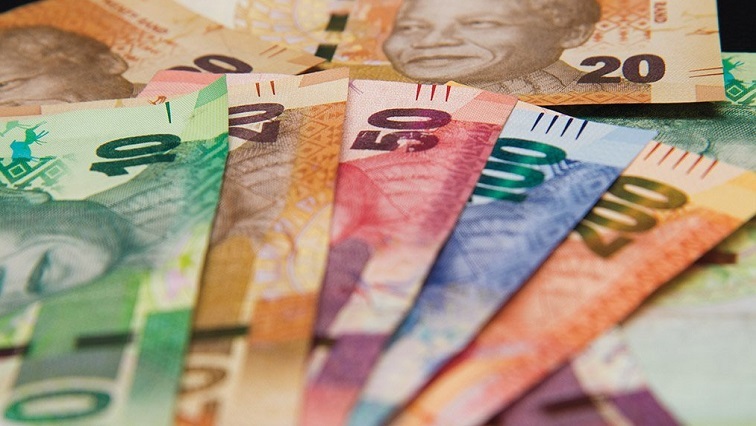
For much of this year, South Africans had grown used to a steadier rand. It was not spectacular, but it felt calmer. Then came a fresh reminder that when the United States shifts direction, emerging markets feel it first.
The local currency slipped back beyond R16.00 to the dollar after new signals from the US Federal Reserve suggested interest rates in the world’s largest economy may stay higher for longer.
According to Investec Chief Economist Annabel Bishop, the Fed’s latest stance has strengthened the dollar and placed renewed pressure on currencies like the rand.
Minutes that unsettled markets
The shift followed the release of minutes from the late January meeting of the Federal Open Market Committee, the body responsible for setting US interest rates.
Policymakers debated not only when to cut rates but also whether further hikes might still be necessary if inflation proves stubborn. That discussion unsettled financial markets, which had grown increasingly comfortable with the idea that monetary easing was around the corner.
For much of 2025, especially in the fourth quarter, risk appetite improved globally. Investors were willing to back emerging markets again. But the mood turned at the end of January when Kevin Warsh was nominated as the next Federal Reserve chair.
Warsh is widely viewed as hawkish on inflation. That alone was enough to make traders reconsider expectations of swift rate cuts.
The Fed minutes reinforced those concerns. Policymakers signalled that inflation risks remain elevated and could justify tighter policy if price pressures fail to ease convincingly. They also expressed confidence in the strength of the US labour market, reducing the urgency to stimulate the economy.
In simple terms, there is no rush to cut.
Why the rand feels it first
When US interest rates stay high, global investors are drawn to dollar assets. The higher returns make the United States more attractive, often at the expense of emerging markets.
That dynamic leaves currencies like the rand vulnerable. As the dollar strengthened following the release of the minutes, the rand weakened almost immediately.
Back home, social media reaction reflected familiar frustration. South Africans know the pattern well. A stronger dollar filters through to fuel prices, imported goods, and overall inflation expectations. Even those who do not follow central bank minutes closely feel the impact at the petrol pump and grocery store.
Political crosswinds in Washington
The picture is not entirely straightforward. US President Donald Trump has indicated a preference for lower borrowing costs. Warsh has also suggested that technological productivity gains from artificial intelligence could allow for easier monetary policy.
However, not all central bankers share that optimism. Markets appear unconvinced that rapid cuts are imminent.
For now, investors are in a wait-and-see mode. The next Federal Reserve meeting in mid-March is expected to leave rates unchanged, but updated projections will provide further insight into how policymakers view inflation and growth. Another meeting follows in late April, with a leadership transition scheduled for May.
Current market pricing still points to two US rate cuts this year, one around July and another near December. Yet analysts note that traders may not have fully digested the tone of the latest minutes.
A sensitive second half ahead
For South Africa, the uncertainty means the rand is likely to remain sensitive to shifts in US monetary policy well into the second half of the year.
Bishop cautions that global capital remains cautious while the outlook for US rates is unclear. With expectations shifting further out and incoming leadership not necessarily aligned with all committee members, volatility could persist.
For local households and businesses, that means keeping an eye not just on domestic policy but on developments in Washington. In a globally connected financial system, even a debate in a US boardroom can ripple through to the tills in Johannesburg.
The rand’s latest wobble is not just about exchange rates. It is another reminder that in 2025, global confidence can turn quickly, and South Africa remains tightly linked to the mood of the dollar.
Follow Joburg ETC on Facebook, Twitter, TikT
For more News in Johannesburg, visit joburgetc.com
Source: Business Tech
Featured Image: Channel Africa