Business
The Rand’s 2025 Comeback and Why It Matters for 2026
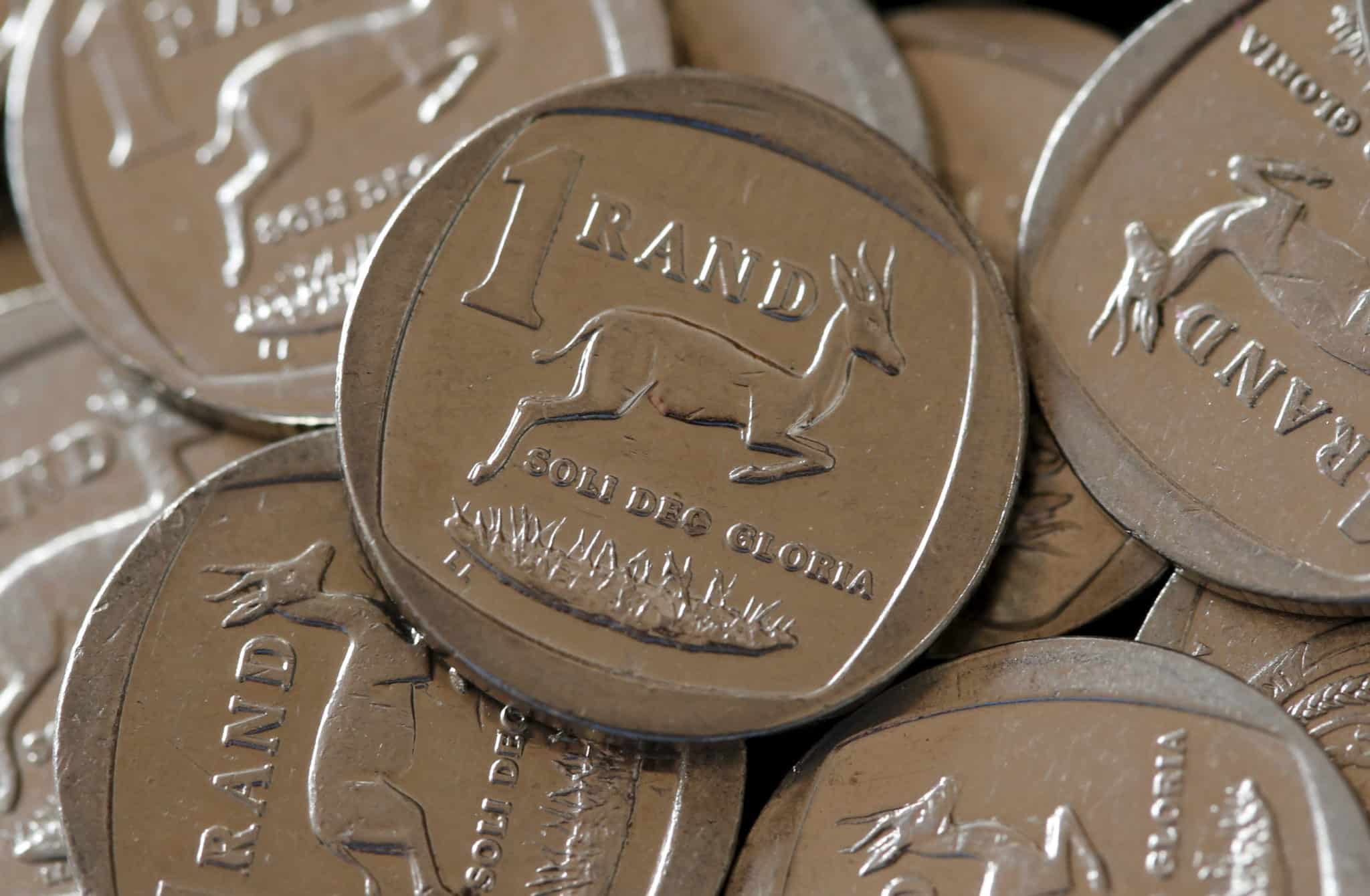
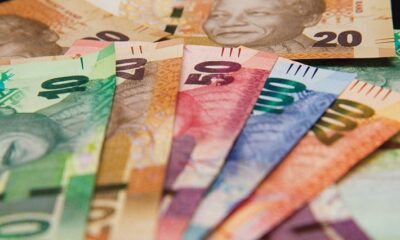
Not so long ago, the rand was the punchline of dinner table jokes. Now it is suddenly the overachiever in the emerging market class.
The South African currency has climbed to its strongest level against the US dollar in more than three years, surprising even seasoned traders. After a turbulent stretch marked by power cuts, political uncertainty, and global shocks, the rand has staged a comeback that feels almost unreal to many South Africans watching petrol prices and imported goods.
So what changed, and is this strength here to stay?
A calmer currency than anyone expected
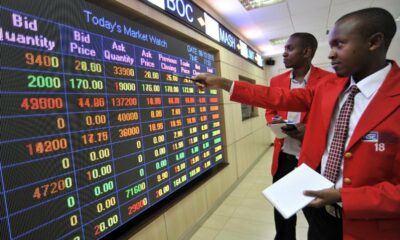
One of the clearest signs that the rand’s rally has legs is how calm traders appear to be. Measures of expected volatility for the rand-dollar exchange rate have dropped to their lowest levels in nearly 25 years. In simple terms, the market is not bracing for wild swings.
Options traders are also paying the least they have in months to protect against rand weakness. That suggests confidence rather than fear is driving the current mood.
The rand gained roughly 14 percent against the dollar during 2025 and continued strengthening into this year. Precious metal prices have played a major role, especially gold, which remains a cornerstone of South Africa’s export basket. Add to that improving global sentiment and a credit rating upgrade from S&P Global Ratings late last year, and the picture starts to make sense.
“I think the rand can maintain its strong performance,” said Sergei Strigo, a portfolio manager at Amundi UK Ltd, pointing to supportive trade conditions and broadly bullish markets.
Why global money suddenly likes South Africa again
International investors have quietly returned to South African assets. The cost of insuring the country’s debt against default is now at its lowest level since 2012, a powerful signal that risk perceptions have shifted.
Local bonds tell a similar story. The yield on South Africa’s 10-year government bond has dropped to its lowest level in a decade after falling more than 200 basis points since early last year. Lower yields usually mean higher prices, which in turn reflect stronger demand from investors.
Another big tailwind has come from the United States. Expectations that the Federal Reserve will cut interest rates have weakened the dollar globally. That has given high-yielding currencies like the rand extra breathing room.
In fact, the rand has delivered the best return among emerging market currencies in the popular dollar-funded carry trade over the past month. London-based trader Hironori Sannami from Mizuho Bank has even said he prefers the rand over Latin American peers due to geopolitical risks in that region.
The reality check South Africans should not ignore
Despite the upbeat headlines, economists are urging caution.
According to Annabel Bishop from Investec, the rand’s gains need to be viewed in context. The US dollar itself weakened by about 3.3 percent year-on-year in 2025. Against that backdrop, the rand only strengthened by around 2.5 percent.
When measured against a broader basket of South Africa’s major trading partners, including the euro and the pound, the rand actually lost ground last year. It was weaker against the euro and slightly softer against sterling.
This does not mean the rally is fake. It simply means the story is more nuanced than a single exchange rate suggests.
What has genuinely improved is sentiment. Global investors feel more optimistic about growth, inflation, and interest rates, both internationally and in South Africa. That shift alone can move currencies significantly.
What this means for everyday life in Joburg
For Joburgers, a stronger rand does not magically fix the cost of living. But it can ease pressure at the margins. A firmer currency helps contain fuel prices, imported food costs, and some consumer electronics. It also signals confidence in the broader economy, which matters for jobs and investment.
On social media, the mood has been cautiously upbeat. Many South Africans remain sceptical after years of volatility, joking that they will only believe in the rand’s strength once it survives the next global wobble.
For now, though, the currency once written off as hopeless has reminded markets that it still has a pulse. Whether this hero moment turns into a long-running series will depend on global rates, commodity prices, and South Africa’s ability to keep rebuilding trust.
Also read: Why 2026 Could Bring Interest Rate Relief for South Africans
Follow Joburg ETC on Facebook, Twitter, TikT
For more News in Johannesburg, visit joburgetc.com
Source: Business Tech
Featured Image: CNBC Africa