Business
Why electric cars are winning over South African drivers
For years, electric cars have been sold to us as the greener choice. Cleaner air. Smaller carbon footprints. A way to feel slightly less guilty every time we press the accelerator.
But if you ask South African drivers why they are actually making the switch, the answer is far more practical. And far more interesting.
Across local EV owner communities, the message is clear. It is not just about saving the planet. It is about saving money, enjoying better performance, and driving something that simply feels more advanced.
It starts with the petrol price
Let’s be honest. South Africans are acutely aware of what it costs to fill up a tank. Every fuel price announcement becomes a national talking point.
In a recent poll conducted among South African EV owners, 74 percent said lower running costs were the main reason they chose electric. That is a landslide.
At current electricity tariffs, driving an EV costs roughly half as much per kilometre as an equivalent petrol car. And that assumes you are charging straight from the grid. For households with solar panels, the effective cost drops even further.
In a country where many families are juggling rising food, transport, and energy costs, that difference matters. It is not abstract. It shows up in monthly budgets.
Performance that turns heads
There is also the thrill factor.
Take the Volvo EX30, for example. In its top specification twin-motor version, it produces 315kW and 543Nm of torque. It sprints from 0 to 100 kilometres per hour in just 3.6 seconds. At under R1 million, that makes it the quickest and most powerful car in its price bracket locally.
When it launched, the closest petrol rival in terms of acceleration and output was the Ford Mustang 5.0 V8, and that came in at roughly R300,000 more.
That is not a small gap.
Globally, leaders like Marc Winterhoff of Lucid Motors have argued that the industry should stop focusing only on environmental messaging. Instead, they should highlight the technology, range, acceleration, and overall driving experience.
His own example compares the Lucid Gravity Grand Touring SUV to high-end petrol models like the Mercedes-AMG GLS 63, BMW X7 M60i and Porsche Cayenne GTS. The point is simple. In many cases, similarly priced EVs deliver more power, faster acceleration, and impressive range, without the heavy fuel consumption required to match that performance in a petrol car.
Local buyers seem to understand this instinctively. In the same South African poll, 12 percent said faster acceleration was their main motivator. It may not be the majority, but it is a significant factor.
So what about the environment?
Here is where things get nuanced.
Only 6 percent of respondents in the poll said environmental impact was their single most important reason for buying an EV. However, in a separate survey, 58 percent said it was still an important factor in their decision.
That tells us something important. It may not be the primary driver, but it remains part of the equation.
South Africa’s electricity grid, largely powered by coal through Eskom, does have a high carbon footprint. Latest data shows Eskom produces roughly 0.94 tonnes of carbon dioxide per megawatt hour of electricity. That works out to about 0.94 kilograms per kilowatt hour.
An average EV uses around 19kWh per 100 kilometres. That translates to roughly 0.1786kg of carbon dioxide per kilometre driven.
By comparison, the average petrol car in South Africa consumes about 7.4 litres per 100 kilometres. Once you account for burning the fuel and the full production chain, each litre effectively produces around 3.2kg of carbon dioxide. That works out to about 0.2368kg per kilometre.
In simple terms, the average petrol car emits around 33 percent more carbon dioxide per kilometre than the average EV, even when the EV is charged using Eskom electricity.
Yes, manufacturing an EV has a higher upfront environmental cost. But over the typical lifetime of a vehicle, the lower running emissions offset that difference.
The everyday advantages
Beyond cost and emissions, EV owners also point to day-to-day benefits.
| Advantage | How EVs compare |
|---|---|
| Power output | Generally higher than similarly priced petrol models |
| Acceleration | Typically faster off the line |
| Driving experience | Smooth, no gear changes |
| Running cost | About half the per-kilometre cost in South Africa |
| Maintenance | No oil, spark plugs or oil filters; less brake wear |
| Noise | Noticeably quieter |
There are trade-offs. Tyre wear can be higher due to instant torque. But for many drivers, the overall package feels modern and future-focused.

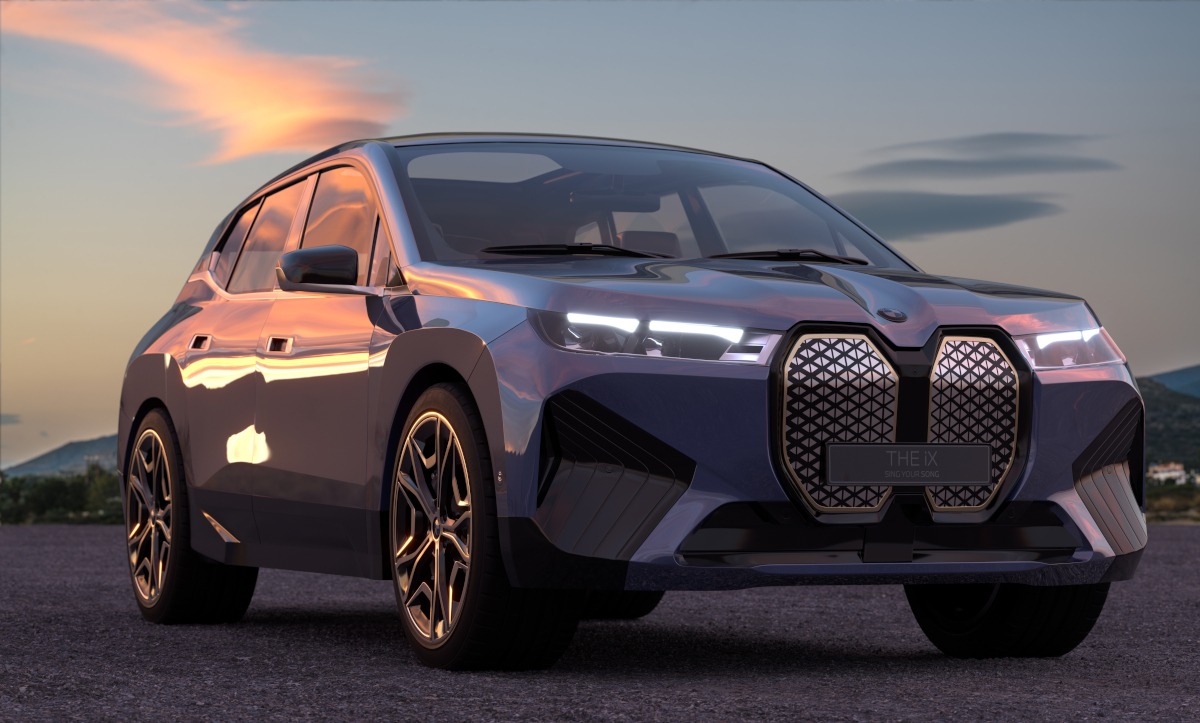
Image 1: MyBroadband
A shift in mindset
What this all reveals is a shift in how South Africans think about electric cars.
The early narrative was about saving the planet. The current reality is about value. People want better performance for their money. They want lower monthly costs. They want technology that feels ahead of its time.
Environmental impact still matters. But it is no longer the headline reason.
In a country that has endured years of load shedding, volatile fuel prices, and rising living costs, practicality wins. And right now, for many drivers, electric simply makes sense.
Follow Joburg ETC on Facebook, Twitter, TikT
For more News in Johannesburg, visit joburgetc.com
Source: MyBroadband
Featured Image: BusinessTech