Business
R16,000 ‘free internet’ row for SA schools sparks national debate
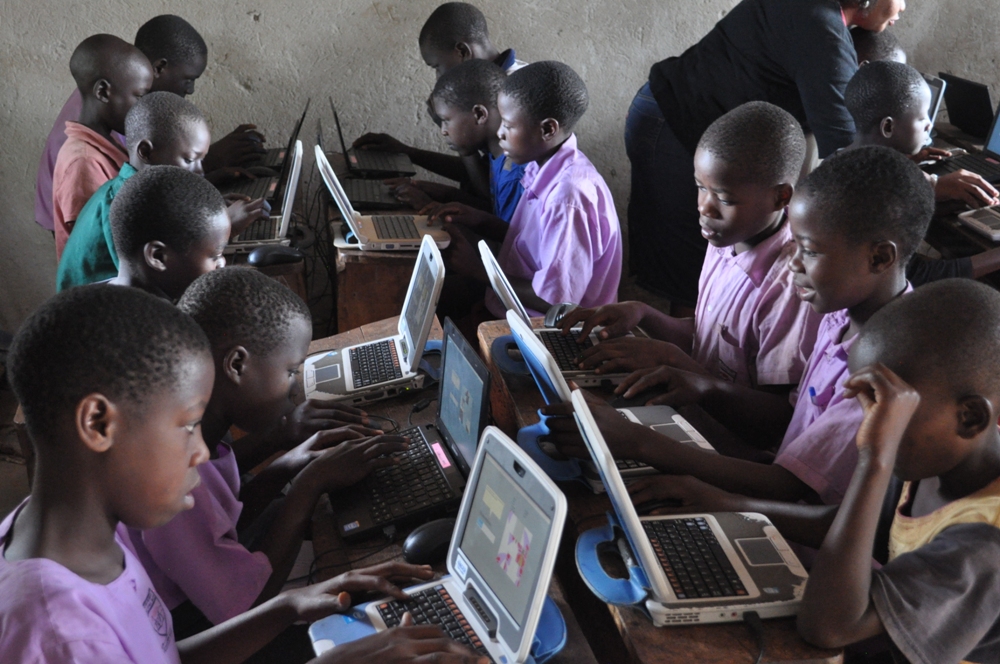
In South Africa’s ongoing push to connect classrooms to the digital world, a fresh dispute has sparked questions about who is really paying for school internet access and why so many learners are still offline.
At the centre of it is Broadband Infraco, the state-owned fibre operator tasked with helping roll out connectivity under the SA Connect programme. Recent claims suggested that hundreds of no-fee schools, many in rural areas, were being billed as much as R16,000 per month for internet that was meant to be free.
But Broadband Infraco has pushed back strongly, saying those claims are simply not true.
Where the R16,000 claim comes from
The controversy stems from a development report that painted a troubling picture. According to the findings, 599 mostly non-fee-paying schools were allegedly facing monthly charges that they could not afford. The report suggested this left many of them technically connected but practically offline.
The figures were stark. More than R9 million per month, or roughly R115 million a year, was reportedly tied to connectivity costs linked to these schools.
For communities already struggling with basic infrastructure, the idea of such fees raised alarm bells. In places like Vhembe in Limpopo, where access to essentials such as piped water is still limited, reliable internet feels like a distant promise rather than a daily reality.
Broadband Infraco responds
Broadband Infraco has dismissed the report’s conclusions, stating clearly that schools are not directly billed for connectivity under SA Connect.
According to the company, funding for school internet access comes from the Department of Communications and Digital Technologies. In other words, the cost is absorbed at a government level, not passed on to schools themselves.
The company has also asked for clarity on the data used in the report, suggesting there may have been a misunderstanding or misinterpretation of how the funding model works.
A bigger problem behind the headlines
While the disagreement over pricing continues, it highlights a deeper issue that has long frustrated educators and communities alike. Even where infrastructure exists, access is not always guaranteed.
South Africa’s SA Connect programme, launched in 2018, was meant to bridge this gap. The first phase aimed to connect thousands of public facilities, including schools and clinics. The second phase, which began in late 2025, has an even more ambitious goal of reaching over 16,000 schools by 2029.
Yet progress has been slower than many expected. By early 2026, fewer than 3,000 schools had been connected.
That gap between ambition and delivery is where public frustration tends to grow. On social media, conversations often circle back to the same question: if billions are being allocated, why are so many classrooms still offline?
The cost of closing the digital divide
Behind all of this is a much bigger financial reality. Estimates suggest South Africa could need over R100 billion to ensure universal broadband access.
Depending on how the economy performs, that number could climb significantly higher. More optimistic scenarios involve expanding fibre networks even into deep rural areas. Less optimistic ones rely on cheaper, less reliable technologies that may not deliver the same long-term benefits.
The difference between those approaches is not just technical. It shapes how future generations learn, access opportunities, and participate in the economy.
Why this story matters now
For many urban readers, internet access is something taken for granted. But for learners in rural schools, it can mean the difference between keeping up and falling behind.
This latest dispute has not only raised questions about transparency in government programmes, but it has also reminded South Africans just how far there is still to go.
Whether the issue is miscommunication, reporting errors, or deeper structural problems, one thing is clear: the promise of connected classrooms remains unfinished business.
And until that changes, stories like this will keep surfacing, reflecting a country still trying to close one of its most important gaps.
Follow Joburg ETC on Facebook, Twitter, TikT
For more News in Johannesburg, visit joburgetc.com
Source: MyBroadband
Featured Image: Rural Africa Facts – WordPress.com