Business
Rate cuts on hold as global tensions push up South Africa’s cost of living
For months, many South Africans were holding their breath, hoping for a bit of financial relief. Lower interest rates felt within reach. But this week, that optimism hit a pause button.
The South African Reserve Bank has decided to keep interest rates unchanged, and the reason lies far beyond local borders.
A global shock hits home
At its latest meeting on 26 March, the Monetary Policy Committee chose to leave the repo rate at 6.75% and the prime lending rate at 10.25%. It was a unanimous decision, but not an easy one.
The trigger is the escalating conflict in the Middle East, which has sent global oil prices climbing and added pressure on the rand. For South Africans, that combination is more than just headline news. It feeds directly into the cost of living.
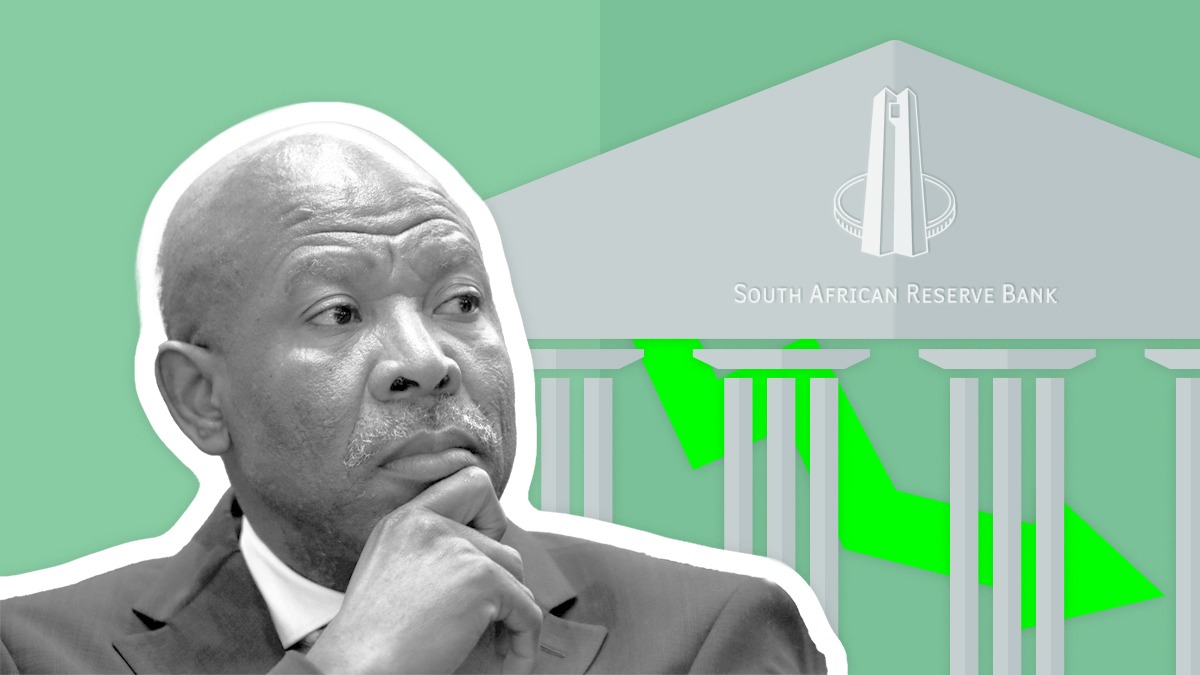
Governor Lesetja Kganyago described the situation as a supply shock. In simple terms, it is the kind of disruption that pushes prices up while slowing demand. Interest rates alone cannot fix that first wave of impact.
What the Reserve Bank is watching closely now is what comes next. If those initial price increases spill into broader inflation across the economy, that is when things become harder to control.
From hope to hesitation
Just weeks ago, the mood among economists was far more upbeat. Inflation had settled neatly at 3% in February, right on the Reserve Bank’s target. There was growing expectation that rate cuts would follow, possibly more than once this year.
That outlook has shifted.
With oil prices now sitting above 100 dollars a barrel and the rand trading weaker than R17 to the dollar, the inflation picture is starting to change. Add upcoming fuel tax increases into the mix, and April is already shaping up to be a tougher month for consumers.
On social media, the reaction has been mixed. Some South Africans say the pause makes sense given global uncertainty. Others are frustrated, especially those already stretched by bond repayments and rising grocery bills.
Why fuel prices matter more than you think
Fuel is not just about filling up your tank. In South Africa, diesel powers much of the economy, from transport to farming.
When fuel prices rise, the ripple effects are wide. Transport costs increase, food production becomes more expensive, and eventually those higher costs land on supermarket shelves.
There is also concern about fertiliser prices, which are tied to global markets and could rise further because of the same geopolitical tensions. For local farmers, already dealing with tight margins, this adds another layer of pressure.

Image 1: Daily Investor
What happens next
The Reserve Bank expects inflation to climb to around 4% in the near term, driven largely by energy costs. Fuel inflation alone could surge above 18% in the second quarter.
The longer view is more reassuring. Current forecasts suggest inflation could settle back to 3% by late next year, assuming the shock fades and conditions stabilise.
As for interest rates, cuts are not off the table. They are simply delayed. Many economists still expect some easing later in the year, but much will depend on how the global situation unfolds.
A fragile recovery
There are still signs of hope in the local economy. Confidence has been improving, and investment activity has picked up in certain sectors. Growth is expected to edge closer to 2% over the next few years.
But that recovery is delicate.
If the conflict drags on, or if oil prices remain elevated, the pressure could intensify. For now, the Reserve Bank is choosing caution over quick relief.
And for everyday South Africans, it means holding steady a little longer, even as the cost of living continues to test resilience.
Follow Joburg ETC on Facebook, Twitter, TikT
For more News in Johannesburg, visit joburgetc.com
Source: Daily Investor
Featured Image: Daily Investor