Business
Shell Secures Major Footing in SA’s Orange Basin – A Strategic Power Move for the Future
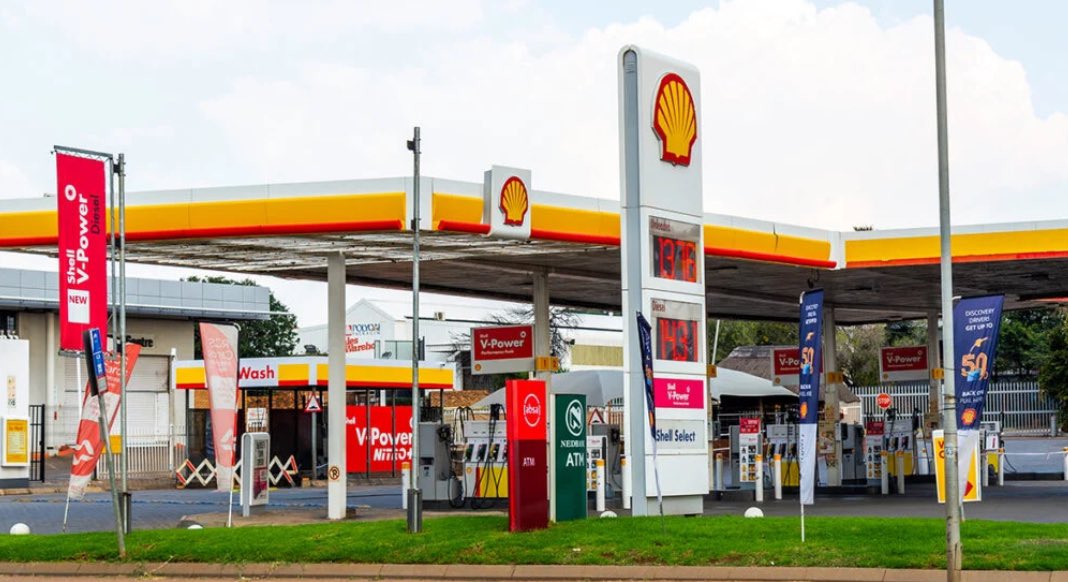
South Africa’s energy landscape may be standing at the edge of something big and this time, all eyes are on the ocean. PetroSA has quietly approved what could become one of its most consequential moves in years: handing Shell Offshore a 60% stake in Block 2C, a prime exploration site off the west coast.
If all paperwork goes through and the deal is finalised, Shell will step in with deep pockets and deep-water ambition a $25 million signing bonus (about R424 million) along with a full funding commitment of roughly $135–$150 million (R2.2–R2.5 billion) for three exploration wells. For a state-backed entity recently absorbed into the new South African National Petroleum Company (SANPC), the financial relief alone is notable.
This isn’t just another corporate transaction, it’s a potential inflection point for South Africa’s role in the global energy map.
A Basin Everyone Suddenly Wants a Piece Of
To understand why this is big news, you have to zoom out to the neighbourhood. The Orange Basin, stretching across South Africa and Namibia, has become something of a hotspot after Namibia struck multiple major offshore oil finds in recent years. Suddenly, a region once overlooked is being whispered about as the next Guyana.
Shell already has a foot in the door. In July, it secured environmental approval to drill as many as five deep-water wells in the Northern Cape Ultra Deep Block. Now, with PetroSA opening the gates to Block 2C, their footprint widens, assuming legal and environmental processes don’t trip them up along the way.
And that’s the tension. While investment promises jobs, revenue, and energy security, the past few years have seen strong pushback from environmental groups, especially along the west coast. Shell is still tied up in court over its attempt to explore Block 5/6/7, which was halted after community-led challenges. The oil giant is appealing that ruling.
So while the Block 2C deal is a win on paper, it’s still far from the drilling stage.
Silence from PetroSA, Caution From Regulators
PetroSA, currently the sole holder of Block 2C until the transfer is approved has yet to comment publicly. Its Mossel Bay gas-to-liquids plant remains under care and maintenance, symbolic of the broader stagnation facing local energy production. For some, Shell’s arrival feels like a lifeline. For others, a risk.
National regulator PASA has also flagged that no official transfer application has reached its desk yet, meaning the process is not over only started. Corporate diplomacy will now determine how smoothly the handover unfolds.
Shell, when contacted, didn’t say much. Commercial sensitivities, they said. In corporate language, that usually means: big plans, but no promises yet.
What South Africans Are Saying
While the deal is fresh, XR activists and ocean defenders have already begun voicing concerns online, reminding the public of seismic blasting controversies. Meanwhile, industry players and economists see potential sunlight in an economy hungry for growth.
On social media, reactions look something like this:
“If Namibia can strike gold, why not us? Bring the investment!”
“Not another extractive venture at the cost of coastal communities.”
“Energy independence is necessary, but not reckless drilling.”
South Africa is split, not unusual for a country negotiating development, environment, and future energy demand all at once.
What This Means Going Forward
If Shell does begin drilling, South Africa could join its neighbour Namibia in a new offshore boom era, something that could reshape local fuel pricing, trade dynamics, and the national energy mix. Or, the project could stall in the courts and regulatory maze, like many before it.
History has taught us one thing: oil exploration here is never just business. It’s politics, livelihoods, environment, and hope rolled into one.
For now, what we have is a deal on the table, a big one and one that could redraw the future of South Africa’s offshore energy story.
The ocean, as always, holds the next chapter.
{Source: Top Auto}
Follow Joburg ETC on Facebook, Twitter , TikTok and Instagram
For more News in Johannesburg, visit joburgetc.com