Business
South Africa’s 2G and 3G shutdown hit by global smartphone price surge
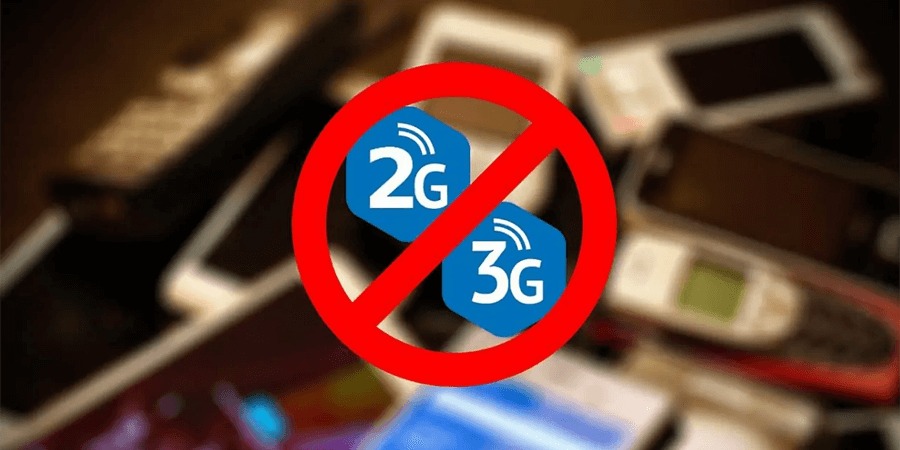
For years, South Africa has been preparing to switch off its ageing 2G and 3G networks. The move promises faster speeds, better connectivity, and more space for 4G and 5G services. But just as momentum was building, a new obstacle has emerged.
A global surge in memory prices, driven largely by artificial intelligence demand, is pushing up the cost of manufacturing smartphones. That could slow the country’s plans to retire its older mobile networks.
In a nation where most people rely on mobile phones for internet access, that is no small issue.
Why the shutdown matters
Shutting down 2G and 3G is not just about upgrading for the sake of it. Newer technologies such as 4G and 5G offer higher speeds, greater bandwidth, and lower latency. That means smoother video calls, quicker downloads, and more reliable connections for businesses and households alike.
The plan has been in discussion for years. The Department of Communications and Digital Technologies previously set deadlines, including proposals to stop the sale of new 2G and 3G devices.
However, mobile networks warned that too many South Africans were still using older handsets. In July 2025, the department scrapped formal deadlines and opted instead to work alongside operators to monitor progress.
The memory price problem
Behind the scenes, global tech markets are shifting. Prices for DDR RAM and NAND flash memory have risen sharply since mid-2025. These components are essential in modern smartphones.
Major operators have confirmed that the increases are already affecting device pricing in South Africa.
Vodacom has said that smartphone prices have climbed in dollar terms due to the global memory shortage, with pressure expected to continue. MTN and Cell C have noted that the biggest impact is on budget and mid-range phones, where memory costs form a larger portion of overall production expenses.
Manufacturers are responding by raising prices, tweaking specifications, or scaling back low-margin models. Industry forecasts suggest price pressure could stretch into 2026, with average global smartphone prices expected to rise year on year.
For South Africa, that could mean a slower shift away from 2G and 3G, as upgrading becomes more expensive for consumers.
Affordable options still exist, for now
There is some relief. At present, several affordable 4G smartphones remain available in local stores. In recent price checks, 4G devices have typically started from around R500, with some even cheaper. Retailers such as Pep Cellular have offered entry-level models well below that mark.
Operators have also stepped in. Vodacom and MTN intensified their efforts in 2025 to migrate customers to 4G.
During Mandela Month, Vodacom discounted its Kicka 6 smartphone to R67 for selected customers still using 2G devices. MTN announced plans to provide 4G smartphones from R99 to 1.2 million customers on older networks. By August 2025, thousands had already benefited from the initiative.
Cell C has cautioned that current prices may hold until newer stock arrives, with increases expected to become more noticeable from March 2026.
Government support and the bigger picture
In 2025, the government scrapped the ad valorem import tax on smartphones priced under R2,500. The move was aimed at making budget devices more accessible and easing the transition to newer networks.
Yet the reality is complex. Moving away from 2G and 3G means replacing not only feature phones and older smartphones but also Internet of Things devices such as vehicle trackers. That carries additional costs for consumers and businesses.
On social media, reactions have been mixed. Some users welcome the push towards faster connectivity. Others worry about affordability, particularly in lower-income households where older phones still dominate.
The shutdown of 2G and 3G is not off the table. But with global component shortages pushing up prices, South Africa’s digital upgrade may take longer than expected.
For now, the clock is ticking, and the cost of memory chips in distant factories could shape how quickly the country steps into its next connectivity chapter.
Follow Joburg ETC on Facebook, Twitter, TikT
For more News in Johannesburg, visit joburgetc.com
Source: MyBroadband
Featured Image: Sigfox South Africa