Business
Lights On, What Comes Next for South Africa’s Power Supply
From panic to planning, a turning point for power
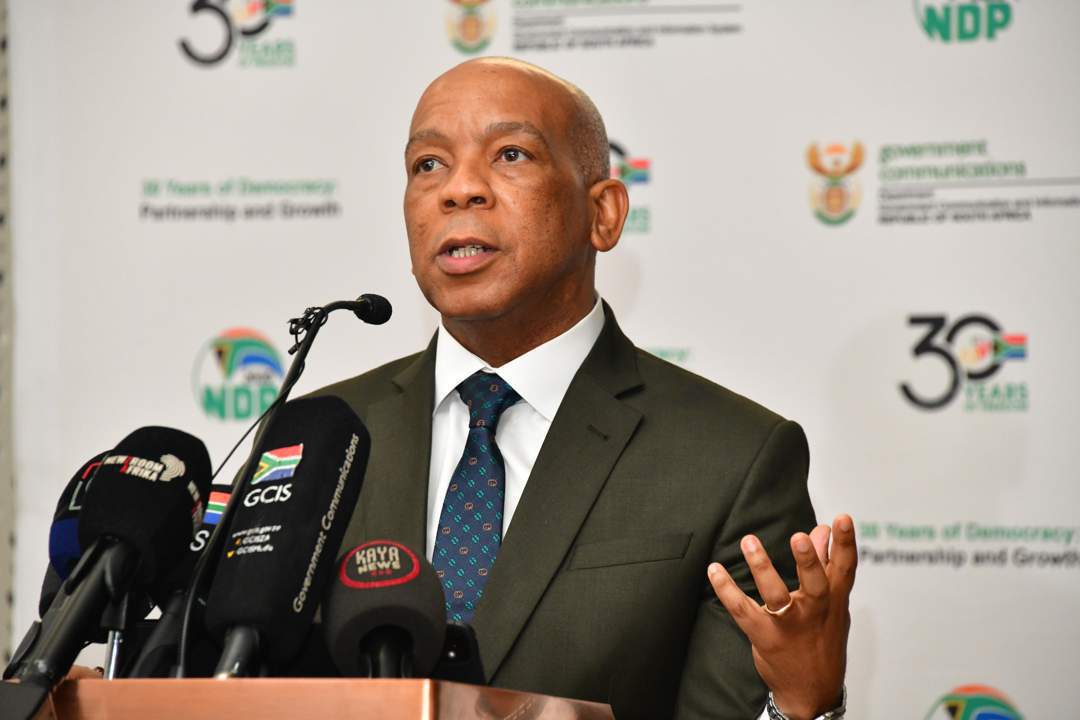
For the first time in years, South Africans are talking about electricity without flinching. According to Dr Kgosientsho Ramokgopa, the country has moved out of crisis mode and into something far rarer. Stability.
Speaking in Pretoria this week, the Electricity and Energy Minister said the lights are expected to stay on, marking a major psychological shift after years of relentless load shedding. But the real message was not about relief. It was about responsibility.
South Africa, he said, now faces a tougher question. Can the grid cope if the economy grows at three percent a year while millions more homes are connected to electricity?
Why this moment matters more than it seems
There are still around 1.59 million customers without access to electricity. Add population growth, industrial recovery, and increased demand from businesses, and today’s stability starts to look fragile.
Ramokgopa framed the moment as a pivot. Energy can no longer be the brake on growth. It has to become the engine. In local terms, this is the difference between surviving and actually moving forward.
On social media, reactions have been cautiously optimistic. Many South Africans welcome the calm but remain wary, shaped by years of broken promises. The dominant mood is hope mixed with vigilance.
Breaking Eskom’s grip on the grid
One of the biggest shifts behind the scenes has been structural. The government has pushed through reforms aimed at ending Eskom’s long-standing monopoly.
Changes to the Electricity Regulation Act now allow third-party electricity providers onto the grid. Eskom itself has been unbundled, with a separate Transmission System Operator created to manage the grid independently.
The logic is simple. Eskom can no longer be both referee and player. Competition and transparency are meant to drive efficiency and reliability, something the old system struggled to deliver.
Coal stays, renewables surge
Coal is not disappearing. It remains central to baseload power. But the balance is changing.
By December 2025, more than 800 megawatts of new capacity had already been added, largely from solar photovoltaic projects. These plants are now feeding power directly into the grid.
Most of this new generation sits in the Western, Eastern, and Northern Cape regions, rich in sun and wind but short on transmission capacity. That bottleneck is now a priority, with accelerated investment planned to move electricity where it is needed most.
Private investors are lining up
Confidence in South Africa’s energy programme is starting to show in the numbers.
Bid Window 7 of the Renewable Energy Independent Power Producer Procurement Programme drew 48 bids offering over 10,000 megawatts, double what the government originally asked for. Preferred bidders are expected to deliver around 890 megawatts, backed by roughly R16 billion in investment.
Transformation remains a firm condition. Nearly half of all shareholding must be South African, with significant black ownership built in.
In a major milestone, seven bidders have also been prequalified for large-scale private participation in transmission infrastructure. This forms part of a R440 billion rollout that will reshape how electricity moves across the country.
No victory laps allowed
Despite the improved outlook, Ramokgopa’s strongest warning was against complacency.
Ending load shedding was the urgent task. Securing energy for the next decade is the real challenge. Without sustained investment now, the country could face shortages again within five years.
The message was blunt. Energy once strangled growth. If the government stays the course, it could just as easily unlock jobs, industrialisation and economic recovery.
For a country long defined by power cuts, that would be a story worth telling.
Follow Joburg ETC on Facebook, Twitter, TikT
For more News in Johannesburg, visit joburgetc.com
Source: The Citizen
Featured Image: News24