Business
South Africans slowly saying goodbye to SIM cards as eSIM adoption rises
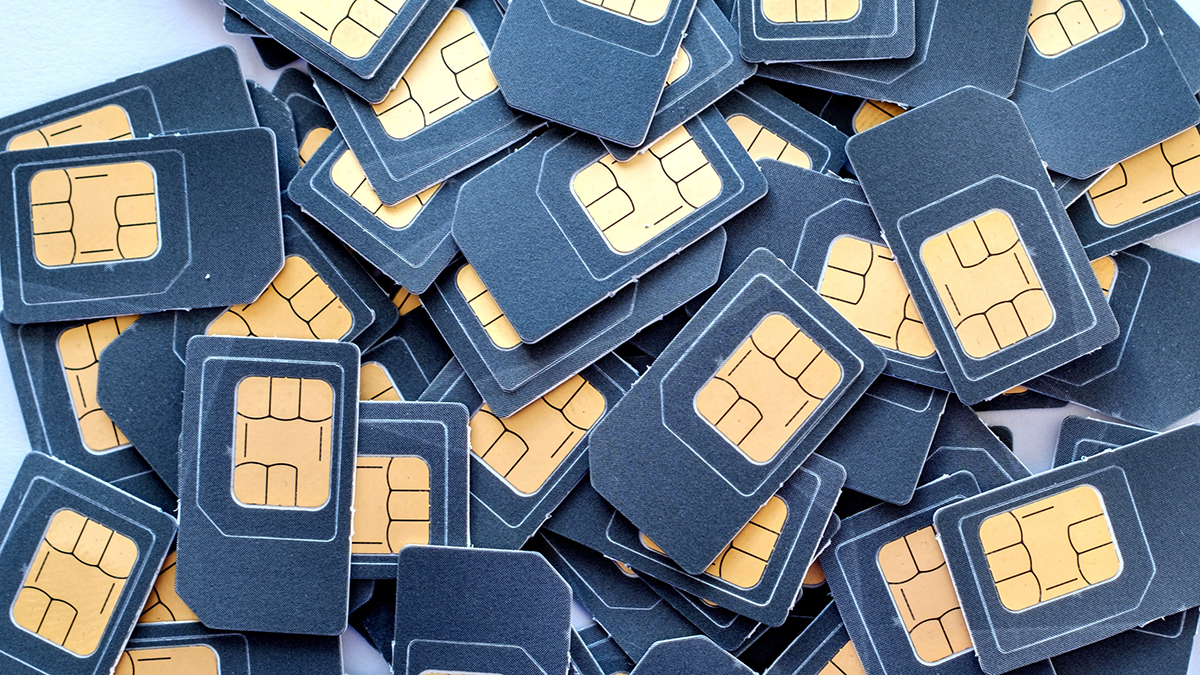
For decades, getting a new cellphone number in South Africa usually meant a small plastic card, carefully popped into the side of a phone with a pin or paperclip. It has been a routine moment for millions of users.
But that familiar ritual may soon fade into history.
South African mobile users are gradually moving away from physical SIM cards and adopting eSIM technology instead. Major networks such as Vodacom and MTN say they are seeing a steady increase in customers choosing the digital alternative when activating new numbers or switching devices.
What exactly is an eSIM?
An eSIM is an embedded SIM chip that is built directly into a smartphone, smartwatch, or other connected device. Instead of inserting a physical card, users download a digital SIM profile onto the device.
In practice, the experience is quite similar to using a dual-SIM phone. Many compatible devices allow two eSIM profiles to operate at once. Users can switch between them for calls, SMS messages, or mobile data depending on their needs.
For people who frequently travel, manage multiple numbers, or use smart wearables, the flexibility has obvious appeal.
Networks say adoption is climbing
Vodacom says it is seeing a month-on-month increase in eSIM adoption among its customers.
According to the company, many people choose eSIM when they sign up for a new mobile number or upgrade to a newer smartphone that supports the technology. The network has also been improving its internal systems and training staff to help customers understand how eSIM works and how to activate it.
Another factor driving adoption is the rapid shift by device manufacturers. Many new flagship smartphones now include eSIM capability as a standard feature.
Vodacom was also an early adopter in South Africa. The company introduced eSIM support for wearable devices back in 2019, paving the way for broader use across phones and other gadgets.
MTN reports a similar trend. While physical SIM cards still dominate, the number of customers using eSIM continues to grow year by year. The operator says the rise is closely linked to the increasing number of eSIM-capable smartphones entering the market.
Why SIM cards have not disappeared yet
Despite the momentum, South Africans are not about to see the end of plastic SIM cards overnight.
MTN says traditional SIMs remain the most widely used option among customers. The transition will likely happen gradually as more people upgrade to devices that support eSIM technology.
There are also industry pressures behind the scenes.
Cell C chief executive Jorge Mendes previously explained that the number of SIM cards issued remains a key performance indicator for mobile networks. Moving too quickly toward eSIM could make subscriber figures appear to drop dramatically, even if actual customer numbers remain stable.
In simple terms, if a network issues fewer physical SIM cards because users are switching to eSIM, it could look like the company lost millions of subscribers on paper.
This reporting pressure has made operators cautious about pushing the transition too aggressively.
Environmental concerns are part of the push
Beyond convenience, environmental concerns are also influencing the move toward digital SIMs.
Vodacom has already tried to reduce plastic waste by introducing Eco SIM cards made from recycled plastic in 2021. The company says this forms part of its broader commitment to reducing its environmental footprint.
The long-term goal is to cut down the large amount of plastic waste generated by physical SIM cards in South Africa each year.
Vodacom CEO Shameel Joosub has indicated that the operator is working toward stricter rules around SIM card distribution and inactive accounts to reduce waste.
Better digital registration processes and biometric verification could also reduce the need to issue large volumes of physical SIM cards.
A small chip that could reshape mobile networks
For now, the shift remains gradual. Millions of South Africans still rely on the tiny plastic cards that powered mobile phones for years.
But the direction of travel is clear.
As smartphones continue evolving and digital lifestyles become more connected, eSIM technology offers a glimpse of a future where activating a mobile number takes seconds, without plastic packaging or tiny trays.
For many users, that future has already arrived. For the rest, the farewell to physical SIM cards may simply be a matter of time.
Follow Joburg ETC on Facebook, Twitter, TikT
For more News in Johannesburg, visit joburgetc.com
Source: MyBroadband
Featured Image: ITWeb