Business
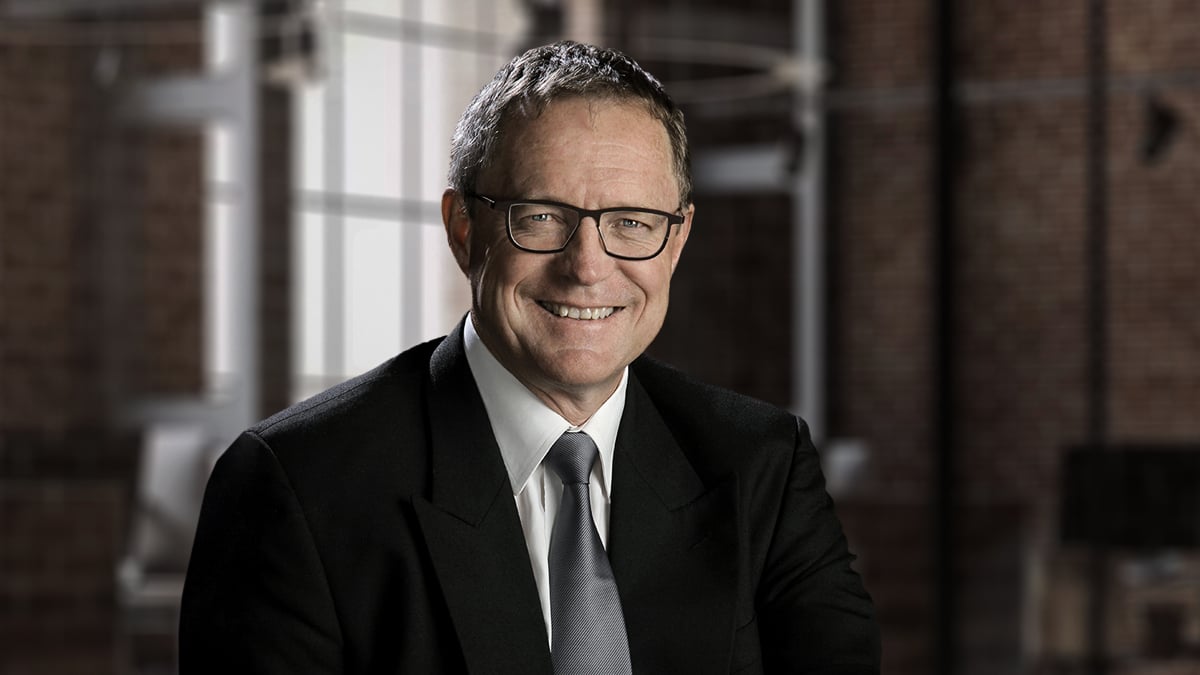
Why Dawie Roodt Says South Africans Can Finally Expect Real Relief on Interest Rates
Why a policy shift matters for ordinary families
For years, South Africans have carried the weight of rising prices, high borrowing costs, and the constant balancing act of keeping up with home loans and everyday expenses. This month brought a glimmer of relief. Renowned economist Dawie Roodt believes the country has finally left much of its inflation pain behind. His message is simple. The tide is turning, and homeowners could soon feel lighter.
The South African Reserve Bank cut interest rates again, trimming the repo rate to 6.75 percent and bringing the prime lending rate down to 10.25 percent. What made headlines was not only the size of the cut but also the fact that the decision was unanimous. That alone hinted at confidence within the bank’s leadership.
Then came a far bigger shift. Finance Minister Enoch Godongwana officially reset South Africa’s inflation target to 3 percent with a one percentage point tolerance band. It replaces the long-standing range of 3 to 6 percent and marks the first adjustment in a quarter of a century. Godongwana confirmed that this was finalised in consultation with the Reserve Bank Governor, the President, and the Cabinet. For the first time in decades, South Africa has chosen a tighter, more disciplined approach to inflation.
Why this matters more than most people realise
Roodt welcomed the change without hesitation. He has long argued that the older target range encouraged unnecessary price and wage increases. When the public sees a band that stretches to 6 percent, he explained, businesses and workers tend to aim for the top of the range. It becomes an anchor for expectations.
Now the target is fixed at 3 percent. This immediately puts pressure on everyone, from major unions to corporations, to justify any increase above that level. It prevents inflation from drifting upward simply because the system allowed it.
Roodt pointed out an uncomfortable truth. Inflation eats away at money, yet it also eats away at debt. In the past, governments sometimes relied on high inflation to reduce the real value of what they owed. The problem is that this approach causes serious damage to the economy. With the new target, neither government nor business can hide behind inflation. Any increase must reflect real productivity or genuine value.
This shift brings discipline to the entire economic chain. Everything from household budgets to Eskom’s pricing decisions becomes part of a national effort to keep inflation steady.
Interest rate cuts ahead and what they mean for homeowners
With inflation being pulled down and pressure easing, Roodt believes the worst of the cycle is now behind us. He expects more interest rate cuts on the horizon. For anyone paying off a home, a car, or personal debt, this could mean much-needed breathing room over the coming months.
Lower rates are not just good for families. They also help the state pay back the vast sums it owes. When interest costs fall, government finances become more manageable, leaving space for growth-driven spending.
Roodt explained that low inflation typically leads to lower nominal interest rates. Once that happens, consumers feel more confident, they spend a bit more, and the economy begins to lift. Stronger demand, in turn, supports better growth.
A calmer currency and renewed investor confidence
A country with low inflation usually enjoys a more stable currency. With the new target in place, South Africa can expect less volatility in the rand. That matters for importers, exporters, and anyone watching the price of fuel.
Foreign investors also tend to favour economies where inflation is predictable. If they can earn returns without worrying about large swings in the currency, they are more likely to buy local bonds or invest in the Johannesburg Stock Exchange. A stable price environment, therefore, helps South Africa become more attractive globally.
The responsibility shifts to all of us
Although the outlook is brightening, Roodt gave a firm reminder. Keeping inflation low is a shared national responsibility. He urged citizens not to accept price increases above the new target unless the seller can show a real rise in value. Workers, in turn, should not expect wage increases above three percent unless productivity has grown.
It is a call for fairness. A call for discipline. And a call for every South African to play a part in protecting the economy’s recovery.
A cautious optimism for the months ahead
South Africans have endured years of financial strain, so any improvement feels significant. With inflation easing, interest rates slowly heading downward, and the government adopting a tighter policy framework, Roodt’s message brings a sense of possibility. It is not a promise of instant relief. It is, however, a sign that better days are finally coming into view.
Follow Joburg ETC on Facebook, Twitter, TikT
For more News in Johannesburg, visit joburgetc.com
Source: Business Tech
Featured Image: Daily Investor