Business
January brings no relief as South Africa’s interest rates stay put
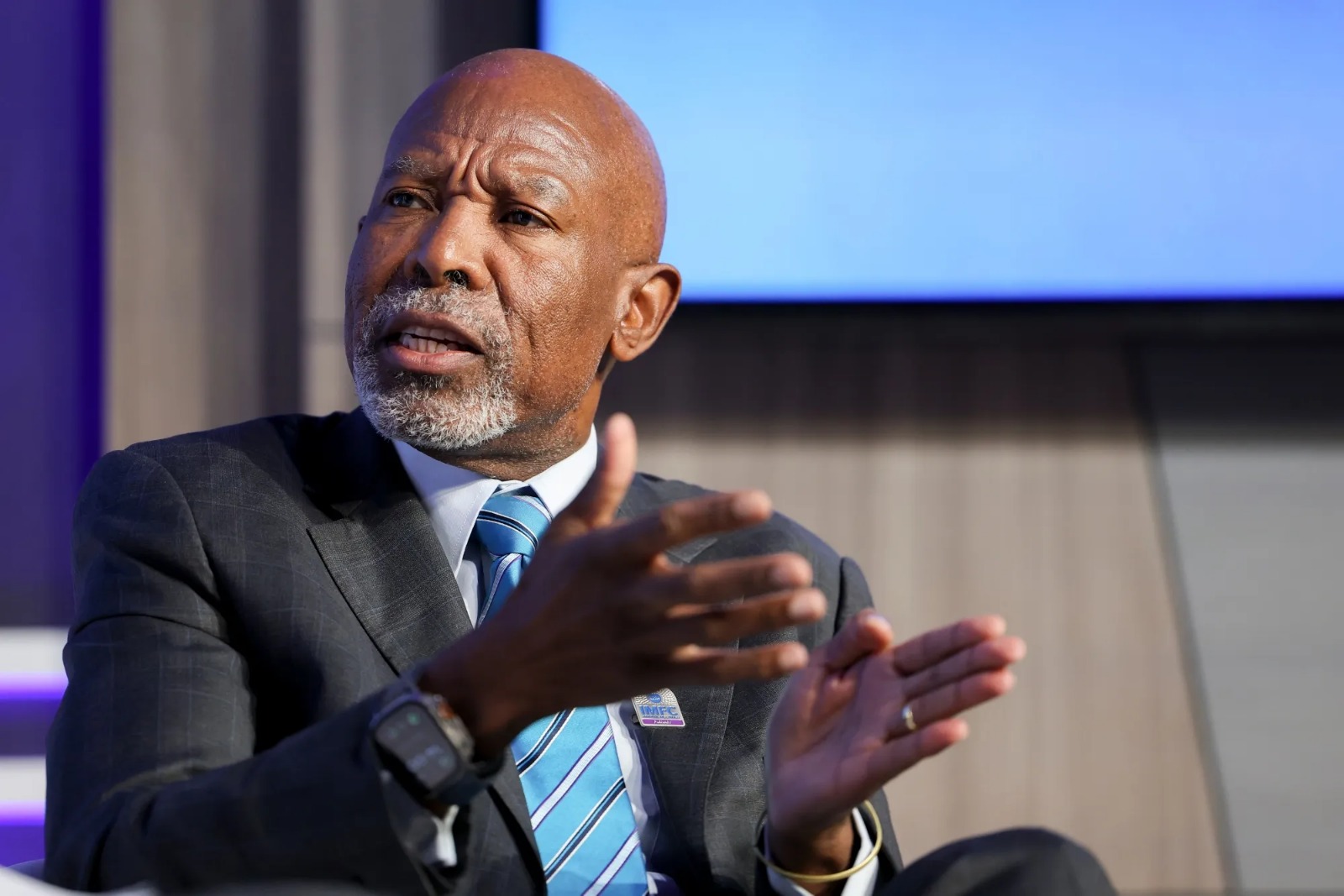
No interest rate relief for South Africans in January
January has arrived with no financial breather for South African households. After weeks of speculation and quiet hope, the South African Reserve Bank has confirmed that interest rates will remain unchanged, keeping borrowing costs exactly where they were at the end of last year.
For homeowners, car buyers and small businesses watching every basis point, the decision means patience is still required.
What the Reserve Bank decided
On Thursday, 29 January, the Reserve Bank’s Monetary Policy Committee voted to keep the repo rate at 6.75 percent. This leaves the prime lending rate steady at 10.25 percent.
The decision followed a 25 basis point cut in November 2025, which was part of a longer easing cycle. That November move marked the sixth cut so far, bringing total reductions to 150 basis points since rates peaked.
This latest vote was not unanimous. Two committee members argued for another small cut, signalling that the door to future relief is not closed.
How we got here
South Africa’s interest rate story over the past few years has been a sharp one. During the previous hiking cycle, rates were pushed to decade highs after a cumulative 475 basis points of increases. Those hikes were aimed at curbing runaway inflation that surged during the Covid 19 pandemic.
By September 2024, the Reserve Bank believed inflation was finally under control and delivered the first cut of the current cycle. Since then, rates have gradually eased, offering some relief to consumers stretched by food, fuel and electricity costs.
Inflation is calmer, but not forgotten
Announcing the January decision, Reserve Bank Governor Lesetja Kganyago said the committee sees the risks to inflation as balanced.
Inflation rose slightly to 3.6 percent in December 2025, but the annual average came in at 3.2 percent. That figure sits close to the Reserve Bank’s new 3 percent target, which was officially adopted in November 2025 after moving away from the older 3 to 6 percent range.
Kganyago said inflation is expected to slow again this year, and that inflation expectations have fallen to record lows in longer-term surveys. This shift is something the Bank hopes will continue as South Africans adjust to the new target and experience sustained lower inflation.
The risks still worrying policymakers
While the broader picture has improved, the Reserve Bank is not relaxed just yet. Food inflation remains a concern, especially meat prices, which are under pressure due to a serious outbreak of foot and mouth disease across the country.
Electricity prices are another red flag. The Bank is closely watching NERSA’s price correction, which could rise from R54 billion to as much as R76 billion. Any sharp increase here would feed directly into household bills and business costs.
Markets were split and the debate continues
Ahead of the announcement, economists and investors were divided on what the MPC would do. Albert Botha, Head of Fixed Income at Ashburton Investments, noted that global and local conditions remain highly fluid.
While interest rates are generally moving lower over the longer term, uncertainty around global policy decisions has made the timing of further cuts difficult to predict. Still, Botha believes South Africa is now in a position where more reductions are likely.
Markets are currently pricing in roughly three to four additional cuts of 25 basis points over the next 12 to 18 months. This would place the repo rate somewhere between 5.75 and 6 percent.
If global rates continue to fall and inflation remains under control locally, South Africa could settle into a long-term average repo rate of around 5.5 percent. That scenario would be a major boost for the housing market and would ease funding costs for businesses and government alike.
What this means for everyday South Africans
For now, the message is one of steady footing rather than celebration. Bond repayments will not increase, but they will not shrink either. For many households still recovering from years of higher costs, that stability matters, even if it is not the relief many were hoping for in January.
On social media, the reaction has been mixed. Some South Africans expressed frustration at the pause, while others welcomed the caution, especially with food and electricity prices still unpredictable.
The bigger takeaway is that the easing cycle is not over. It has simply paused. For borrowers, that means keeping an eye on the next few MPC meetings, where the long-awaited relief may finally arrive.
Also read: South Africa edges closer to a nail-biting interest rate decision
Follow Joburg ETC on Facebook, Twitter, TikT
For more News in Johannesburg, visit joburgetc.com
Source: Daily Investor
Featured Image: Bloomberg.com