Business
To Cut or Not to Cut? SA’s Interest Rate Decision Hangs on a Knife-Edge
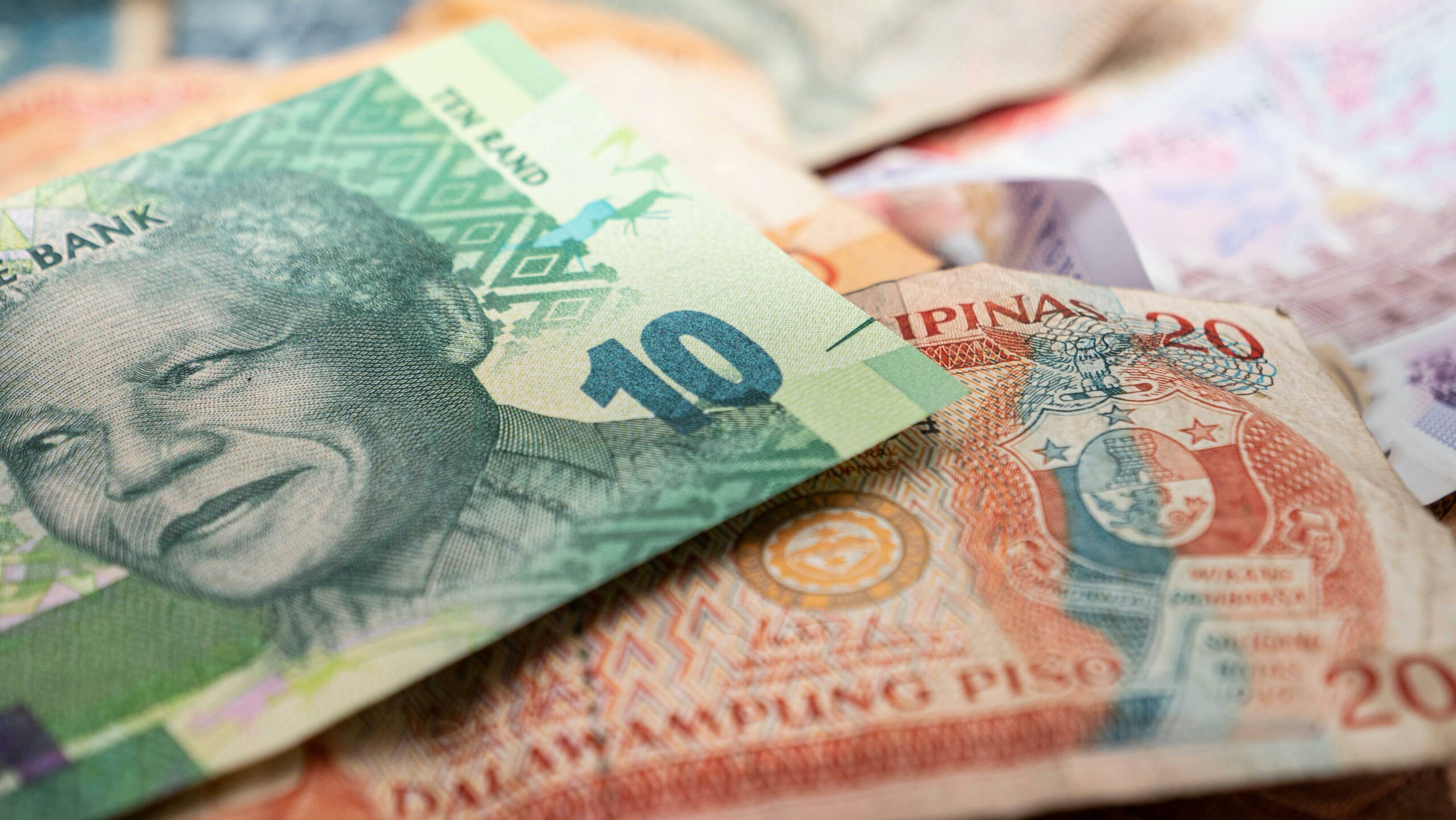
Next Thursday, the South African Reserve Bank’s Monetary Policy Committee (MPC) will gather for its first interest rate decision of 2026, and the financial air is thick with anticipationbut not necessarily with expectation. While weary consumers and businesses pray for relief, the overwhelming consensus among experts is a frustrating status quo: interest rates are likely to remain unchanged.
The SARB has already cut rates by a cumulative 150 basis points since the cycle began, bringing the repo rate to 6.75% and prime to 10.25%. Yet, as Neil Roets, CEO of Debt Rescue, points out, this has done little to ease the daily grind for households. “The cost of living is still stubbornly high, and many households continue to spend the bulk of their income on basic essentials,” he says, highlighting the disconnect between monetary policy and the reality at the checkout aisle.
The Deciding Factor: This Week’s Inflation Print
All eyes are now on the inflation data due this week, which will be the final piece of the puzzle for the MPC. Benay Sager, executive head of DebtBusters, puts it bluntly: the numbers will decide. “We would certainly welcome a reduction… but we’re not expecting one,” he says, noting that a cut would require inflation to come in “really low” to outweigh prevailing global uncertainties.
The prevailing view is that unless the inflation figure surprises dramatically to the downside, the committee will err on the side of caution. With global markets jittery and local factors like recent floods and foot-and-mouth disease threatening food prices, the SARB’s famed risk-averse stance is expected to prevail.
A Divided Chorus of Economists
While the majority lean towards a hold, the academic chorus isn’t entirely unified. Some economists see a clear runway for a cut.
-
Professor Waldo Krugell (North-West University) argues the MPC is “short on excuses not to cut,” citing a stronger rand, high gold prices, and limited domestic price pressure.
-
Dr. Eliphas Ndou (Unisa) points to falling fuel prices, a strong exchange rate, and anchored inflation expectations as signals for a January cut.
However, the more cautious narrative holds greater sway. Professor Raymond Parsons (North West University Business School) agrees further cuts are coming in 2026potentially two 25bps trimsbut questions whether the first will be in January or March. The decision, as always, will be “data-driven.”
The Bottom Line for a Battered Consumer
For the average South African, the technical debate translates to a simple, harsh reality: the financial pressure valve won’t be loosened just yet. The SARB is walking a tightrope between stimulating a moribund economy and guarding against inflation risks in a volatile world.
The message to consumers is one of managed expectations. Relief may be on the horizon in 2026, but for next week, the most likely outcome is a steady hand on the lever, leaving the prime lending rate at 10.25% and households to keep stretching every rand. The waiting game continues.
{Source: IOL}
Follow Joburg ETC on Facebook, Twitter , TikTok and Instagram
For more News in Johannesburg, visit joburgetc.com