Business
South Africa’s online gambling boom puts new national tax firmly on the table
South Africa’s relationship with gambling has quietly shifted from weekend entertainment to something far more constant. A bet no longer requires a trip to a casino or bookmaker. It lives in pockets, phones, and data bundles. That reality is now driving one of the most talked-about tax proposals currently sitting with the National Treasury.
The Treasury has extended the deadline for public comment on a proposed national online gambling tax, pushing it from the end of January to 27 February 2026. The move signals both the sensitivity of the issue and the growing pressure to act as online betting explodes across the country.
Why government is stepping in now
Gambling addiction is not new in South Africa, but online platforms have changed the scale and speed of harm. Treasury has acknowledged that online betting is accessible almost anywhere and at any time, making addiction easier to develop and harder to escape.
What has raised additional concern is how gambling has become woven into everyday culture. Betting brands now sit alongside major sporting events, influencers, and entertainment platforms. This normalisation, according to Treasury, has blurred the line between leisure and risk.
The numbers tell their own story. In the 2024 to 2025 financial year, South Africans wagered about R1.5 trillion across the gambling industry. That marked a year-on-year growth of more than 30 percent. Around three-quarters of that activity came from betting alone, with casinos making up the next largest share.
Over the past five years, all gambling formats grew, but betting surged ahead. Gross gambling revenue from betting rose by roughly 390 percent, reaching almost R52 billion in 2024 to 2025.
How the proposed tax would work
The Treasury is proposing a 20 percent national tax on gross gambling revenue from online betting, including interactive gambling. This would sit on top of existing provincial gambling taxes.
If implemented, the combined tax burden would range between 26 and 29 percent, placing South Africa in line with international norms. Globally, many jurisdictions already tax gambling revenue at similar or higher rates.
At current revenue levels, Treasury estimates the new tax could generate more than R10 billion a year. However, officials have stressed that revenue is not the primary goal. The central aim, according to Treasury, is to discourage problem and pathological gambling and reduce its social harm.
In effect, the proposal positions gambling alongside alcohol and tobacco as a sin tax, using price pressure as a behavioural tool rather than a simple income stream.
A country divided on regulation
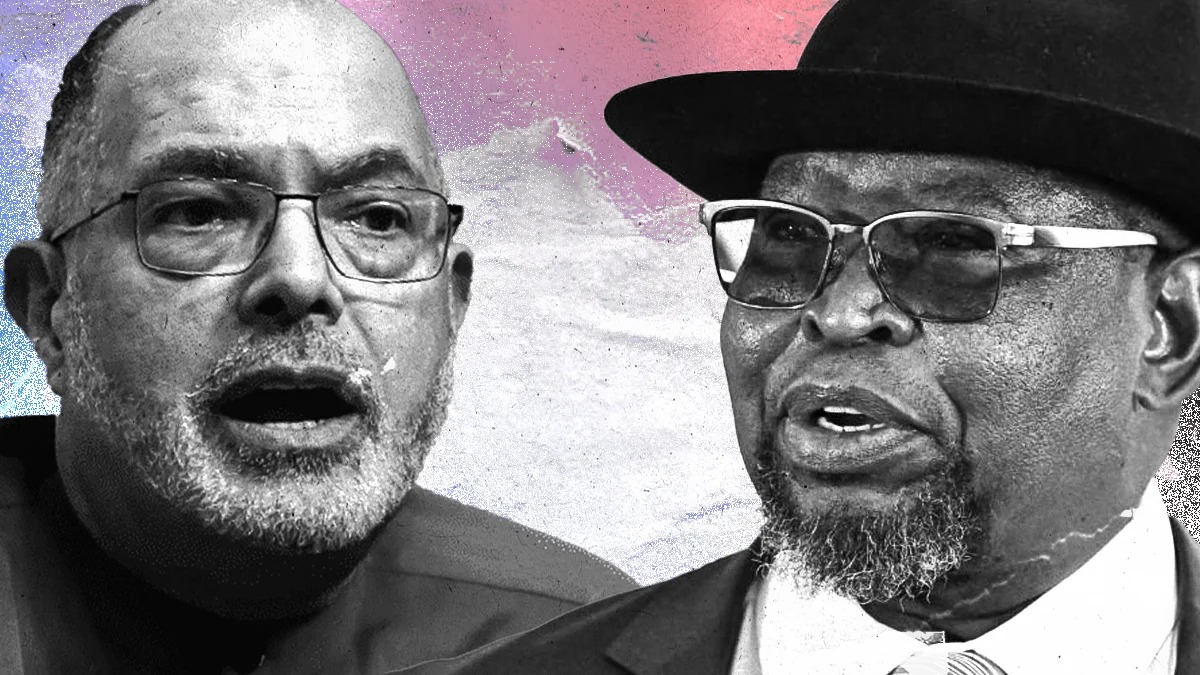
Political reaction has been swift and deeply divided. Rise Mzansi MP Makashule Gana has welcomed the proposal, arguing that the gambling industry has caused lasting damage to families and livelihoods. For him, tighter regulation and taxation are overdue public health interventions rather than economic threats.
Not everyone agrees. The Free Market Foundation has pushed back strongly, arguing that interactive gambling remains technically illegal because the Gambling Amendment Act of 2008 was never fully enacted. From this perspective, introducing a national tax before resolving legality flips the basic logic of the rule of law.
The foundation also suggests Treasury is prioritising easy revenue over a proper policy debate about whether online gambling should be formally regulated at all.
Gana has dismissed these objections, saying opposition groups are more concerned with protecting industry interests than addressing addiction. In his view, gambling reform is no longer optional but inevitable.
What happens next
With the public comment period now extended, Treasury has signalled that it expects robust engagement. Submissions can be sent directly to the department until late February 2026.
For ordinary South Africans, the debate cuts close to home. Online betting has become part of daily life for many, particularly younger users raised on apps and instant access. Whether the proposed tax meaningfully reduces harm or simply reshapes the industry will depend on how regulation, enforcement, and public education evolve alongside it.
What is clear is that gambling has moved out of the shadows and into the centre of South Africa’s economic and social conversation. This tax proposal is not just about money. It is about how the country chooses to balance freedom, responsibility, and protection in a digital age.
Follow Joburg ETC on Facebook, Twitter, TikT
For more News in Johannesburg, visit joburgetc.com
Source: Business Tech
Featured Image: Daily Investor