Business
South Africa’s poultry industry ranks among the world’s most competitive
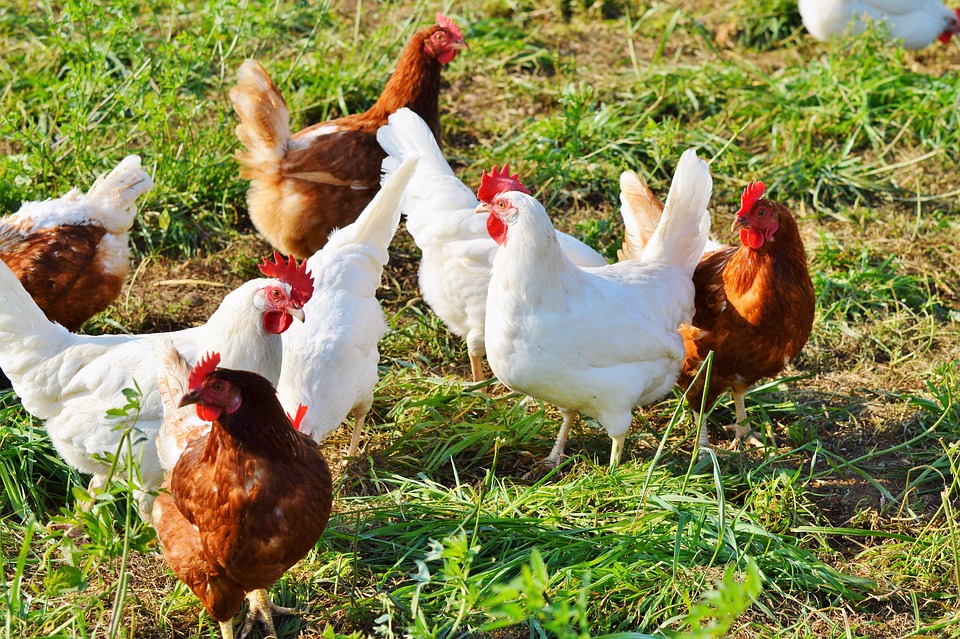
Chicken is a staple on South African tables. From Sunday braais to quick takeaway meals, poultry has long been one of the country’s most widely consumed proteins. But behind the scenes of supermarket shelves and restaurant menus lies an industry working hard to stay competitive in a demanding global market.
A recent industry discussion hosted by the South African Poultry Association has placed the spotlight on both the progress and the challenges facing the sector. While South Africa is performing remarkably well in terms of production efficiency, experts say there are still significant hurdles that could shape the industry’s future.
South Africa now among the world’s most efficient producers
Fresh data from the Bureau for Food and Agricultural Policy’s 2025 Competitiveness Benchmark Report shows that South Africa has climbed to become the second most competitive poultry producer globally.
The benchmark focuses on production costs rather than retail prices or export performance. In simple terms, it measures which countries can produce a kilogram of chicken most efficiently.
According to the report, South African producers now use less feed to produce a kilogram of chicken than many international competitors. Feed efficiency is one of the biggest factors affecting the cost of poultry production, which means improvements in this area can significantly boost competitiveness.
Brazil still remains the global benchmark. The country is currently the largest poultry exporter in the world and is widely considered the standard that other producers aim to match when competing in export markets.
For South Africa, surpassing the United States in this ranking marks an important milestone for the industry.
The import debate and its impact on jobs
Despite the strong technical performance, industry leaders believe that imports remain a major challenge.
The poultry sector currently employs around 56,000 people across South Africa, from farm workers to logistics and processing staff. According to industry estimates, reducing imports from major suppliers such as Brazil and the United States could significantly boost local employment.
There is potential to increase jobs in the sector to about 70,000 if domestic production replaces a portion of those imports. Industry representatives say this difference reflects the employment opportunities lost when cheaper imported chicken enters the local market.
Still, there have been some positive developments. Since 2019, the poultry industry has created more than 2,600 new jobs as local production has expanded.
For a country where unemployment remains one of the biggest economic concerns, those numbers carry weight far beyond the agricultural sector.
Why exports are the next big opportunity
If South Africa hopes to grow its poultry sector further, experts say exports will be essential.
Local consumption of chicken has stabilised, which means future growth may depend on selling more products beyond the country’s borders. However, accessing international markets is not always straightforward.
Many countries protect their own poultry industries through strict regulations and trade barriers. These measures can make it difficult for new exporters to enter those markets.
Industry leaders say navigating this regulatory environment is often a slow process involving extensive approvals and technical requirements before exports can even begin.
Still, opening these markets could be a major economic boost. Greater exports would bring additional revenue into the industry and help maintain competitiveness against global players.
A chain reaction across agriculture
The poultry industry’s influence extends well beyond chicken farms.
Poultry production forms part of a much larger agricultural value chain. From maize and soybean farming to transport and food processing, the sector supports a wide network of businesses and workers.
If poultry production grows, the demand for feed ingredients such as maize and soybeans also increases. That creates opportunities for farmers and strengthens the broader agricultural economy.
In other words, expanding poultry exports could have ripple effects across multiple sectors of South Africa’s food system.
Avian flu remains a key concern
Another issue shaping the industry’s future is Highly Pathogenic Avian Influenza.
South Africa has experienced outbreaks of avian flu in recent years, which have disrupted poultry supply and placed pressure on producers. Industry leaders say vaccination will be a critical step in protecting the sector.
The government previously approved a plan to introduce mass vaccination of poultry flocks. However, technical challenges have delayed the rollout.
Producers say implementing vaccination is essential not only to protect local supply but also to strengthen South Africa’s credibility in international export markets.
A crucial industry for the country
For many South Africans, chicken is simply part of everyday life. Yet the industry behind it plays a far bigger role in the economy than many realise.
From rural farms to urban food chains, poultry production supports thousands of jobs and contributes significantly to the country’s agricultural output.
As the sector continues to prove its global competitiveness, the next chapter will likely depend on expanding export markets, managing imports, and protecting flocks from disease.
If those challenges can be addressed, South Africa’s poultry industry could remain one of the country’s most important food and economic engines for years to come.
Follow Joburg ETC on Facebook, Twitter, TikT
For more News in Johannesburg, visit joburgetc.com
Source: IOL
Featured Image: Wandile Sihlobo