Business
Unemployment rises from 26.9% to 31.4% under Ramaphosa
South Africa woke up this week to a familiar feeling. Relief, yes. But also reality.
On 17 February 2026, Statistics South Africa released the latest Quarterly Labour Force Survey for the fourth quarter of 2025. The headline number showed a slight improvement. The official unemployment rate edged down from 31.9% in the third quarter to 31.4% in the fourth. A modest 0.5 percentage point drop.
In a country starved of good economic news, even half a percentage point matters. But zoom out, and the picture becomes more complicated.
A small drop in a very big problem
The latest data confirms that unemployment has eased slightly at the end of 2025. Analysts say the labour market appears to have stabilised after a weak start to the year. Employment gains were spread across multiple sectors rather than being concentrated in one industry, which suggests the improvement has some depth.
Still, 31.4% is an extraordinarily high figure by global standards. And when you look at the combined unemployment rate, which includes discouraged work seekers and those available but not actively looking for work, the number sits at 42.1%. That means more than four in ten South Africans who want work are not in employment.
Statistics South Africa has indicated that this combined rate will be used going forward, as it closely tracks the previous expanded definition. For many households, that broader figure probably feels more honest.
From 26.9% to 31.4%: the longer view
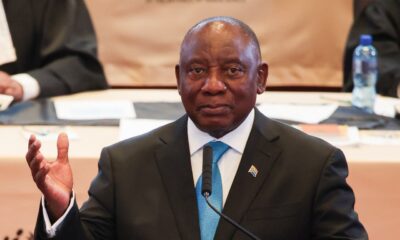
When President Cyril Ramaphosa took office on 15 February 2018, South Africa’s unemployment rate stood at 26.9%. It was already one of the country’s most pressing challenges. In his first State of the Nation Address the following day, Ramaphosa placed job creation at the centre of his administration’s mission.
A Jobs Summit was promised. Collaboration between government, business, and labour was emphasised. The message was clear: unemployment would be tackled head-on.
Eight years later, the rate sits at 31.4%. Even with the recent improvement, the figure is notably higher than when Ramaphosa stepped into office. For many South Africans, particularly young people and the long-term unemployed, the lived experience has been one of prolonged frustration.
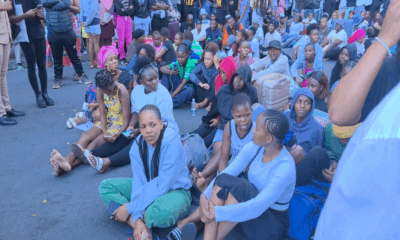
Youth unemployment remains disproportionately high, and many families now depend on a single income or social grants to survive. In townships and rural communities, joblessness is not an abstract statistic. It is a daily struggle.
What economists are saying
Market commentators describe the latest drop as incremental rather than transformative. The stabilisation in employment momentum is welcome, especially after a shaky first half of 2025. There are also signs that the more constructive tone from the South African Reserve Bank aligns with this modest improvement.
The Reserve Bank has revised its GDP growth outlook upward, with expectations of a gradual move towards 2% growth over the medium term. Employment gains support that trajectory. However, investment remains a weak spot, even if there are signs of gradual improvement.
In other words, the economy is not in free fall. But it is also not surging ahead.
Public mood: cautious optimism or growing impatience?
On social media, reactions have been mixed. Some users welcomed the 0.5 percentage point drop as a sign that the tide might be turning. Others pointed out that millions remain unemployed and that a slight quarterly dip does not erase years of stagnation.
There is also a broader political undercurrent. With unemployment higher now than in 2018, critics argue that the government has not delivered on its early promises. Supporters counter that global shocks, including the pandemic years and international economic pressures, have complicated the picture.
The truth likely sits somewhere in between. Structural challenges, from energy constraints to skills mismatches, continue to weigh on job creation. Fixing them requires more than short-term measures.

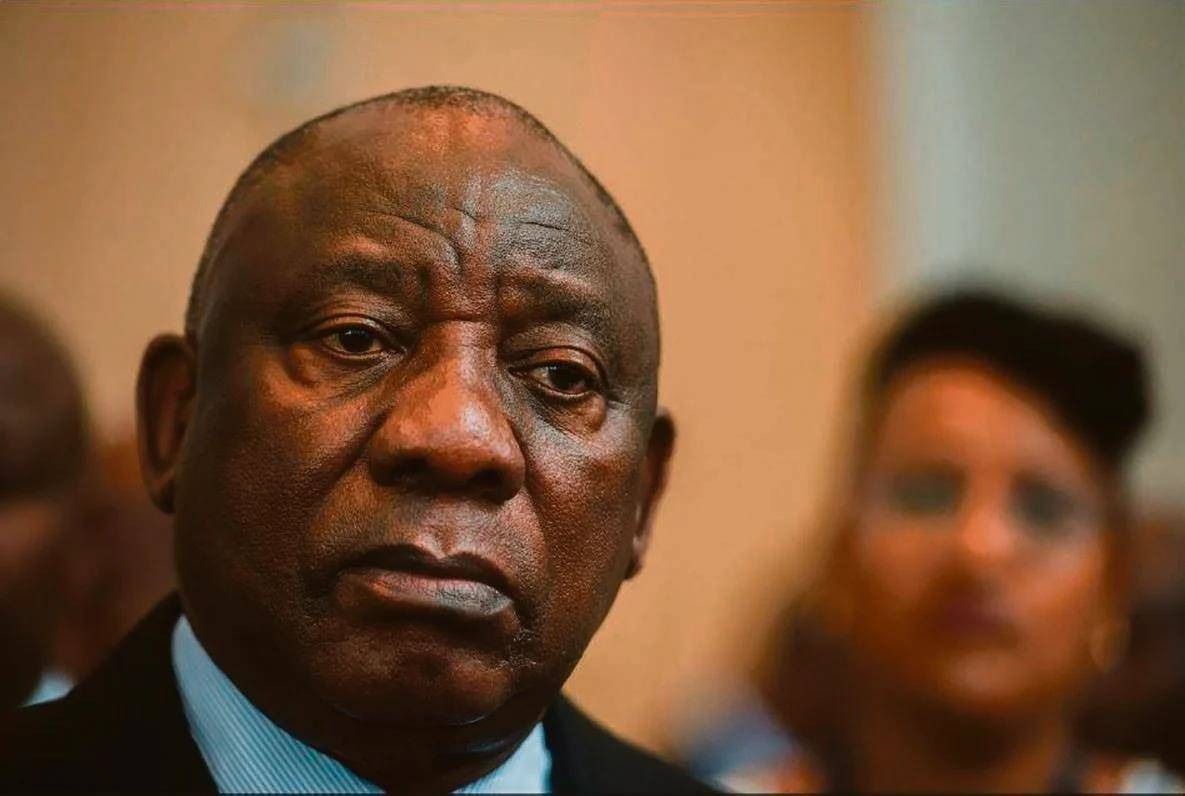
Image 1: Daily Investor
The road ahead
The latest numbers offer a sliver of hope, but they do not change the scale of the task. At 31.4%, unemployment remains one of South Africa’s defining economic and social issues.
The next chapter will hinge on sustained growth, stronger investment, and policies that translate into real jobs on the ground. For the millions still searching for work, incremental progress is not enough. They need momentum.
As the country moves deeper into 2026, the question is no longer whether unemployment has dipped by half a percentage point. It is whether South Africa can turn a fragile stabilisation into a genuine recovery.
Follow Joburg ETC on Facebook, Twitter, TikT
For more News in Johannesburg, visit joburgetc.com
Source: Daily Investor
Featured Image: News24