Business
South Africa’s VAT debt crisis is spiralling and SARS is done waiting
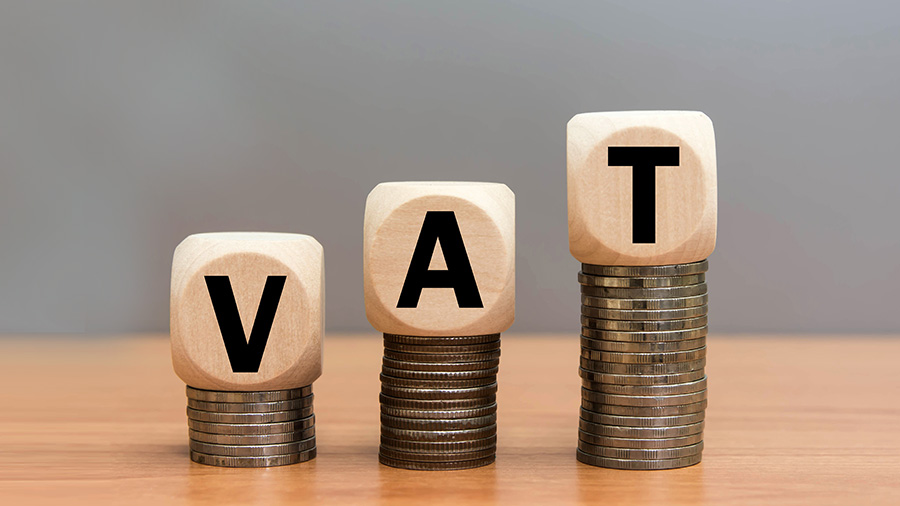
For years, VAT has quietly kept the country’s lights on. Every swipe at the till, every invoice issued, and every monthly return filed feeds into a tax stream that underpins the national budget. Now that same system is flashing red.
Fresh figures from SARS paint a worrying picture. Undisputed tax debt has ballooned to nearly R500 billion, with VAT sitting at the centre of the storm. Despite tough talk, new enforcement tools, and stronger collection efforts, the gap between what is owed and what is collected remains enormous.
Why VAT is the real problem
VAT is not a side hustle for the state. It is South Africa’s second biggest source of revenue, bringing in just under R458 billion in the last financial year. Only personal income tax beats it. When VAT compliance slips, the ripple effects hit everything from infrastructure spending to social grants.
There are roughly 900,000 registered VAT vendors across the country, yet only about half are actively submitting returns. That leaves a massive exposure point for SARS, especially in an economy where cash flow pressures tempt businesses to use VAT money as a survival buffer.
Tax experts warn this is a dangerous game. VAT is collected on behalf of the state. It was never meant to prop up struggling businesses.
SARS is collecting more, but it is still not enough
On paper, SARS is not failing. By December 2025, the revenue service had already collected R63 billion in cash from outstanding debts. It is even ahead of schedule in its drive to recover R100 billion between April 2025 and March 2026.
The problem is scale. Against a debt book of nearly R489 billion, these gains barely scratch the surface. There is also still a R20 billion hole in SARS’ broader revenue target for the current financial year. In plain terms, the pressure to close the gap is mounting fast.
The quiet shift that has business owners worried
What has really rattled accountants and entrepreneurs is the growing focus on personal liability. According to tax specialists, VAT makes up the largest portion of undisputed tax debt. SARS is no longer content to chase faceless companies.
Under existing tax law, individuals can be held personally responsible for a business’s tax failures. This does not only apply to financial directors or accountants. Anyone who exercised control over or was regularly involved in the company’s financial affairs can be on the hook.
That includes directors, shareholders, and even senior managers, provided negligence or fraud played a role in the unpaid taxes. Formal job titles do not offer protection. What matters is actual involvement.
Criminal charges are no longer a distant threat
This is where the tone hardens. SARS has the power to pursue criminal charges for non-compliance. Certain omissions can be treated as criminal offences, carrying fines or prison sentences of up to two years. In cases involving fraud, tax evasion, or illicit refunds, jail time can stretch to five years.
On social media and business forums, the reaction has been swift. Many small business owners say they feel squeezed from all sides, dealing with load shedding, weak demand, and rising costs while facing harsher tax enforcement. Others argue that stricter action is long overdue and that compliant businesses should not carry the burden of widespread tax dodging.
There is still a way out for struggling taxpayers
Despite the tough stance, SARS is not shutting the door on those who genuinely cannot pay. The tax system allows for relief in specific circumstances, including compromise agreements that can reduce a tax debt to a more manageable amount.
These arrangements are not automatic. Taxpayers must approach SARS correctly and show that their financial position justifies assistance. When done properly, a portion of the debt can be written off, and the rest settled over time.
Tax professionals stress that ignoring the problem is the worst option. Engagement, transparency, and compliance remain the safest route, even in an environment where margins are thin and patience is wearing out.
The bigger picture for South Africa
At its core, the VAT debt crisis reflects a broader tension in the economy. The state needs revenue to function. Businesses need breathing room to survive. Somewhere between those two realities lies a fragile balance.
What is clear is that SARS is done waiting. With nearly half a trillion rand outstanding, the era of soft enforcement appears to be over. For anyone running a business in South Africa, VAT is no longer just an admin task. It is a risk that can follow you home.
Follow Joburg ETC on Facebook, Twitter, TikT
For more News in Johannesburg, visit joburgetc.com
Source: Business Tech
Featured Image: ICIR Nigeria