Business
Why banning social media for South African kids may never work
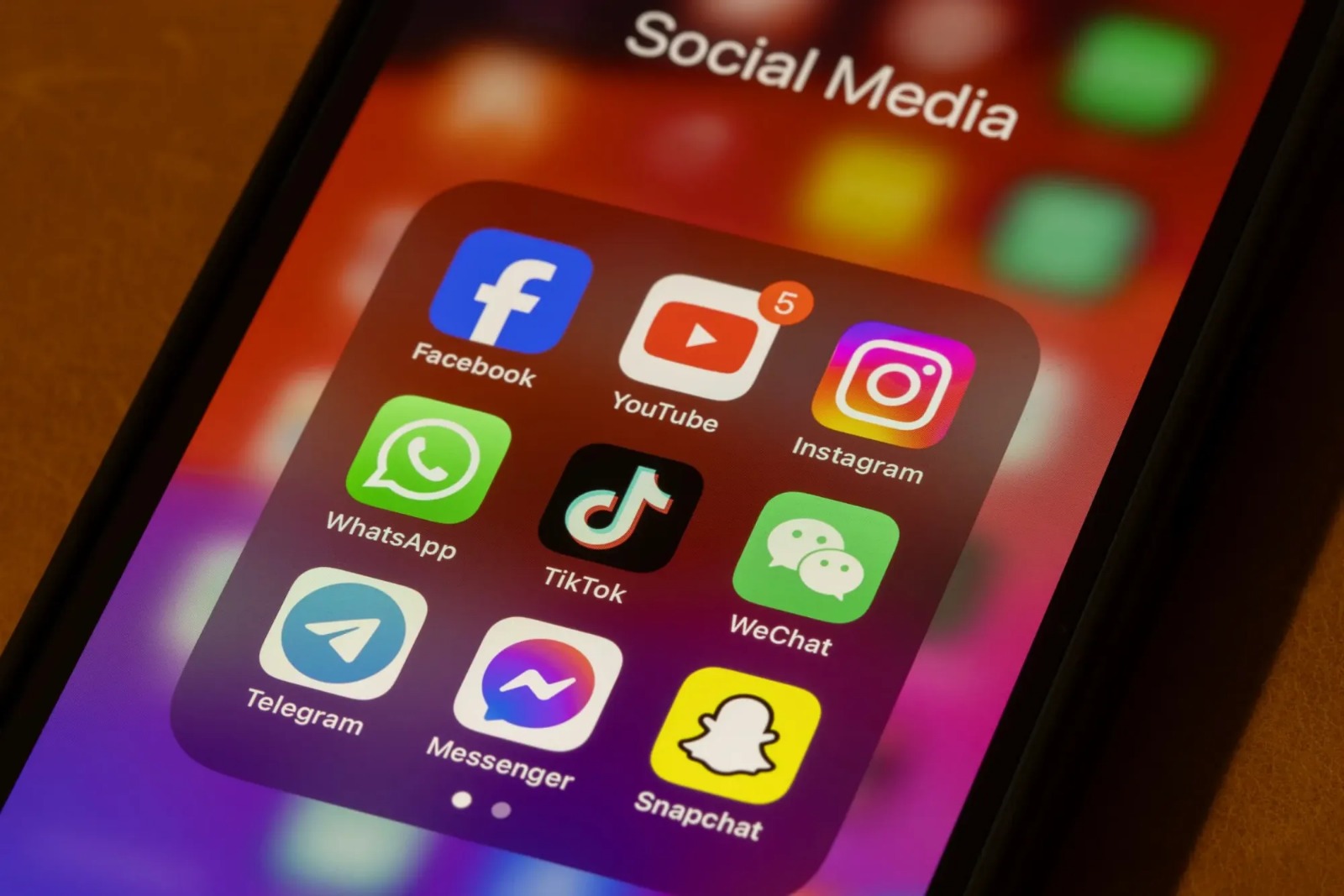
Scroll through any South African parent group, and the anxiety is obvious. Screens are everywhere. Kids are online earlier than ever. TikTok trends land in school corridors before adults even hear about them. Against this backdrop, the idea of banning social media for children has gained fresh momentum locally.
The debate reignited after moves in Australia and France to restrict social media access for minors. Now South Africans are asking the same question: should platforms like TikTok and Instagram be off-limits to children here too?
“It’s addictive, but it won’t be enforced”
Digital law expert Emma Sadleir, founder and CEO of Digital Law Company, believes age restrictions make sense in principle. She compares social media to other addictive activities already regulated in South Africa, like alcohol, cigarettes, and gambling.
Her concern is not whether children should be protected. It is whether South Africa has the power to make such rules stick.
In comments to MyBroadband, Sadleir said any local ban would likely be meaningless because most major social media companies do not have offices or registered entities in South Africa. Without a company on the ground, there is no one to fine and no practical way to enforce penalties.
Why enforcement is the real problem
Australia’s approach targets the platforms, not the children. If a child under the legal age gains access, the company faces a fine. That only works if the country has jurisdiction over the platform.
In South Africa, that leverage barely exists. With the exception of Meta Platforms, which owns Facebook and Instagram, most social media giants operate entirely offshore. According to Sadleir, South Africa’s only real option would be blocking non-compliant platforms altogether, a move that would spark major public and political backlash.
Without that “big stick,” as she describes it, an age ban would look tough on paper but achieve very little in practice.
Why social media hits young minds harder
Adults often shrug off social media harms as annoying or time-wasting. For children, Sadleir argues, the risks are far more serious. Endless feeds can expose young users to self-harm content, eating disorder material, and depression-themed posts long before they have the emotional tools to process it.
This concern echoes widely across South African social media. Parents, teachers, and mental health professionals regularly share worries about how algorithm-driven platforms shape self-image and behaviour among teens.
A recent legal win changes the conversation
The scepticism around enforcement is not theoretical. In July 2025, Sadleir and the Digital Law Company made legal history after taking on Meta over explicit content involving South African schoolchildren.
After urgent court action, Meta agreed to disclose subscriber information linked to accounts that posted illegal material involving minors. Judge Mudunwazi Makamu approved the settlement, forcing Meta to comply with South African court orders relating to content on WhatsApp, Instagram, and Facebook.
The case also resulted in Meta committing to a two-year direct hotline with the Digital Law Company to fast-track child protection cases. It was widely hailed as a landmark moment, proving that global tech companies can be compelled to act when enough legal pressure is applied.
So, will a ban ever happen here?
For now, the idea of banning TikTok and Instagram for South African children remains more aspirational than practical. Public support is growing, especially among parents, but the legal tools needed to enforce such a ban are still limited.
What the recent Meta ruling shows is that targeted legal action may be more effective than sweeping bans. Instead of blocking platforms outright, South Africa may see stronger court interventions, tighter cooperation with tech firms, and faster responses to harmful content involving minors.
The conversation is far from over. But if a ban does come, it will likely require a level of political courage and regulatory muscle that South Africa has rarely shown against global tech giants.
Follow Joburg ETC on Facebook, Twitter, TikT
For more News in Johannesburg, visit joburgetc.com
Source: MyBroadband
Featured Image: Outlier Media