Business
Toyota dealers quietly roll out free EV charging across South Africa
If you drive an electric car in South Africa, you probably know the feeling. You plan your route around charging points, scan apps before long trips, and hope the next plug is working when you get there.
So when dozens of new charging points suddenly popped up on the Autel charging app, local EV drivers started asking questions. Why were there so many chargers at Toyota dealerships? And why hadn’t anyone made a big announcement about it?
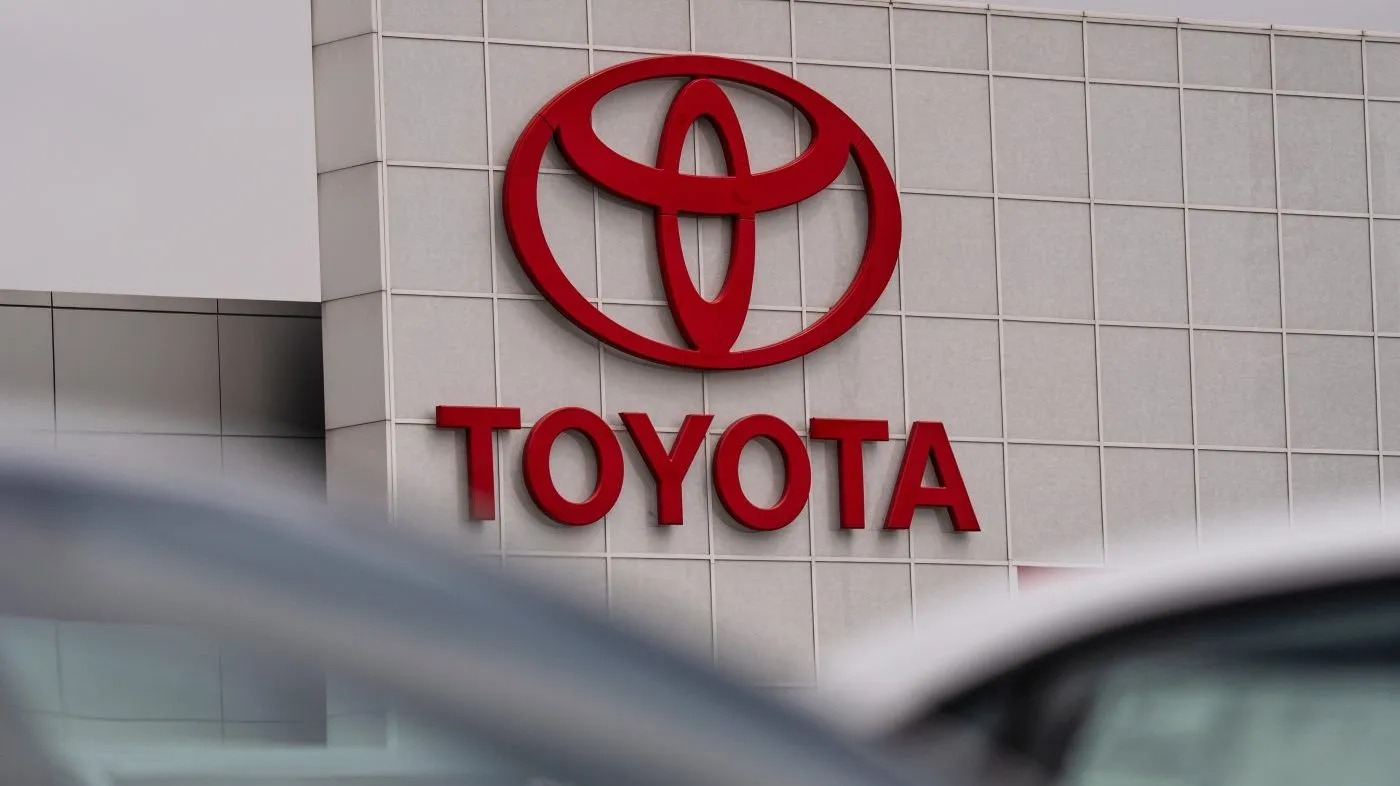
As it turns out, more than 100 free electric vehicle chargers have quietly been installed at Toyota dealerships across the country over the past year. No flashy campaign. No bold headlines. Just plugs going live.
A dealer-led move, not a corporate order
By the time the rollout was spotted, Autel’s app showed 119 chargers spread across 47 Toyota dealerships. Most are 22kW alternating current units. They are not the ultra-fast chargers you find at major highway hubs, but they are far from useless. An hour plugged into a 22kW unit can add over 100 kilometres of range to many EVs, which is more than enough for daily driving or a decent top-up while you grab a coffee.
Three dealerships have also installed 50kW direct current chargers for faster charging. Apart from one site in Caledon, every location has at least two chargers.
Interestingly, this was not a top-down strategy from Toyota South Africa. The company confirmed that the chargers were installed on the initiative of individual dealers. Toyota itself does not manage the network.
Still, the brand says it supports efforts that improve customer experience and promote long-term sustainability. Public chargers, it noted, can create more opportunities for engagement and increased dealership activity.
In simple terms, if EV drivers stop by to charge, they might also browse.
Not just in the big cities
What really caught the attention of the EV community was where many of these chargers are located.
South Africa’s charge point operators typically focus on metros and major routes. Yet Toyota dealers have installed chargers in smaller towns such as Barberton, Ceres, Groblersdal, Makhado, Mokopane, Phalaborwa, and Vredendal.
For drivers who travel beyond Johannesburg, Cape Town, or Durban, that matters. Rural charging infrastructure has lagged behind demand, and anxiety about getting stranded outside major hubs remains a real concern among EV owners.
This quieter, decentralised rollout may actually be one of the more practical contributions to the country’s charging landscape in recent months.
But Toyota does not even sell a fully electric car yet
That is where the story gets even more interesting.
Toyota does not currently offer a fully electric or plug-in model under its core brand in South Africa. Yet dealerships are installing EV chargers ahead of the company’s first fully electric launch.
The Toyota bZ4X crossover is scheduled to arrive locally in 2026. The second-generation RAV4 plug-in hybrid is also expected after earlier delays. Under the Lexus badge, customers can already buy the RX PHEV and NX PHEV, with the second-generation fully electric RZ set to be introduced to local media soon.
In other words, the groundwork is being laid.
Dealerships preparing for electrified products now could give Toyota a smoother transition when its first fully electric model officially hits showroom floors.
Are the chargers open to everyone?
That is the question many non-Toyota EV drivers are asking.
According to the Autel app, the chargers are free and can be activated by scanning a QR code at the station. Toyota says access is managed at the dealership level and in line with the relevant public charging network operators. Generally, chargers listed on public networks are accessible to all compatible EVs, regardless of brand.
Autel did not provide additional clarification by the time of publication.
For comparison, BMW, currently the top-selling EV brand in South Africa, generally allows drivers of any EV brand to use its dealership chargers, many of which are also free. However, some recently upgraded BMW charging points are restricted to dealership customers.
So while access at Toyota sites may vary slightly from branch to branch, the broader indication is that these chargers are not limited to Toyota vehicles alone.
A quiet shift in the market
There is something symbolic about this rollout.
South Africa’s EV market is still small compared to Europe or China, but it is growing steadily. Infrastructure remains one of the biggest barriers to wider adoption. When established dealership networks start installing chargers, even without loud marketing campaigns, it signals that the industry is preparing for a more electric future.
What makes this story compelling is not just the number of charges but the fact that it happened quietly. No grand unveiling. Just a growing map of plugs across the country.
For South African EV drivers, especially those travelling beyond the major metros, that quiet expansion could make a very loud difference.
Follow Joburg ETC on Facebook, Twitter, TikT
For more News in Johannesburg, visit joburgetc.com
Source: MyBroadband
Featured Image: NewsNation