Business
Why South Africa’s traffic lights are being replaced by stop signs
When broken robots become the new normal
If you drive regularly in Gauteng, you have probably noticed it already. An intersection that once had working traffic lights suddenly turns into a stop street overnight. No warning. No timeline. Just a new sign and a lot more hooting.
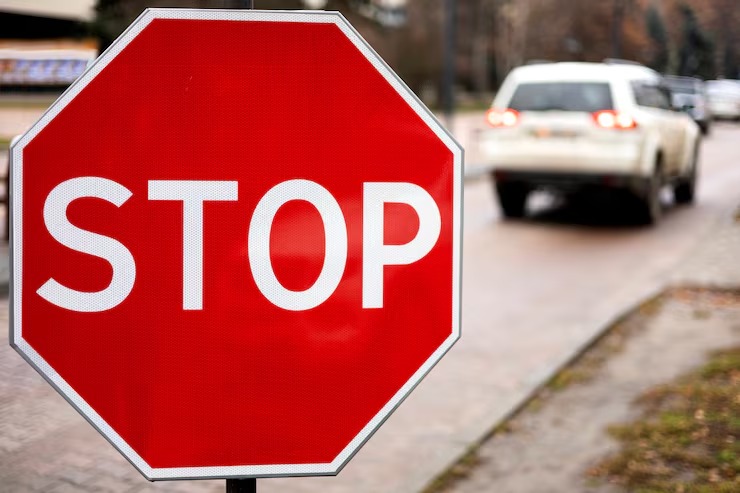
Across several South African metros, traffic lights are being removed altogether and replaced with stop signs. It is not a traffic experiment or a redesign of city roads. It is a response to vandalism and cable theft that has become so relentless that fixing traffic lights no longer makes financial sense.
In Centurion this week, Freedom Front Plus councillor Wesley Jacobs confirmed that traffic lights at the three-way intersection of Botha and Hoffmeyer streets were officially decommissioned. After repeated damage and theft, the city made the call to downgrade the intersection to a permanent stop street.
According to Jacobs, the cost of constantly repairing vandalised infrastructure has become unsustainable. Residents were urged to obey the Road Traffic Act and treat the intersection as a formal stop, even if frustration levels are rising.
This is not just a Centurion problem
What is happening in Centurion is part of a much bigger national pattern.
Ekurhuleni has already stopped repairing traffic lights at certain high-risk intersections. In one financial year alone, the metro spent around R120 million fixing damage caused by theft, vandalism, and vehicle accidents. Eventually, the city decided to de-warrant some traffic signals entirely and replace them with stop signs instead.
Officials there have acknowledged that while stop signs are sometimes installed as a temporary solution, some intersections may never see traffic lights again.
Johannesburg has faced similar challenges. The Johannesburg Roads Agency reported that more than 500 intersections were vandalised over a four-year period. One intersection was damaged 14 times. Each replacement costs roughly R300,000, a figure that quickly becomes impossible to justify when repairs are repeatedly undone within weeks.
Tshwane has also flagged ongoing hotspots where controllers and transformers are stolen so frequently that traffic lights stand dead for months. In some cases, these intersections effectively operate as four-way stops without signage or enforcement, creating daily chaos for motorists.
Why stop signs are winning the cost battle
From a city budget perspective, stop signs are brutally simple. They are cheap to install, require no electricity, and hold no resale value for criminals. Traffic lights, on the other hand, contain copper, cables, and components that are easy targets for theft.
Municipalities are increasingly weighing the cost-benefit of installing permanent stop signs, particularly at rural or remote intersections where round-the-clock security is unrealistic.
While no city is celebrating the shift, officials have made it clear that the current levels of vandalism leave them with few practical alternatives.
The knock-on effect for drivers and residents
For motorists, the consequences are immediate. Stop signs slow traffic flow, increase congestion, and demand higher levels of driver cooperation. In peak hours, intersections that once moved smoothly can become bottlenecks.
Residents have also raised safety concerns. Some community members say stop streets make intersections more vulnerable to smash-and-grab crimes, especially when cars are forced to halt repeatedly. Others worry about reckless driving when road users ignore right-of-way rules or grow impatient.
On social media, the reaction has been mixed. Many South Africans express anger that vandalism continues to dictate daily life, while others see the stop signs as a necessary compromise in a system under strain.
A small sign of a bigger infrastructure crisis
The replacement of traffic lights with stop signs may seem like a minor change, but it reflects a deeper problem facing cities across the country. Public infrastructure is being steadily eroded by crime, and the solutions are becoming more basic by necessity.
For now, motorists are being asked to adapt, stay alert, and follow the rules of the road. Whether traffic lights will return to these intersections remains uncertain, but one thing is clear. In many parts of South Africa, the humble stop sign is becoming the last line of defence.
Follow Joburg ETC on Facebook, Twitter, TikT
For more News in Johannesburg, visit joburgetc.com
Source: Business Tech
Featured Image: Freepik