Business
Uber and Bolt Drivers Urged to Register by March 11 Deadline
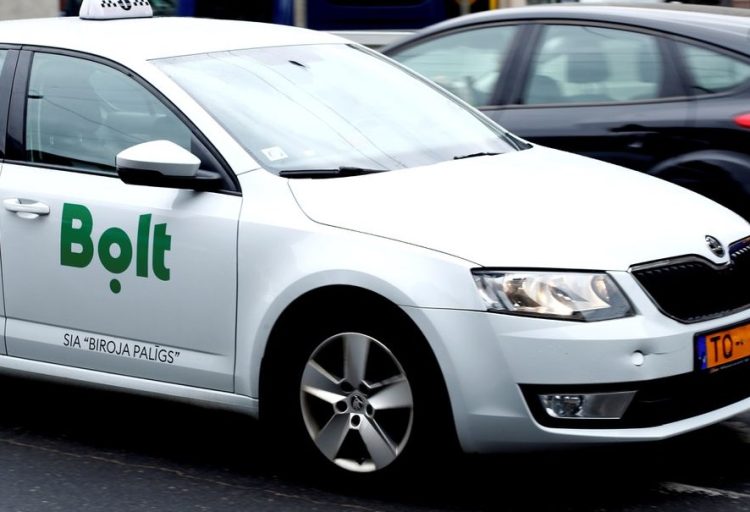
Uber and Bolt Drivers Face Countdown: March 11 Deadline for New Licences Looms
Government cracks down on e-hailing compliance as R5,000 operating licences come into effect
Time is running out for South Africa’s Uber and Bolt drivers. By Wednesday, 11 March 2026, all e-hailing operators must hold a new, officially sanctioned operating licence or risk hefty fines and legal trouble, a move that could generate hundreds of millions in revenue for the Department of Transport (DOT).
New Rules, Big Responsibilities
Back in September 2025, the government gazetted sweeping amendments to the National Land Transport Act (NLTA), aiming to bring more order to the sometimes chaotic e-hailing industry. Two changes have caused the most buzz:
-
Mandatory vehicle branding – drivers must display official e-hailing decals. The move drew mixed reactions from drivers and riders alike, with some claiming extra cost and aesthetics concerns.
-
New e-hailing operating licences – every Uber and Bolt driver must apply for a licence costing R5,000, valid for seven years (roughly R715 per year).
“The onus is on drivers and companies alike,” says the DOT. “Drivers without licences face personal censure, while companies can be fined up to R100,000 or even face jail time, for non-compliance. App developers who allow unlicensed drivers to operate risk fines or imprisonment too.”
With over 90,000 e-hailing drivers nationwide, compliance could bring roughly R450 million into government coffers, according to 2024 estimates.
Slow Uptake Sparks Concern
Despite the clear deadline, uptake has been sluggish. The National E-Hailing Federation of South Africa (NEFSA) has remained largely quiet on the matter, leaving many drivers unsure about the registration process.
Minister Barbara Creecy has expressed concern over the “snail’s pace” of licence applications. She urges drivers not to leave it to the last minute, warning that failure to comply will have serious legal consequences.
Applications are processed through the National Public Transport Regulator (NPTR):
-
Helpdesk: 012 309 3227
-
Application processing: 012 309 3982
-
Monitoring: 012 309 3063
Safety, Compliance, and Conflict
The amendments follow years of violent clashes between e-hailing drivers and minibus taxi operators, which have occasionally ended in tragedy notably at Maponya Mall in Soweto earlier this year. By enforcing official licences and app registration, the government aims to:
-
Increase accountability among e-hailing drivers
-
Reduce conflict with traditional taxi operators
-
Ensure safer and regulated operations for commuters
Some drivers, however, question whether the reforms are truly about safety or simply another revenue-raising scheme. Social media has been buzzing with debates, with opinions split between those who welcome formal regulation and those frustrated by the added costs and bureaucracy.
With just over three months to go, the message from Transport Minister Creecy is clear:
“Do not wait until the last minute. Ensure your application is complete, pay the fees, and stay on the right side of the law.”
For drivers, it’s a balancing act between cost, compliance, and safety. For the DOT, it’s a chance to finally enforce order and bring in substantial revenue. Whether this will reduce e-hailing conflict or just create a rush of last-minute licence applications remains to be seen.
{Source: The South African}
Follow Joburg ETC on Facebook, Twitter , TikTok and Instagram
For more News in Johannesburg, visit joburgetc.com