Culture Craze
Why Mark Zuckerberg remains the internet’s favourite conspiracy figure
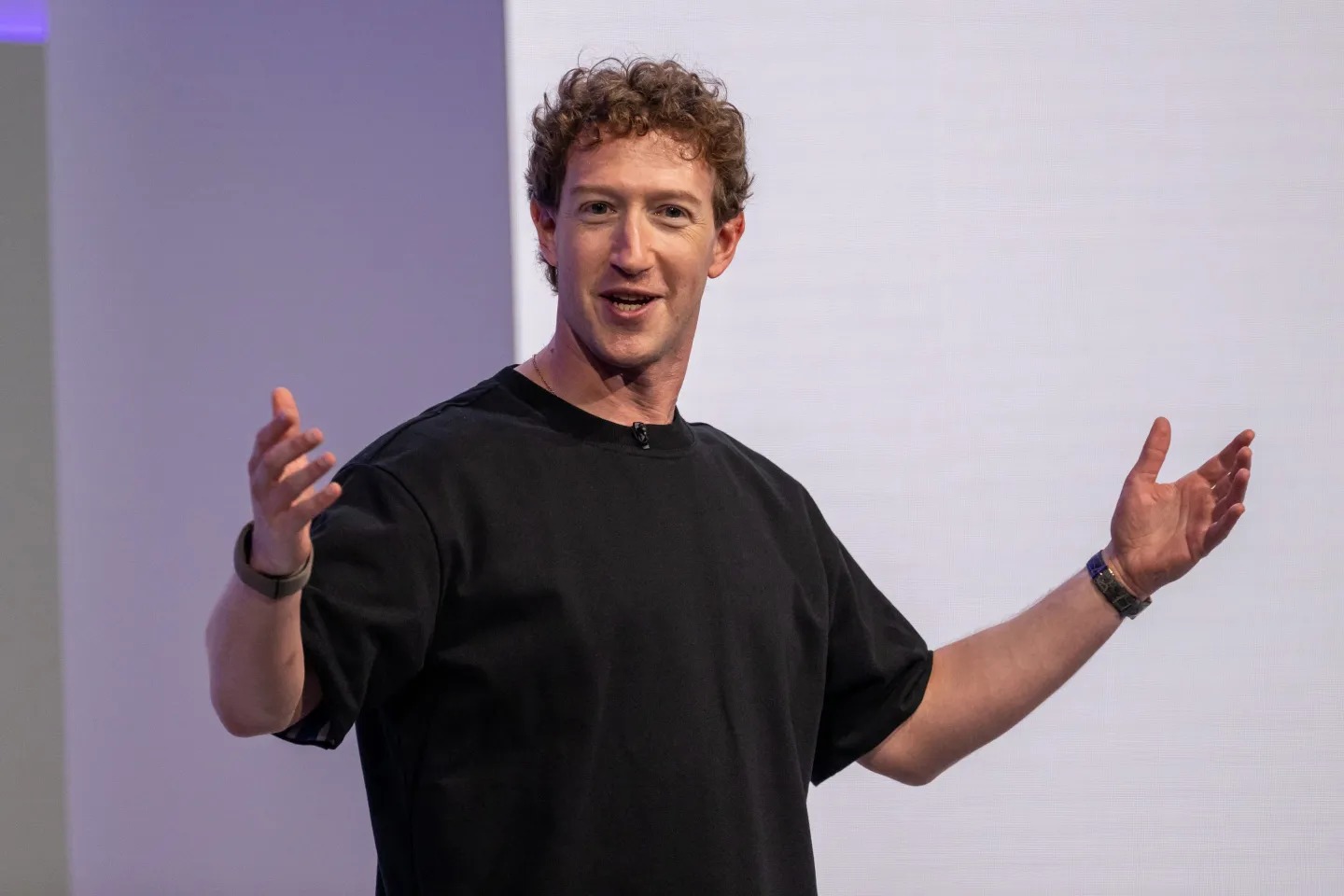
If you have ever watched Mark Zuckerberg testify in court or deliver a carefully scripted keynote and thought, “Does this man blink?” you are in very crowded company.
The CEO of Meta has become one of the most meme-ed and conspiracy-theorised figures on the internet. And in 2026, the rumours are not fading. If anything, they are getting stranger.
The reptilian robot jokes that refuse to die
Let us start with the most bizarre theory of all: that Zuckerberg is not entirely human.
For years, online forums and Reddit threads have joked that he is a reptilian AI hybrid. The running gag is that he does not blink properly, moves too mechanically, and somehow feels less like a person and more like an algorithm in human form.
It is clearly satire for most people. But the fact that it has endured says something about how distant and corporate big tech leaders can seem. In South Africa, where social media dominates everything from politics to pop culture, those jokes travel fast. WhatsApp groups light up. TikTok edits rack up views. The meme machine never sleeps.
The humour might be exaggerated, yet it reflects a deeper unease about how much influence one tech executive can wield over our daily lives.
The mind control narrative
Another popular claim paints Meta not as a social media company, but as a giant psychological experiment.
According to this theory, platforms such as Instagram and Facebook are designed to keep users scrolling for as long as possible, feeding the need for validation and comparison.
There is no proof of a secret brainwashing plot. However, internal documents shown in court have referenced engagement features aimed at increasing time spent on apps. When numbers like average daily minutes matter to shareholders, critics argue that it raises uncomfortable questions about user well-being.
For many parents, including here in Joburg, that debate is not abstract. It is about teenagers glued to screens at 2am, chasing likes instead of sleep.
Big tech domination fears
Some theories are less outlandish and more rooted in business strategy. When Meta acquired Instagram and WhatsApp, critics argued it was about eliminating competition and consolidating power.
Courtroom emails have revealed that Zuckerberg once considered spinning Instagram off as a separate company to avoid antitrust scrutiny. That revelation only added fuel to the perception that Meta has been navigating regulatory pressure behind closed doors for years.
In a digital economy where one company can shape advertising, communication, and even news distribution, those concerns resonate globally.
The bunker story
Then there is the so-called bunker theory.
Online speculation suggests Zuckerberg has built a high-tech underground facility stocked for worst-case scenarios. Land purchases in Hawaii and Wyoming have intensified that narrative, with the internet imagining secret corridors and reinforced walls where algorithms are controlled during an apocalypse.
There is no verified evidence that he is plotting world domination from an underground lair. But the imagery is irresistible to meme culture. In an age obsessed with billionaires building rockets and survival compounds, it fits neatly into the public imagination.
From memes to the courtroom
While some theories are clearly tongue-in-cheek, others connect to serious legal scrutiny.
Meta is currently involved in a major trial in Los Angeles, where Zuckerberg has testified under oath about whether Instagram and Facebook were designed in ways that could harm young users. Plaintiffs allege the platforms were created to be addictive and contributed to anxiety and depression among teenagers.
Zuckerberg has denied that Meta intentionally targets children under 13 and has stated that the company is committed to user safety. During the trial, jurors were shown internal documents relating to engagement metrics and age limits, which he described as “gut checks” rather than strict targets.
Commentators have described the case as a potential turning point for the tech industry, comparing it to historic accountability moments faced by other powerful sectors.
Why the rumours stick
So why does Zuckerberg, more than many other executives, attract such intense conspiracy culture?
Part of it is his public persona. Part of it is the scale of Meta’s reach. And part of it is the genuine discomfort people feel about how deeply social media shapes modern life.
In South Africa, where Instagram businesses thrive, Facebook groups organise communities and WhatsApp chains carry everything from family gossip to breaking news, Meta is not just an app. It is infrastructure.
When something feels that powerful, people search for explanations. Sometimes those explanations come in the form of serious policy debates. Other times, they arrive dressed as lizard jokes.
Either way, the conversation is not going away any time soon.
Also read: Obama’s alien life comment triggers Trump backlash and viral storm
Follow Joburg ETC on Facebook, Twitter, TikT
For more News in Johannesburg, visit joburgetc.com
Source: IOL
Featured Image: Fortune