Culture Craze
Matthew McConaughey takes early action to protect his voice and image from AI
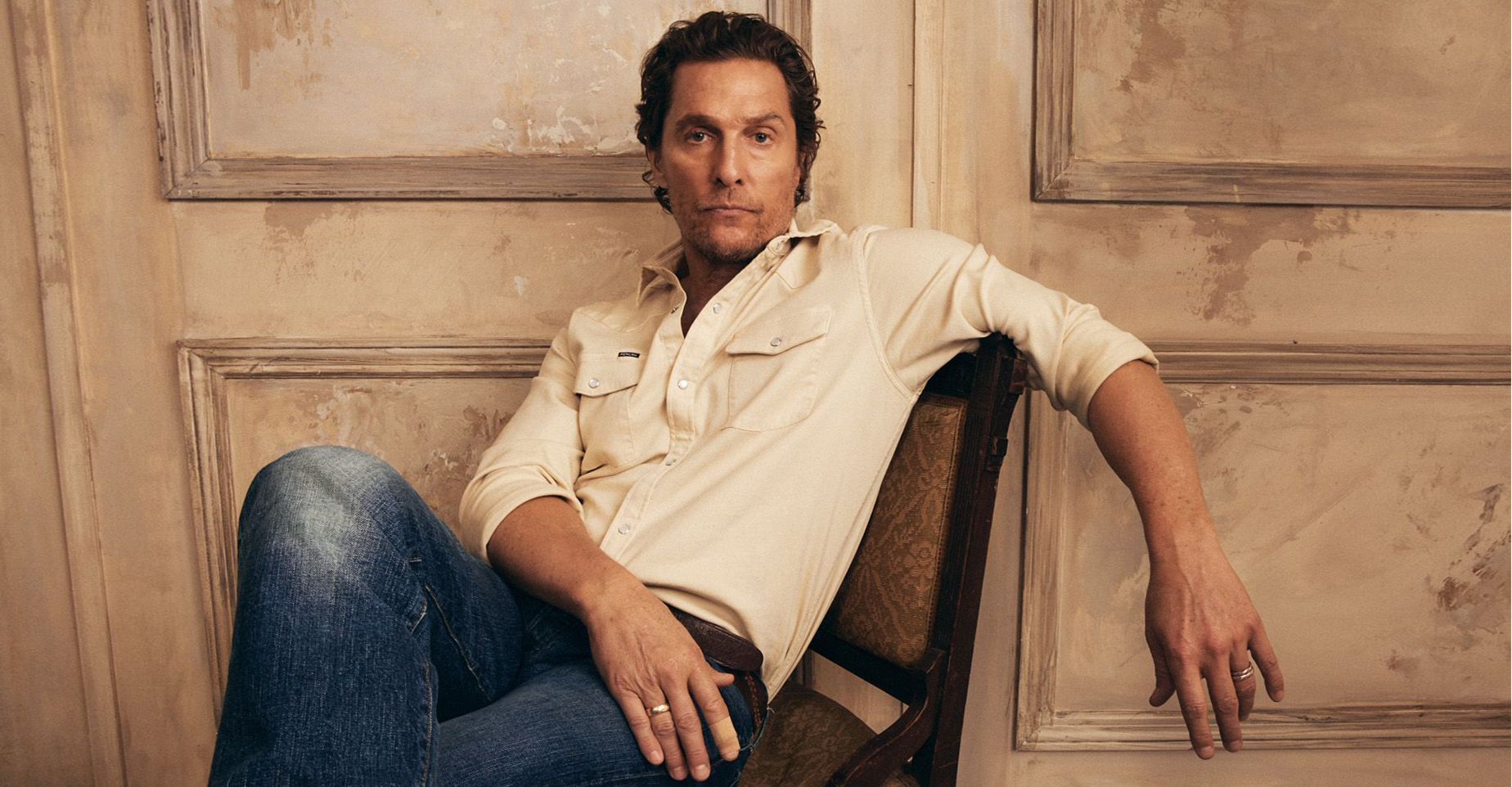
Matthew McConaughey draws a line in the sand on AI
Matthew McConaughey has always been a step ahead of the curve, whether it is choosing unconventional roles or building a life philosophy around staying true to yourself. Now, the Oscar-winning actor is applying that same mindset to the fast-moving world of artificial intelligence.
McConaughey has officially filed recordings of his image and voice with the United States patent authorities in a move designed to stop unauthorised AI use. The filings were made through the commercial arm of the just keep livin Foundation, the non-profit organisation he founded with his wife, Camila.
In simple terms, it is a way of saying this face and this voice are not free for the taking.
Why this matters right now
Since generative AI tools exploded into public use, artists around the world have raised concerns about how easily their likeness can be copied, altered, and monetised without consent. From deepfake videos to synthetic voices used in adverts, the technology has raced ahead of the law.
While several US states have introduced legislation aimed at protecting consumers from harmful AI and deepfakes, most of these laws focus on malicious or commercial misuse. Only a handful offer direct protection for artists themselves. Tennessee’s ELVIS Act, passed in 2024, stands out as one of the few that specifically targets AI-driven impersonation and cloning of performers.
For many creatives, the legal landscape still feels patchy and reactive.
A different kind of Hollywood response
What sets McConaughey apart is that he is not waiting for a scandal to unfold. By filing his image and voice now, he is taking early control of how his identity can be used in future AI systems.
This is not an anti-technology stance. In fact, McConaughey has invested in ElevenLabs, a company specialising in AI voice modelling. With his permission, the startup has already created an AI audio version of his voice. The difference is consent and control.
His legal representative, Kevin Yorn, has explained that the goal is to ensure artists receive the same protections as their businesses and are able to share in the value created when their voice or likeness is used through new technology.
Hollywood has seen this before
McConaughey is not the first star to push back. In 2023, Scarlett Johansson took legal action against an image-generating app that created an AI avatar resembling her for advertising purposes without her consent. That case sent a clear signal that actors are willing to defend their digital identities.
Still, most responses have been reactive. McConaughey’s move is notable because it flips the script. It is preventative rather than defensive.
Public reaction and the bigger picture
Online reaction has been largely supportive, especially among creatives who see this as a blueprint for how artists can coexist with AI without being exploited by it. Many commentators have pointed out that this approach could become standard practice for high-profile figures as AI tools become more accessible.
Beyond Hollywood, the implications are far-reaching. If voices and faces can be protected like intellectual property, it could reshape how AI companies, advertisers, and content creators operate.
For McConaughey, the message is clear. Technology can move forward, but not at the expense of personal identity. In an age where anyone can be cloned with a few clicks, that stance feels both timely and necessary.
Follow Joburg ETC on Facebook, Twitter, TikT
For more News in Johannesburg, visit joburgetc.com
Source: IOL
Featured Image: The Talks